
Using the degree-day model to stay ahead of Etiella
Monday 15 September 2025 PestFacts

The lucerne seed web moth, commonly known as ‘etiella’, is a serious pest of lentils and lucerne across Australia. Although they only appear irregularly, they can cause significant crop damage to lentils, lucerne, and sometimes other legumes like lupins, field peas, medics, and clovers.
There are monitoring tools that help track moth activity and detect larvae. For example, you could use:
- a sweep-net, to monitor larval activity. Check seedpods visually for the presence of larvae. To accurately assess activity, conduct a minimum of 3 groups of 20 sweeps randomly across the paddock.
- the SARDI Etiella degree-day model, which predicts the timing of initial moth flight activity in spring, based on local daily maximum and minimum temperatures starting from 21 June.
As these moths are strongly attracted to light, check for resting adults in the mornings around outdoor lights.
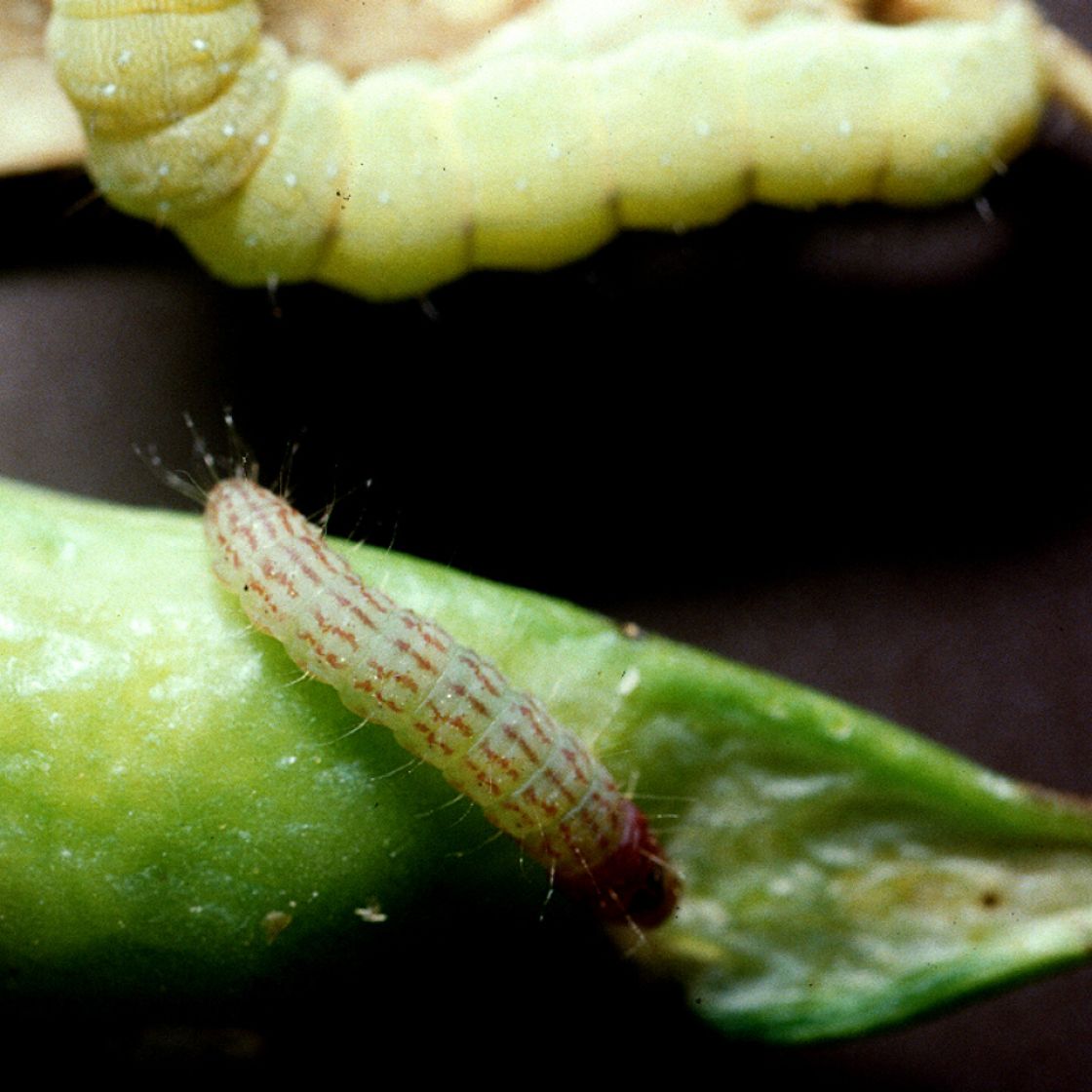
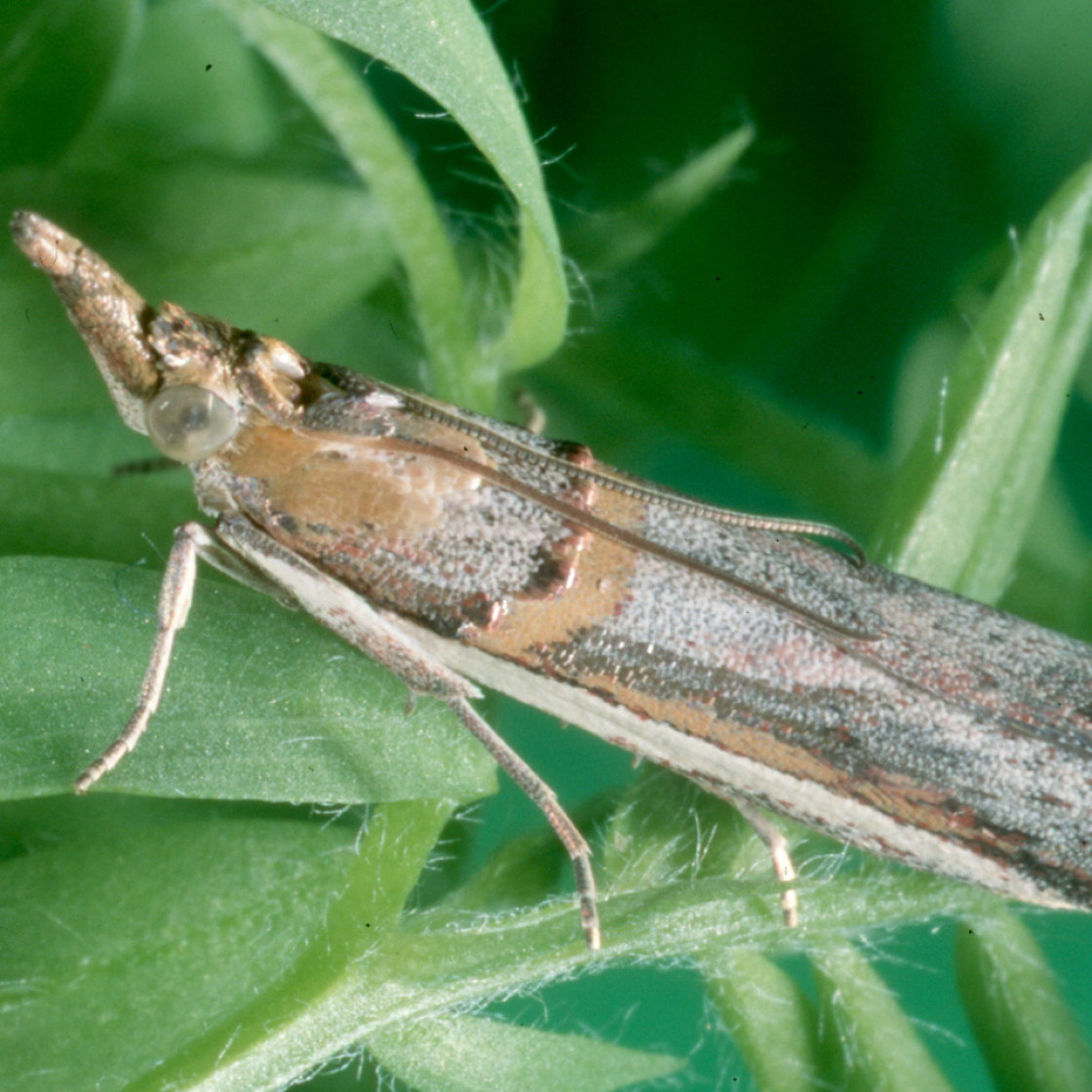
Crop monitoring should begin before the cumulative total of degree-days (base 10°C) first reaches 351 (about 10% into peak flights). Ideally, start monitoring 1 to 2 weeks earlier than this figure (around 300). As a guide, daily maximum temperatures of 25°C would see cumulative degree-days increase from 300 to 351 in around 7 days.
The date when the model reaches 351 degree-day accumulations corresponds to the predicted date of 10% onset of peak moth flight activity. We recommend starting in-crop monitoring of lentil crops around 7 to 10 days earlier than this date, at around 300-degree day accumulations.
Current model predictions for degree-day accumulations (to 8th September) show that Port Pirie has already exceeded 300 degree-days, while most other regions are approaching 300 degree-days.
- Port Pirie: 324
- Kadina: 265
- Cummins: 257
- Cleve: 256
- Keith: 235
- Horsham (Vic): 189
Start monitoring now in flowering and podding lentils. See GRDC's GrowNotes on pest management in lentils for more information on controlling etiella in your crop.
Always apply insecticides according to label and APVMA permit instructions. Consider the impact on beneficial insects before making spray decisions.
Report to PestFacts
The PestFacts SA team always wants to know what invertebrates you find in your crops and pastures, whether it's a pest, beneficial, or unknown species. We even want to know about the usual pests.
Please send your reports or identification requests via the PestFacts map.
Alternatively, please contact:
Maryam Ehsangar
Phone: 0448 010 339
Email: maryam.ehsangar@sa.gov.au
Maarten van Helden:
Phone: 0481 544 429
Email: maarten.vanhelden@sa.gov.au