

Reducing sheep methane emissions one sip at a time
Project background
Water is essential to sheep survival. On average, sheep drink 3 – 14 litres of water a day. It helps promote their healthy growth, digestion and immune functionality. Adequate water intake allows sheep to maintain their ideal body temperature, which is crucial in the warmer months. Without adequate water intake, it makes it very challenging for ewes, mature female sheep, to reproduce and create milk for their young.
In Australia, sheep and cattle produce 60-70% of agricultural methane emissions, with the majority of these greenhouse gases being derived from their digestive processes (rumen fermentation).
Researchers at the South Australian Research and Development Institute (SARDI) are adapting the water quality of sheep’s drinking water by testing two different methods of water delivery combined with a range of methane-reducing additives including Agolin Ruminant®, a plant-based feed additive; nitrate, which can help kill harmful stomach bacteria and Bovaer, an innovative cattle feed supplement.
Objectives
- Monitor sheep feeder visitations through Radio Frequency Identification (RFID) ear tags and their estimated consumption
- Review individual methane concentrations
- Develop a long-term assessment of sheep production traits including fleece weights; live weight changes; conception; marking and weaning rates and lamb growth to weaning
- Develop a long-term assessment of animal health and blood chemistry and rumen sampling for volatile fatty acid profiles.
Research approach
This national collaborative project will be delivered via two methods: loose lick delivery and water delivery.
Loose lick delivery
Loose lick delivery, which includes a standard loose lick appropriate for the Barossa region being formulated and sheep feeder visitations being monitored through Radio Frequency Identification (RFID) ear tags, began in January 2026.
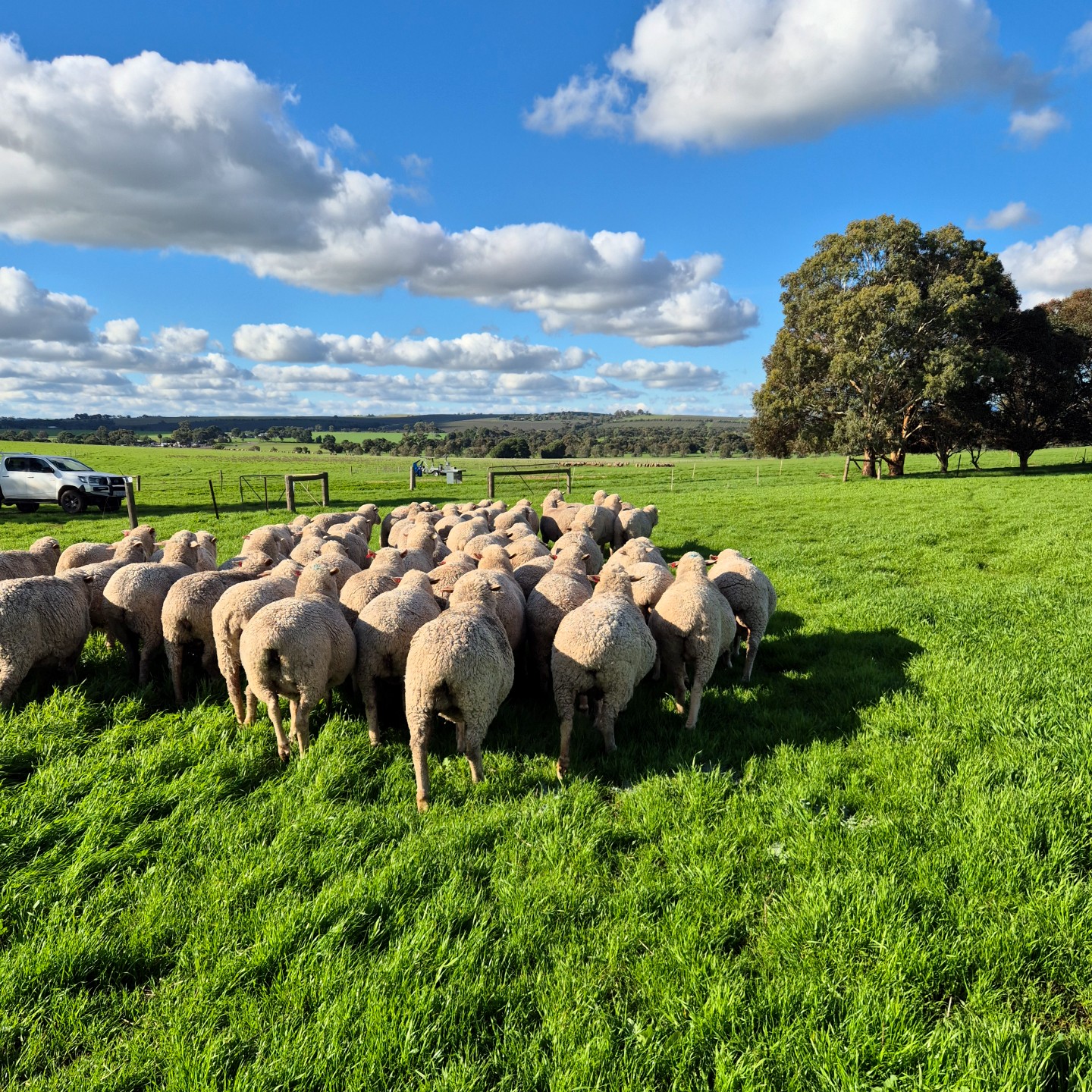
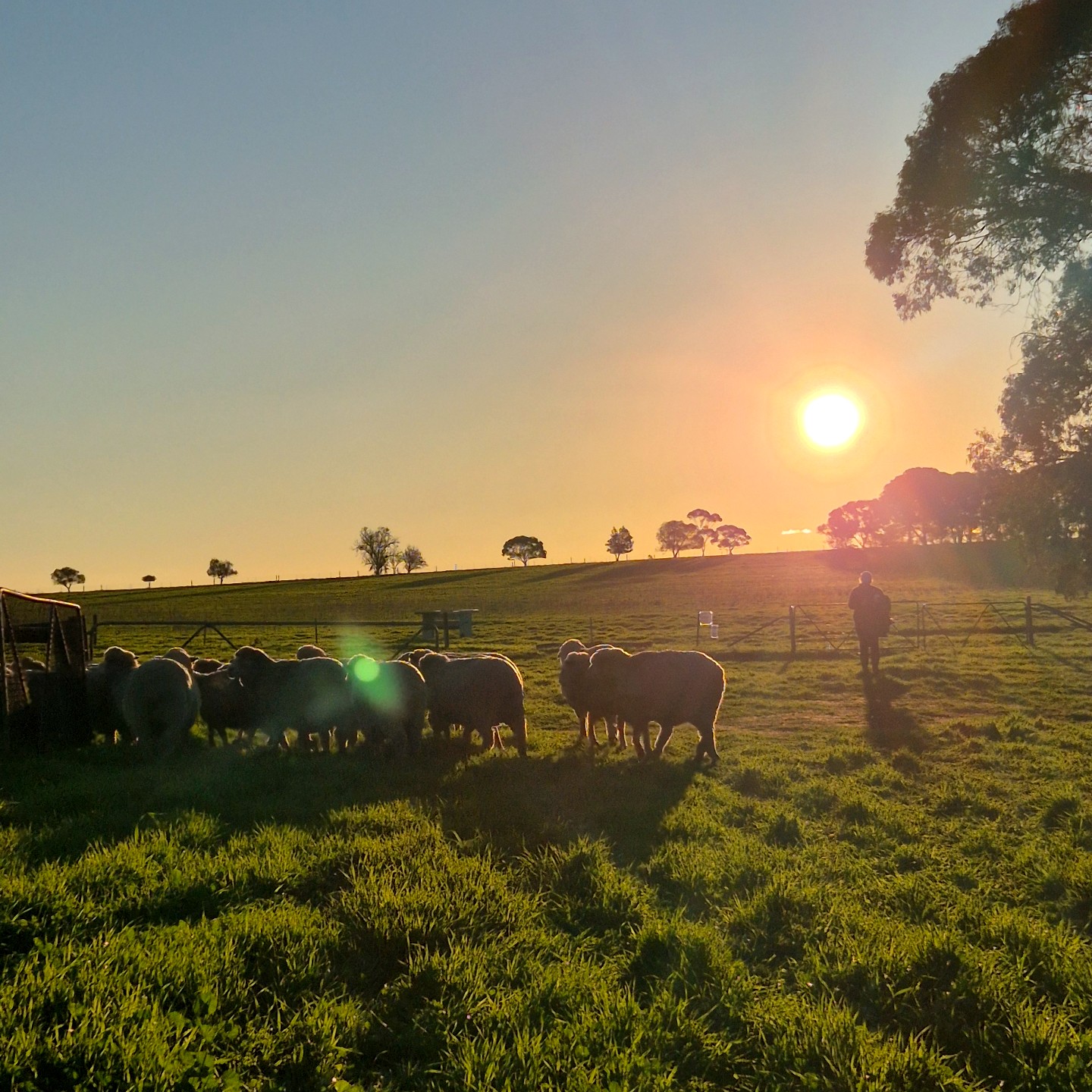
The project, run over 12 months, involves dividing 235 mature Merino ewes (female sheep) into four loose lick treatment groups. One treatment group acts as the control (n = 59), while the other three groups will be given the following methane-reducing additives through loose lick delivery: Agolin Ruminant® (n = 59), nitrate (n = 59) and Agolin Ruminant® + Nitrate (n = 58).
Water delivery
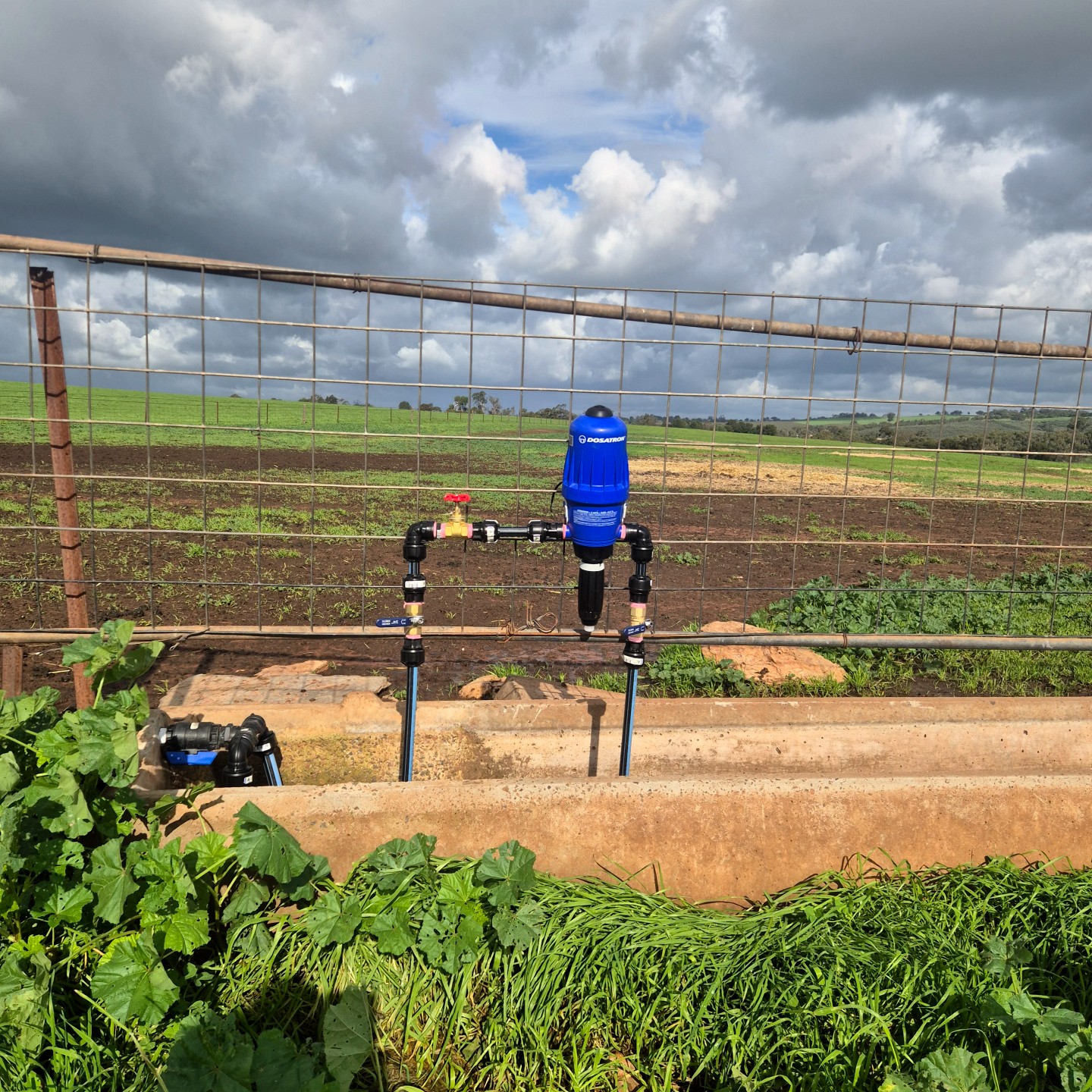
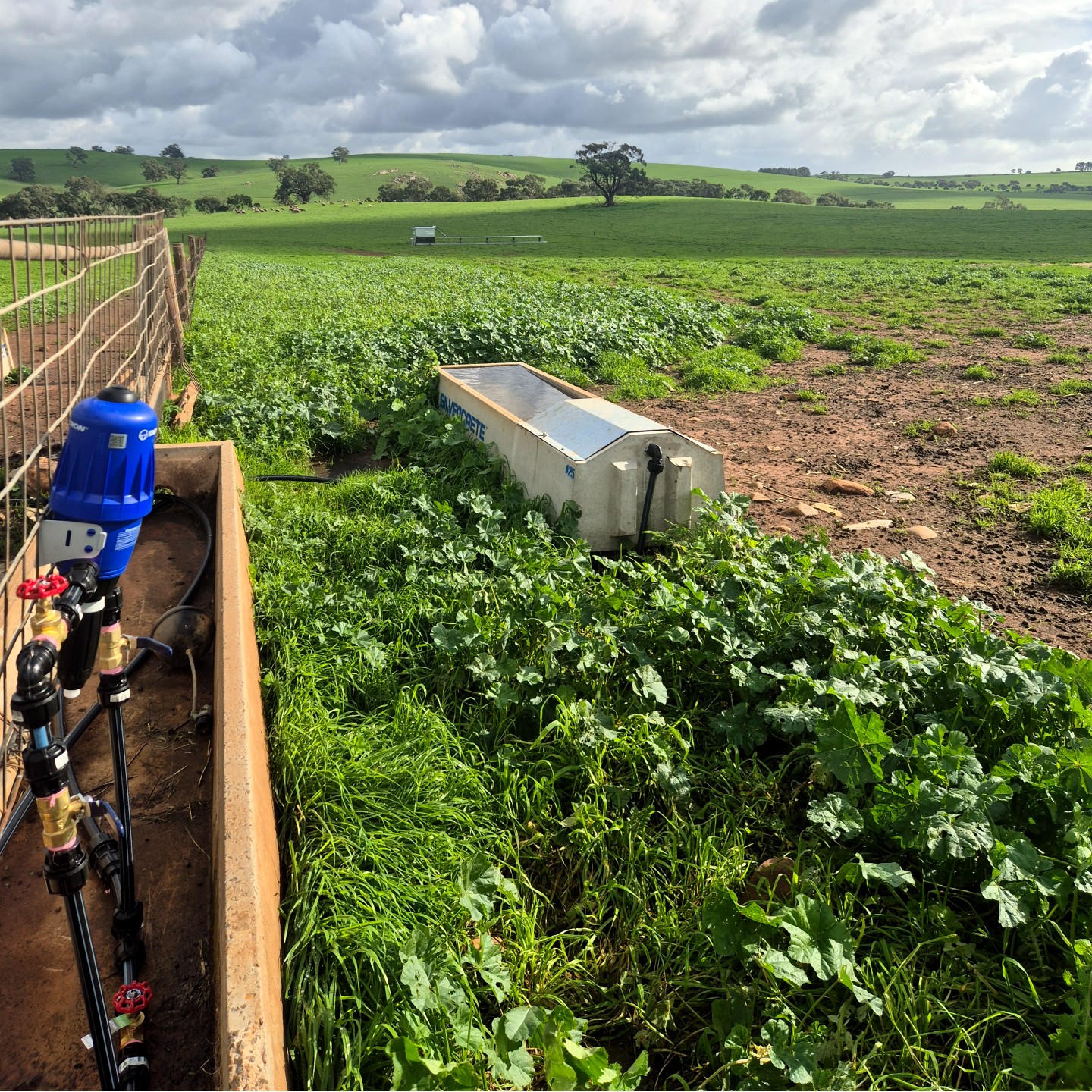
Water delivery, which will be deployed through a precise Dosatron water dosing system, will inject water-soluble methane-reducing additives compounds, at a dosing percentage of 0.004%, directly into the sheep water trough. The water troughs are fitted with RFID ear tag readers and water flow rate metres to monitor sheep feed visitations.
The project, run over 12 months, started in June 2026 and involves dividing 251 mature Merino ewes (female sheep) into four treatment groups. One treatment group acts as the control (n = 63), while the other three groups will be given the following commercially available, water-soluble methane-reducing additives: Agolin Ruminant® (n = 63), Bovaer (n = 63) and Agolin Ruminant® + Bovaer (n = 62).
Expected outcomes
Loose lick delivery
To date, 98% of all animals have accessed the loose lick feeders in the Agolin + Nitrate group (57/58), Nitrate (58/59) and control (58/59) groups. 100% of animals in the Agolin (59/59) treatment group have accessed the loose lick.
Preliminary data show no difference between CH4 intensity (g/kg LW) between Control and Agolin treatment groups (P>0.05). Data presented is for 222 measures of CH4 across 11 of 59 ewes in the Agolin treatment, and 168 measures of CH4 across 7 of 59 ewes in the Control.
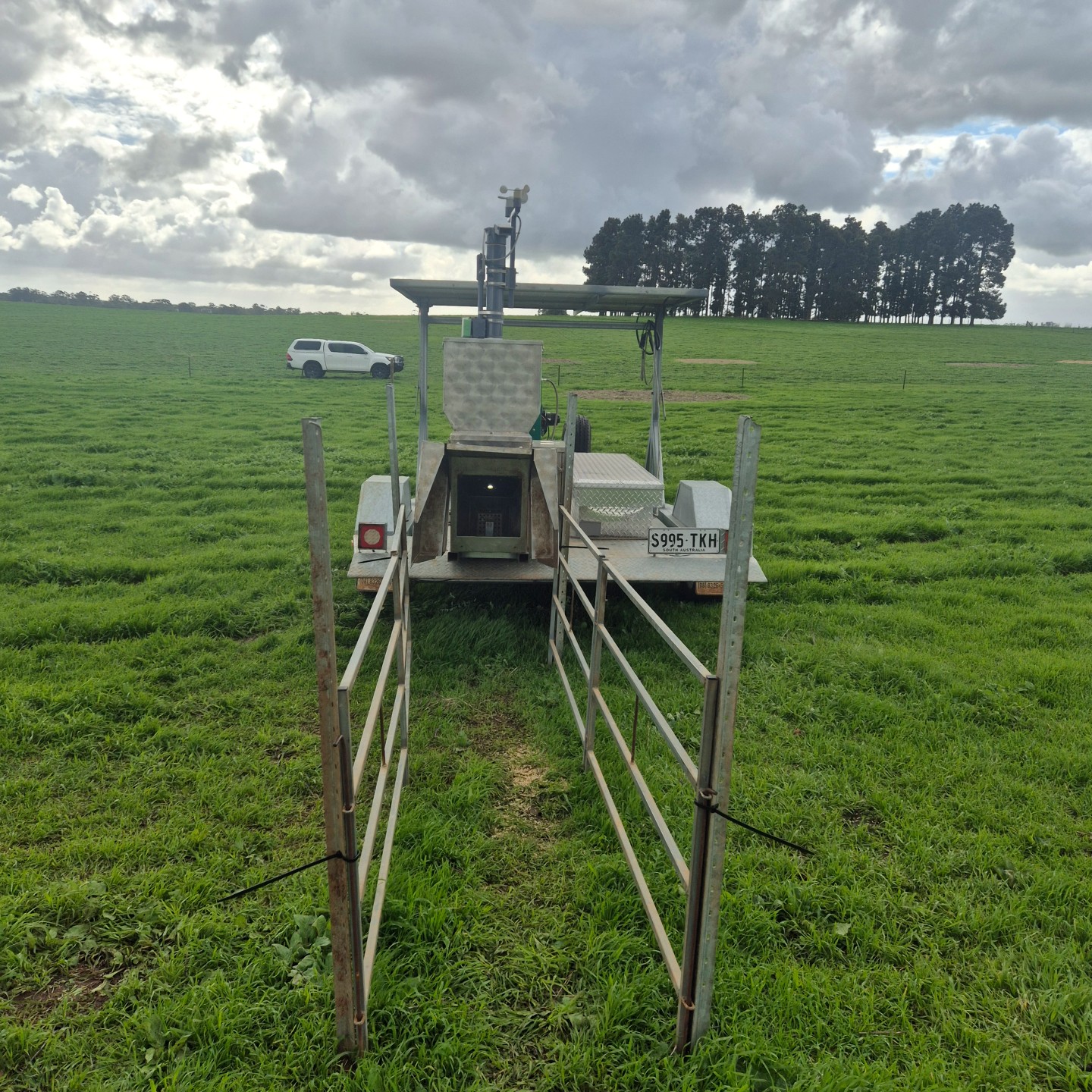
Greenfeed (Image 1) training is ongoing, as is data collection from the remaining two treatments (Nitrate and Agolin + Nitrate). Therefore, preliminary conclusions onto the efficacy of any of the additives cannot yet be determined.
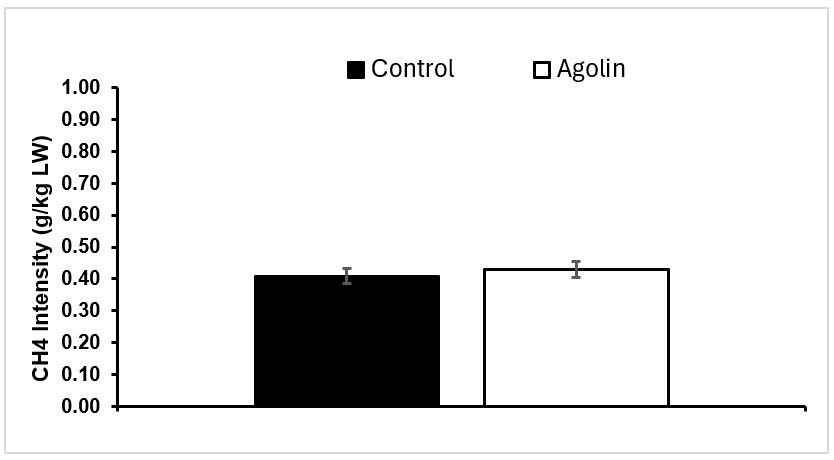
In-field measures using a GreenFeed machine (C-Lock Inc) of mean CH4 intensity (g/kg LW) from grazing ewes receiving either no anti methanogenic (control) additive in a loose lick or Agolin Ruminant® additive in a loose lick (Agolin).
Water delivery
The water delivery project has only just commenced, and therefore no results have been collected to date.
Project timeframe
Start date (month/year): January 2026
Completion date (month/year): March 2027
Loose lick delivery
Start date: January 2026
Completion date: January 2027
Water delivery
Start date: June 2026
Completion date: March 2027
Project team
| Name | Job title & organisation | |
|---|---|---|
| Jamee Daly | Senior Research Officer, SARDI | Jamee.Daly@sa.gov.au |
| Alyce Lowe | Sub-Program Leader, SARDI | Alyce.lowe@sa.gov.au |
| Alice Weaver | Program Leader, SARDI | Alice.weaver@sa.gov.au |
Key milestones
| Month/year | Description |
|---|---|
| January 2026 | Loose lick trial starts |
| March 2026 | Ram entry looselick |
| May 2026 | Ram entry water delivery |
| July 2026 | Water delivery trial start |
| August 2026 | Lambing looselick |
| October 2026 | Lambing water delivery |
| November 2026 | Looselick weaning |
| January 2027 | Looselick data collection complete and water delivery weaning |
| February 2027 | Water delivery data collection complete |
| March 2027 | Full project completion |
Funding partners
| Name/organisation | Role in project |
|---|---|
| Department of Climate Change, Energy, the Environment and Water (DCCEEW) | |
| Australian Wool Innovation |
Collaborators for SA component of trial
| Name/organisation | Role in project |
|---|---|
| DSM-Firmenich | Industry collaborator (providing product and advice to optimise delivery) |
| FeedWorks | Industry collaborator (providing product and advice to optimise delivery) |
| Department of Primary Industries New South Wales (DPI NSW) | Research collaborators (conducting similar studies within their organisation) |
| The University of Western Australia (UWA) | Research collaborators (conducting similar studies within their organisation) |
| The University of New England (UNE) | Research collaborators (conducting similar studies within their organisation) |