
Cysticercus bovis (C. bovis)
Cysticercus bovis (C. bovis), formerly known as beef measles, is the larval stage of the human tapeworm (Taenia saginata) in cattle. C. bovis can cause accidental, cyclical infections between cattle and humans.
C. bovis is a notifiable disease under the Livestock Act 1997 (SA). There is a legal obligation to report if you know or suspect an animal has this disease. If unmanaged, C. bovis could have significant impacts on human health and meat export markets.
How Cysticercus bovis spreads
C. bovis spread involves cattle and humans continually infecting each other:
- Tapeworm-infected humans pass eggs in their faeces
- Contaminated septage gets sprayed onto pastures
- Cattle ingest eggs from those pastures, which develop into small cysts in their muscle tissue
- Humans ingest those cysts by eating raw or undercooked meat and become infected with tapeworm, restarting the cycle.
Cysticercus bovis symptoms
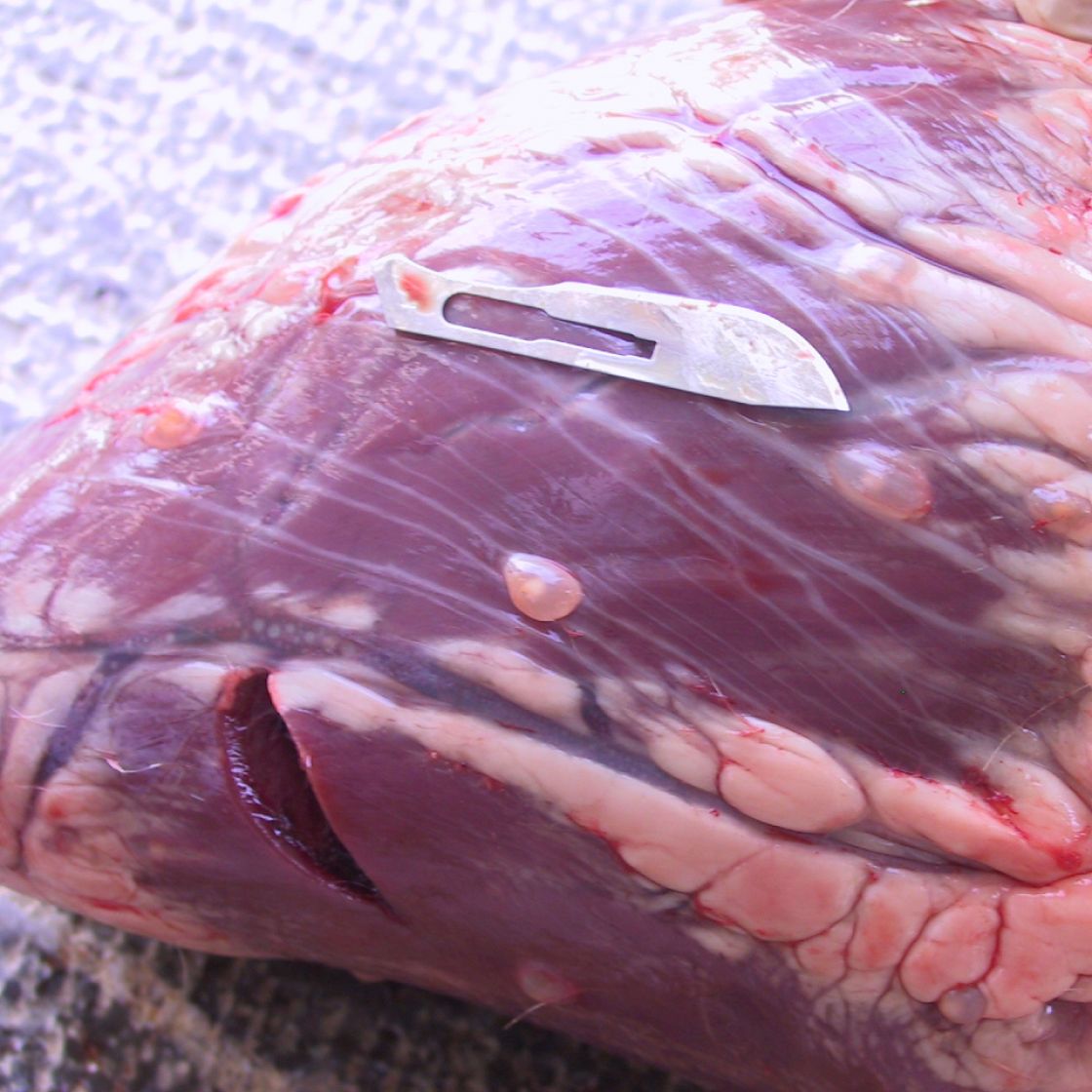
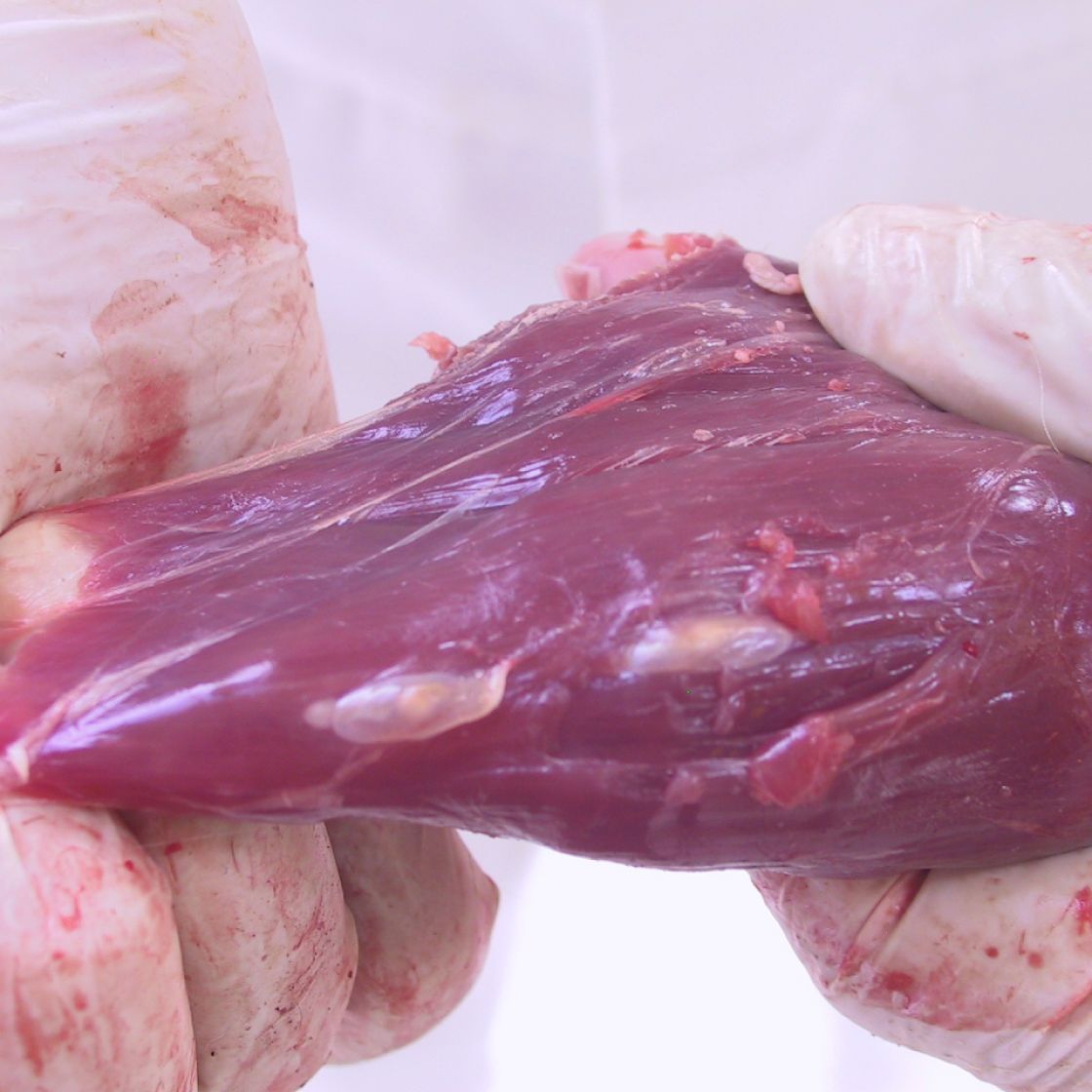
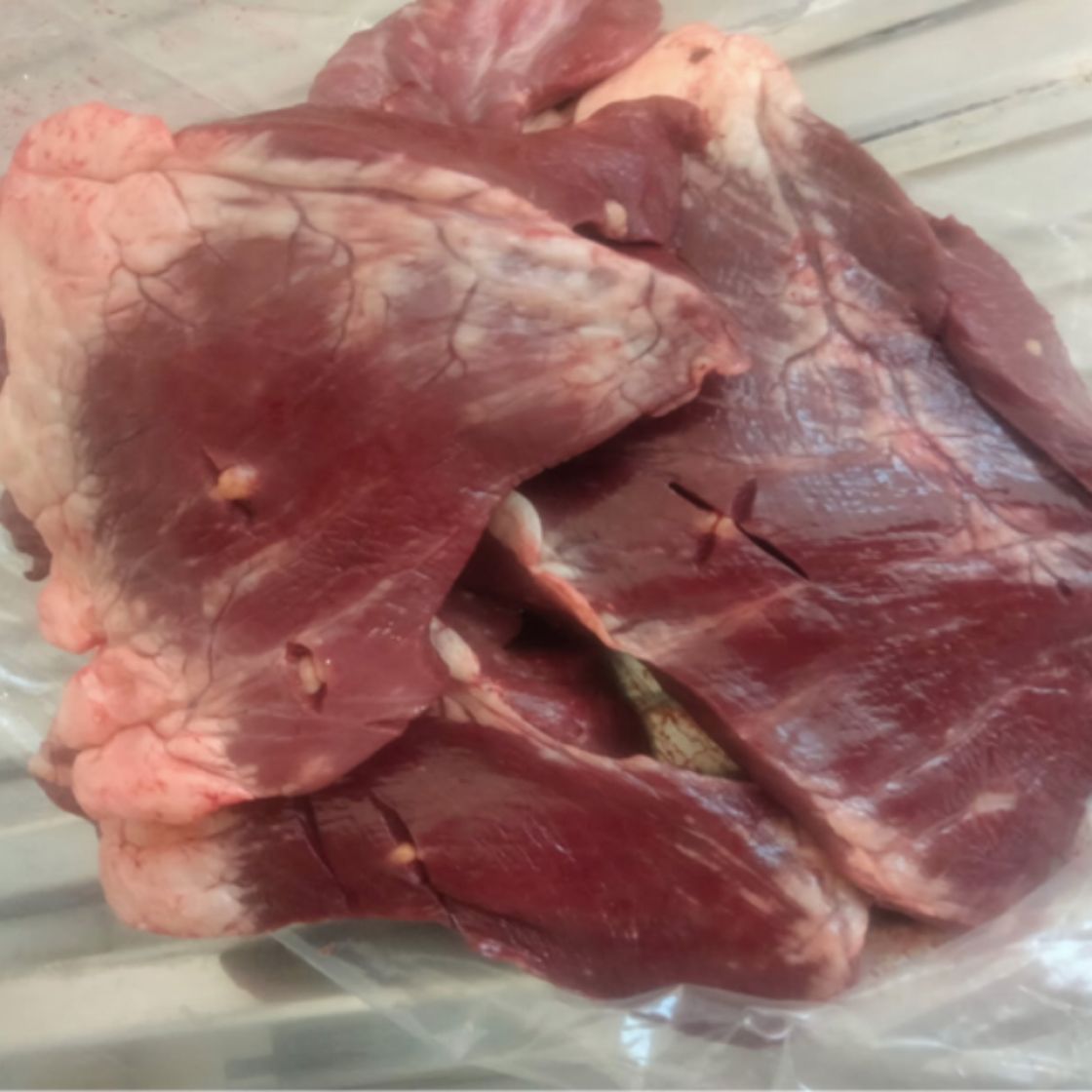
Tapeworm eggs develop into small cysts in cattle in the following locations:
- heart muscle (most common site)
- masseter muscles (jaw area)
- diaphragm
- tongue
- skeletal muscle (general body musculature)
Cyst characteristics
The cysts tend to be:
- 5-10mm in diameter
- translucent or white
- round or oval
- fluid-filled and soft to touch.
The cysts may:
- have a white dot (a scolex or head)
- remain infective for up to 2 years (and possibly longer). Only 10-20% of cysts found at abattoirs are still alive; the rest degenerate but remain visible.
Preventing and reducing the risk of Cysticercus bovis
Farmers
Farmers should:
- ensure no human faecal contamination of pasture or other cattle foodstuffs
- follow the Environment Protection Authority (EPA)’s guideline for septage management if using septage for beneficial reuse (including not using that land to graze cattle or grow cattle fodder for at least 2 years)
- treat reclaimed sewage water according to the Australian Guidelines for Water Recycling (AGWR) for helminth egg control
- use recommended management practices as outlined in the National Livestock Identification Scheme (NLIS) C. bovis fact sheet.
Food preparation
You can reduce the risk of ingesting active cysts by storing and cooking meat correctly.
Destroy viable cysts by:
- freezing meat for 10 days at -12°C
- cooking meat to at least 57°C throughout.
Detecting Cysticercus bovis at abattoirs
Cysts are most often found during meat inspections at abattoirs. Routine inspection procedures should help detect instances of C.bovis without special handling.
As identified in the 'Australian Standard for Hygienic production and transportation of meat and meat products for human consumption (AS4696:2023)', you should:
- conduct visual examination of muscle surfaces and cut areas during standard processing
- pay particular attention to heart and jaw muscles
- look for small, translucent cystic lesions in high-risk anatomical locations.
Why Cysticercus bovis detection matters
Proper detection and management of C. bovis is crucial for:
- preventing human tapeworm infection
- maintaining meat export market access
- protecting the reputation of the Australian meat industry
- ensuring compliance with food safety standards
- fulfilling obligations under legislation.
Reporting Cysticercus bovis
Upon detection, you should:
- Record animal identification details and document findings, including the cyst's exact location, number, size, and appearance
- Mark the carcass for veterinary examination and separate it from the processing line
- Immediately notify your meat inspector, safety officer, or plant veterinarian
- Contact PIRSA:
- Emergency animal diseases hotline: 1800 675 888
- Email: pirsa.animalbio@sa.gov.au
For more information, see PIRSA's reporting animal disease webpage.