
Australian plague locust
The Australian plague locust (Chortoicetes terminifera) is a significant agricultural pest:
- they infest large areas
- outbreaks are frequent
- they can produce several generations in a year.
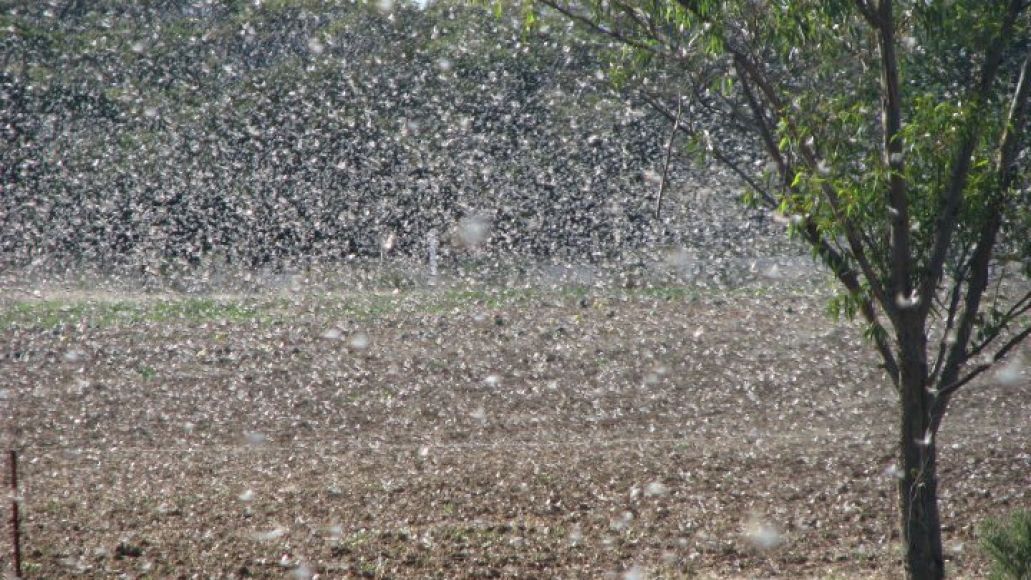
Adult locust populations can emerge in South Australian cropping and pastoral regions in spring and are readily observed as swarms of adult locusts.
The last locust outbreak in South Australia occurred in 2022. The state's largest ever outbreak was in 2010.
Current situation
As South Australia looks ahead to one of its strongest cropping seasons in recent memory, locust control is critical to protecting crop and pasture production.
Locust control and treatment
Treating locusts at the right stage of their life cycle can significantly improve control effectiveness and reduce treatment costs. Seek professional advice and only use approved products.
Plague Locust Chemical Rebate
Apply for reimbursement for using approved locust control products on your property.
Identification
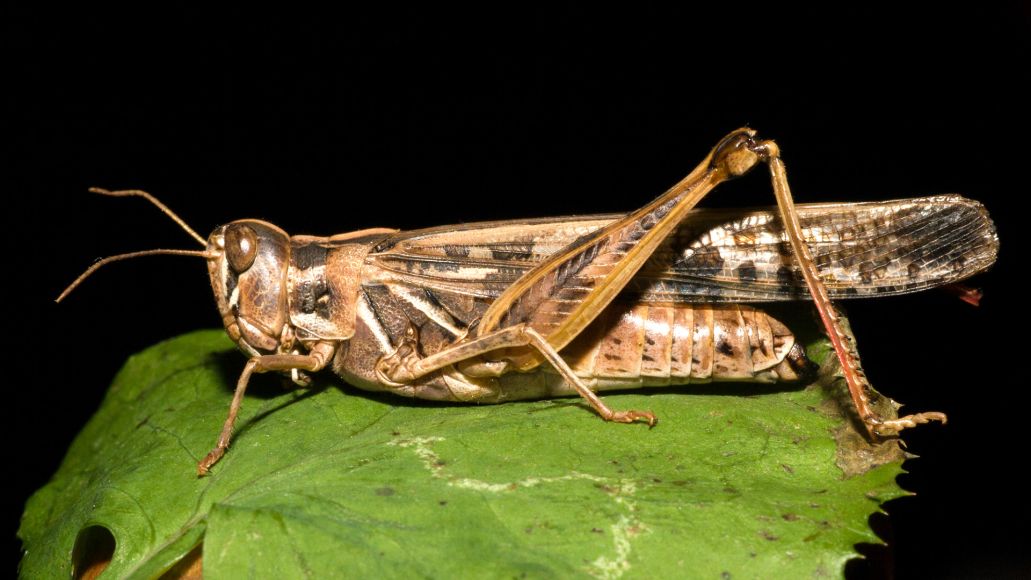
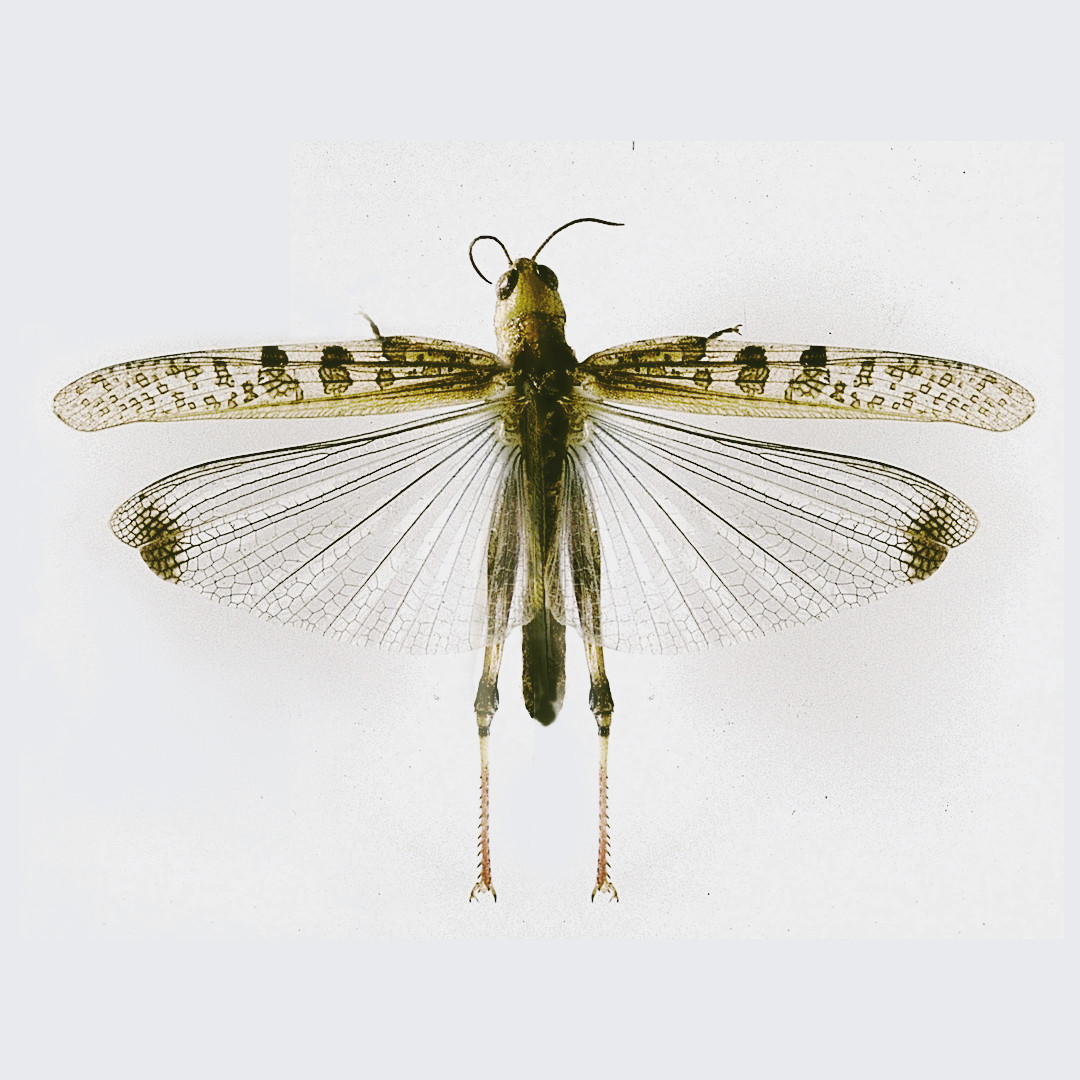
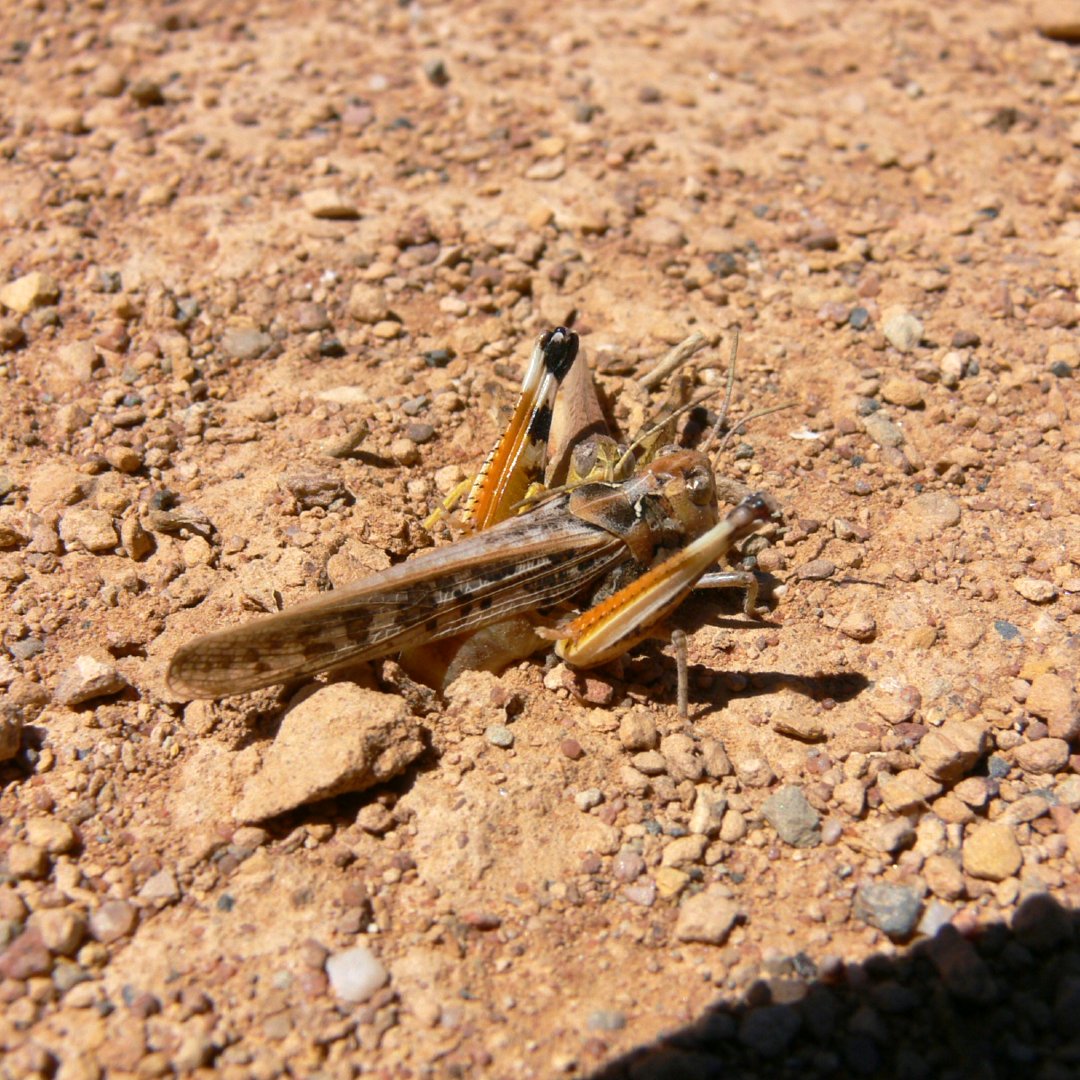
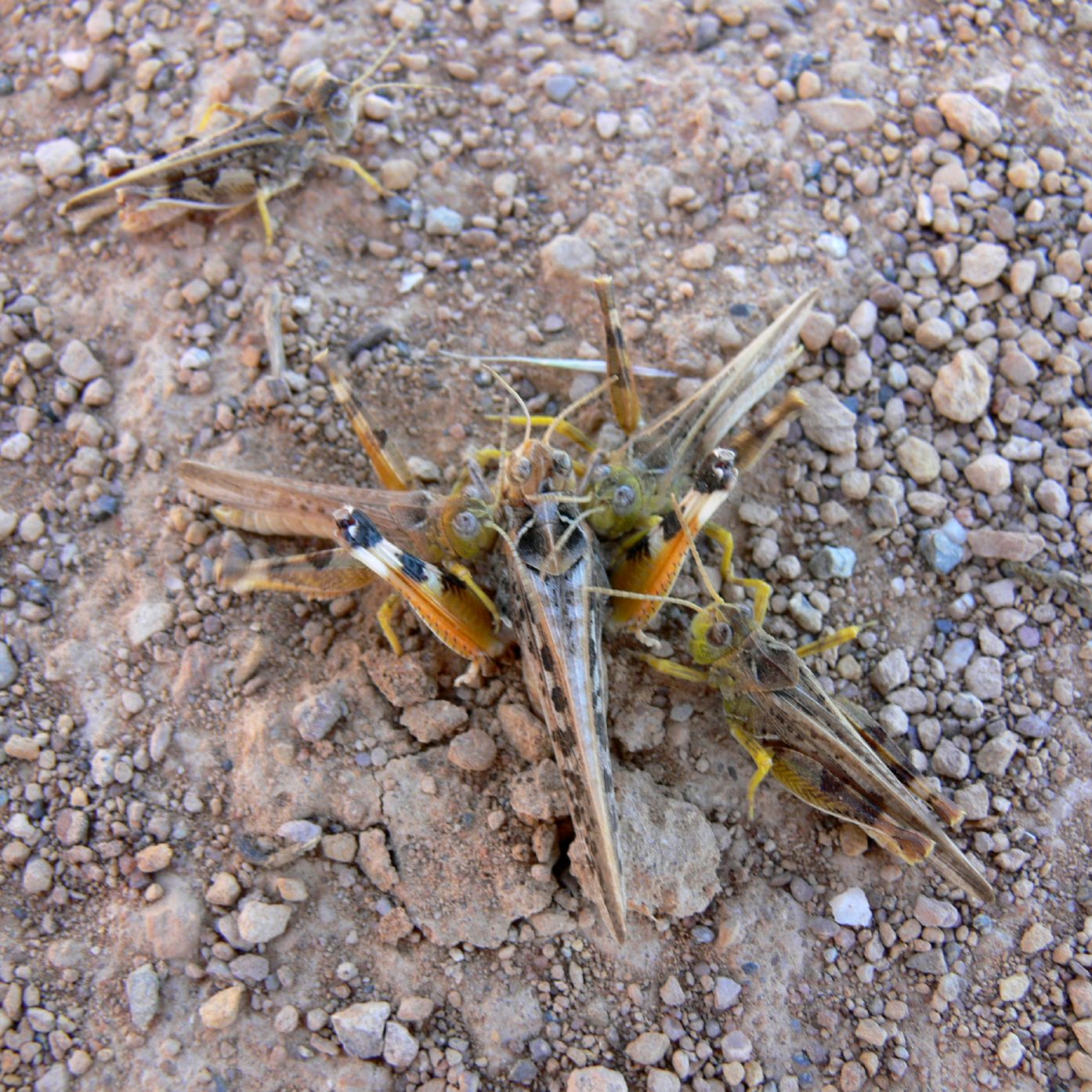
Adults are relatively easy to recognise by the characteristic black spots on forewings and the tip of the hind wing. Back legs have black spots on the thighs and knees and bright red to orange colouring on the hind leg shanks. They are medium-sized locusts, often seen flying in groups or settling in large numbers on vegetation, particularly during warm, calm conditions.
Nymphs (hoppers) are more difficult to identify individually, as they can resemble other native grasshopper species and vary in colour from green to brown depending on their stage and environment.
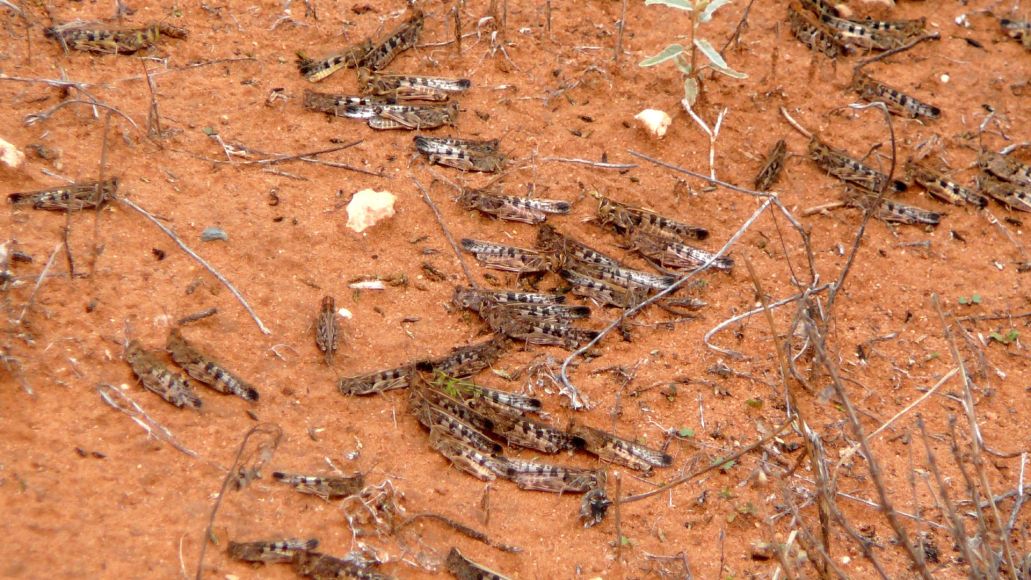
Australian plague locust hoppers typically form dense, coordinated marching bands that move and feed together. If such bands are observed, they are very likely to be plague locusts. While other grasshopper species may be present in the same areas, they do not form these large, organised bands or exhibit the same migratory behaviour.
Report locust activity
Landholders are encouraged to report locust activity and monitor paddocks regularly throughout winter and spring.
Observations from growers and agronomists are essential to track locust activity across the state.
Landholders are strongly encouraged to report any significant infestations, including:
- adult swarms
- high densities
- hopper bands
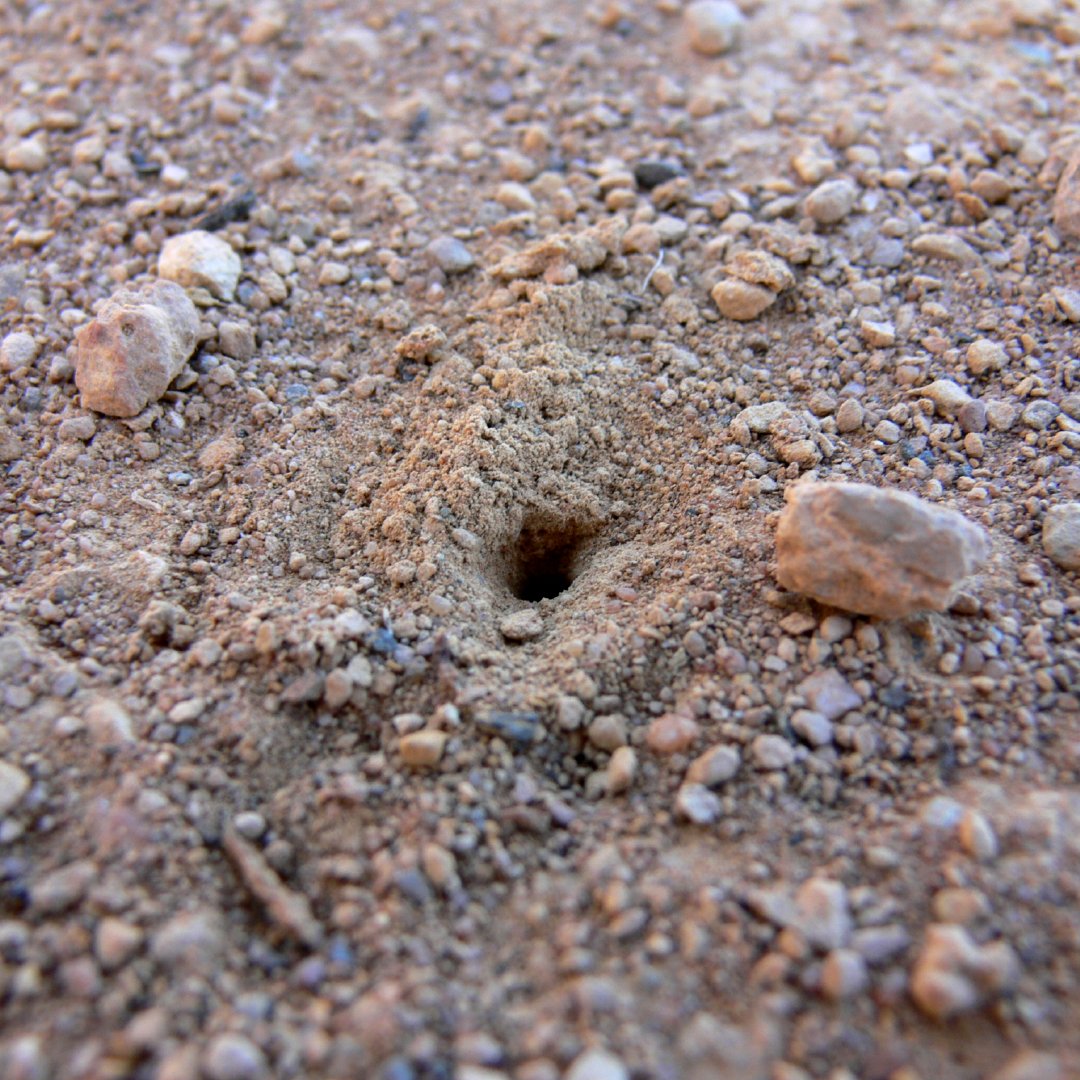
- egg-laying activity.
Reports can be made via the Exotic Plant Pest Hotline on 1800 084 881 or using the report plant pest form.
Include key details such as:
- date
- location (GPS if possible)
- life stage (adults or hoppers)
- density and size of the affected area
- brief description of the habitat.
Controlling locust populations
Under the Plant Health Act (2009), landholders are primarily responsible for controlling locusts on their properties.
PIRSA will support landholders through surveillance, advice, monitoring and control guidance. In the event of large outbreaks, PIRSA may assist with control in suitable pastoral areas (above 100 hectares in size) to reduce overall populations.
Landholders and primary producers are advised to watch out for signs of the pest and to factor in locusts as part of their current pest control planning, following normal crop protection and insect control principles.
Spraying adults is generally considered inefficient because adults are highly mobile and will move in and out of paddocks at short notice.
Spraying adults should only be carried out where protecting a specific crop or pasture is necessary.
Locusts should be directly sprayed, using only an Australian Pesticides and Veterinary Medicines Authority (APVMA) registered or permitted insecticide – see Public Chemical Registration Information System Search.
Products are available containing:
- synthetic pyrethroids
- malathion.
Speak to your local chemical resellers or consultants for more specific chemical recommendations to suit your situation.
Follow insecticide label instructions and withholding periods for harvest and grazing, particularly as crops near maturity. Note that windrowing is also classified as harvest.
The ideal time to treat locusts is when they in the nymph stage, around 2 to 3 weeks old when they aggregate and form into bands.
Bands may be several square metres or larger. Smaller bands can be directly targeted for spraying rather than the whole crop. Controlling bands reduces overall populations.
It is best to spray locusts directly when they are settled, either late in the evening or early in the morning. Warmer daytime conditions (over 20°C) and light winds (less than 11 kilometres per hour) encourages more flight movement.
For more information, see Locust control and treatment.
How swarms develop
Adult locusts may lay eggs in suitable areas during autumn. These eggs typically enter a winter dormancy with nymphs hatching in spring. Nymphs then aggregate as 'bands' of juvenile hopping locusts on the ground. Juveniles cannot fly but have wing buds that increase in size as they grow – for more information, see growth stages of hopper nymphs.
Large locust populations can develop when rain in warmer months provides ideal conditions for green feed to develop and sustain them.
Adults migrate in search of green feed, creating a potential threat to emerging crops in autumn.
Migrating adult locusts are highly mobile and can move quickly between paddocks and districts, readily reinvading treated areas and feeding on established crops and pastures, particularly where local densities are high.
In suitable climatic conditions locust swarms can migrate to South Australia from south-west Queensland and adjacent areas of New South Wales and Victoria. They can then develop into localised populations in South Australia’s northern and north-eastern pastoral zones, upper Eyre Peninsula, Riverland and Mallee regions, and then go through an entire new life-cycle.
If conditions remain favourable, these local populations can build to high densities and form new swarms within these regions. These have the potential to migrate as adult locust swarms up to 500 km.
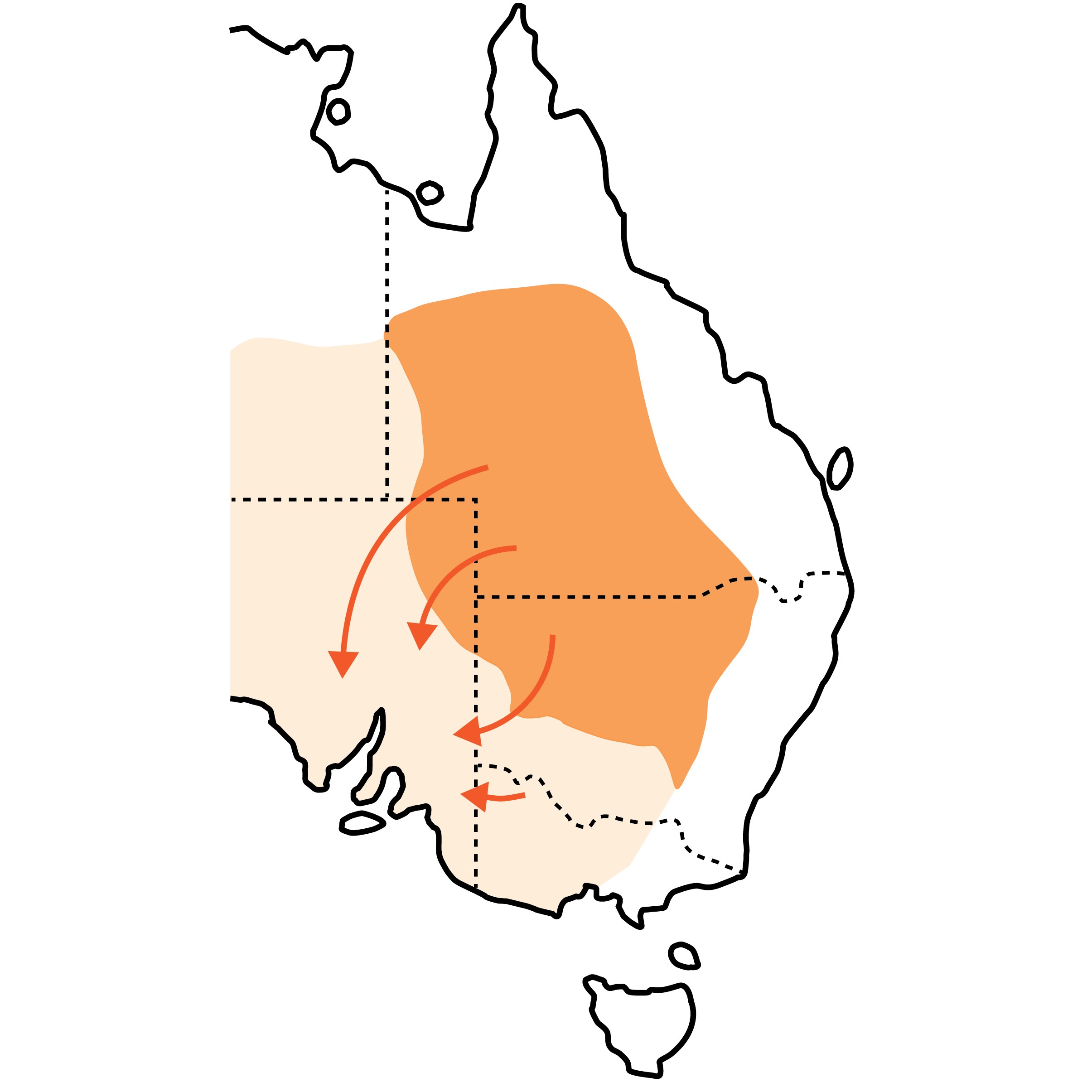
The Australian Plague Locust Commission monitors the movement of locust populations in Australia.
When locust populations are likely to cross into another state the commission undertakes:
- surveillance
- threat assessment
- forecasting
- control measures.
Subscribe for updates
Go to the subscription centre to be emailed locust update bulletins from PIRSA.