
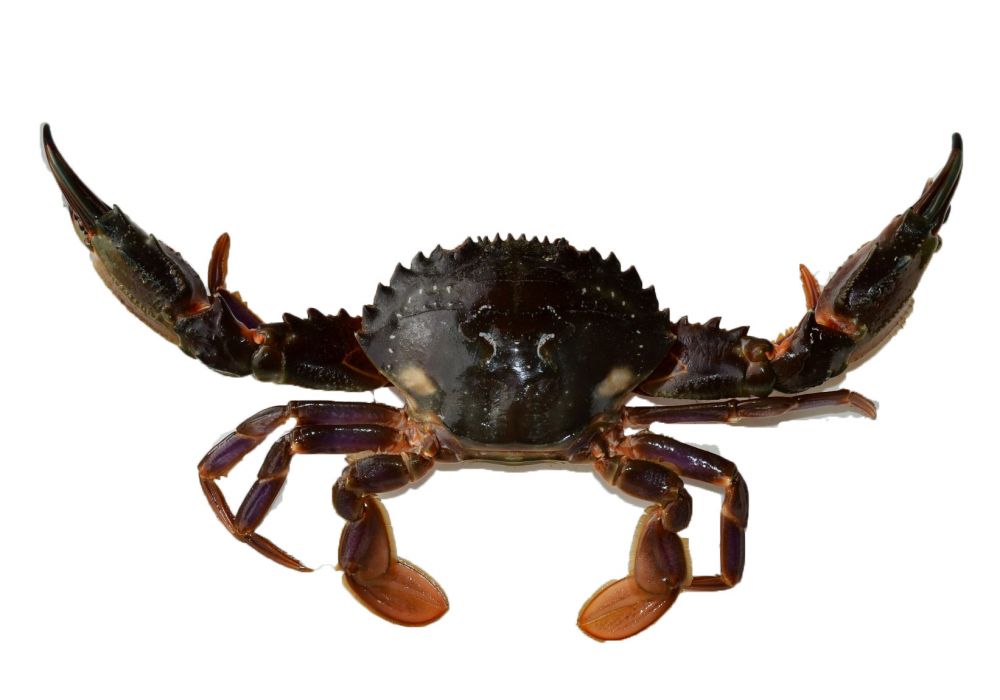
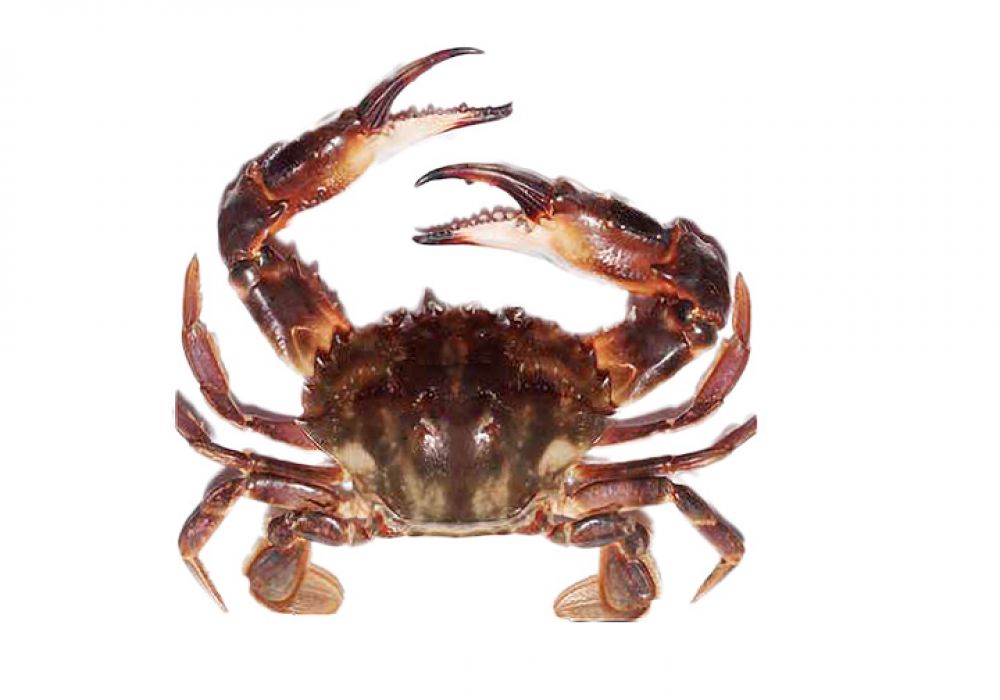
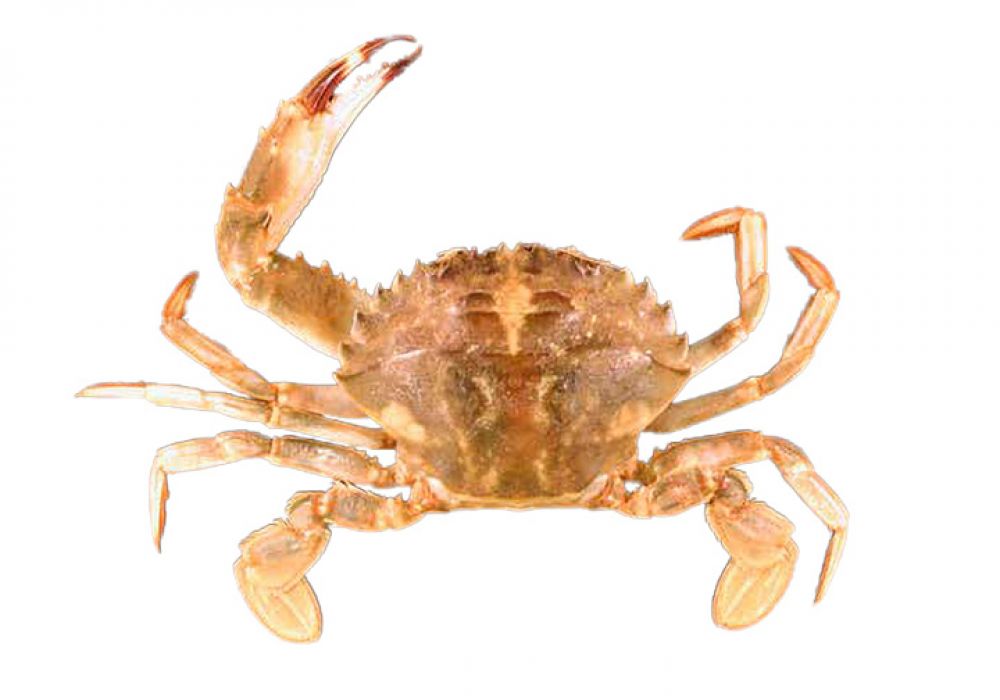
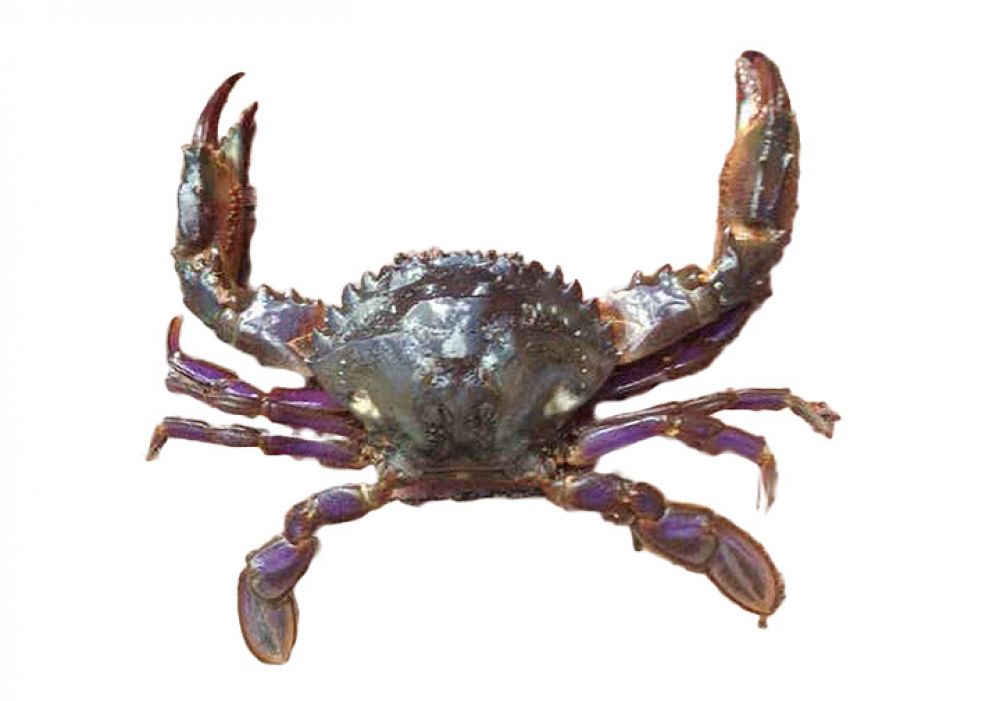
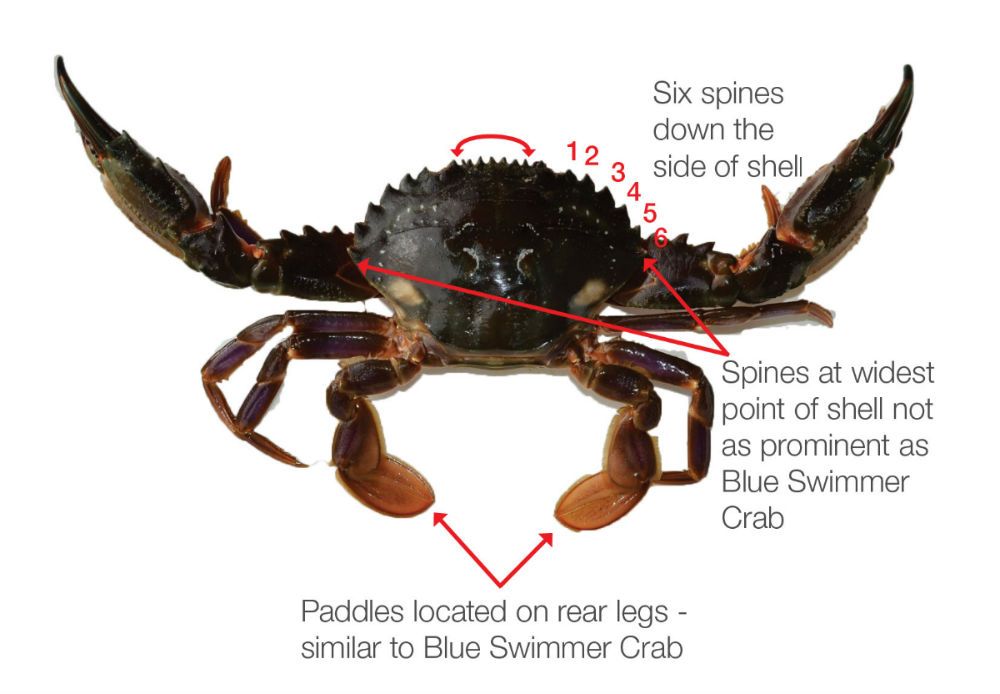
The Asian Paddle Crab is an aggressive, non-native crab species. It is not currently established in Australia but has significant potential to do so.
The Asian Paddle Crab:
- competes for food and shelter with native crustacean species
- can carry disease which can impact native species such as lobster, prawn, and crab
- spread via biofouling on shipping.
Since 2019, there have been 4 confirmed detections of Asian Paddle Crab in South Australian waters, specifically the Gulf St Vincent and in the Port River.
Members of the public are urged to report any sightings or catches of this species to PIRSA immediately. Don't return it to the water, instead take a photo, keep it in a bucket of seawater and immediately report it to PIRSA Fishwatch (24 hours) on 1800 065 522.
Characteristics:
- Grows up to 120 mm wide, which is smaller than the Blue Swimmer Crab
- Has many colours, like pale, olive green, brown, purple
- Sharp spines between its eyes
- Six spines down each side of the shell
- Both males and females have paddles on the rear legs (if it doesn’t have paddles, it’s not an Asian Paddle Crab)
Considered an exotic species under the Fisheries Management Act 2007, the Asian Paddle Crab may not be deposited, released, or allowed to escape into any waters in South Australia.
For more information on how to distinguish from native species please read the Asian Paddle Crab Factsheet ( )