
Additional varroa mite detections identified in the Limestone Coast and upper Fleurieu region – next steps for beekeepers
Wednesday 26 November 2025 BiosecurityRegionsMedia release
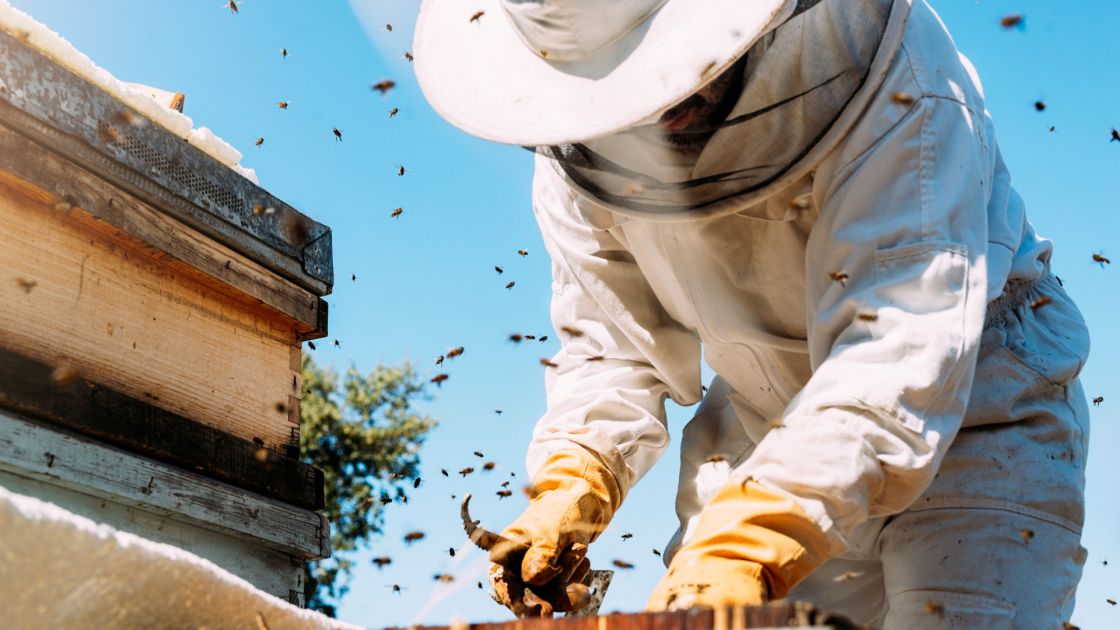
Varroa mites have been detected in hives at additional sites in the Limestone Coast and upper Fleurieu Peninsula since a detection at Salt Creek last week, with beekeepers in these areas urged to increase their monitoring frequency.
One site, Taratap on the Limestone Coast, is directly linked to the original detection last week at Salt Creek.
In addition, there has been a detection at Sellicks Hill in the upper Fleurieu Peninsula - this detection is linked through both beekeepers operating on the same property at Gumeracha in the Adelaide Hills.
It is important to note that varroa mite has not been detected at Gumeracha, but may potentially be within the feral/unmanaged bee population in this area.
The Department of Primary Industries and Regions (PIRSA) has assisted beekeepers to install surveillance mats and treatments into all bee hives at Salt Creek and Taratap, and support is being provided to the detection at Sellicks Hill.
The new detections in hives at Sellicks Hill and Taratap were confirmed by an entomologist from the South Australian Research and Development Institute (SARDI).
All beekeepers with positive detections are working with PIRSA to undertake surveillance at all linked sites, where additional sampling and tracing will be carried out to establish the extent of the incursion.
PIRSA is urging all beekeepers who have had hives within 25 km of Sellicks Hill, Gumeracha or Salt Creek/Taratap since mid August to shorten their monitoring intervals to every 3 to 4 weeks and if you suspect to have detected varroa mite, please contact the PIRSA Biosecurity Apiary Unit by emailing pirsa.beebiosecurity@sa.gov.au or the Exotic Plant Pest Hotline 1800 084 881.
These detections are the second time the pest has been found in South Australia following a detection at Pooginook in the Riverland in September. All impacted hives associated with the Pooginook detection were moved out of the state by their interstate owner in compliance with their SA entry permit conditions.
To date there is no evidence that connects these new detections to the previous Pooginook detection in the Riverland. A source for this incursion is not known at this stage.
Since the first detection in Australia in NSW in 2022, varroa mite is now established and spreading in NSW, Victoria, Queensland and the ACT.
To allow for a thorough assessment of these detections, sticky mats and acaricides are being deployed across all potentially impacted hives. Acaracides are a highly effective treatment in the destruction of varroa mite. A movement control has been applied to the affected apiary sites to ensure bees, hives, and associated equipment cannot be moved from the sites to allow a thorough traceback assessment, surveillance and treatment.
A biosecurity notice to beekeepers has been issued today, and the South Australian Varroa Industry Advisory Committee (SAVIAC) is being briefed and has a meeting scheduled for Thursday 27 November.
PIRSA has undertaken significant industry engagement to prepare beekeepers and associated businesses for varroa mite entering the state, including the development of South Australia’s Transition to Management Plan, developed with industry through SAVIAC.
All South Australian beekeepers are urged to:
- Inspect their hives regularly using alcohol wash, or sugar shake.
- If within the 25 km of the known detection sites increase your monitoring frequency to every 3-4 weeks.
- Report any suspected detections immediately to PIRSA by emailing pirsa.beebiosecurity@sa.gov.au or via the Exotic Plant Pest Hotline on 1800 084 881.
- Ensure they are registered with PIRSA so they can receive up-to-date biosecurity notices and guidance.
Advice and support regarding varroa management is available from the Varroa Development Officers and PIRSA apiary staff, while PIRSA Family and Business (FaB) Mentors offer a free confidential service if mental health or financial advice is needed.
Since the establishment of the Transition to Management Plan, PIRSA has employed multiple Varroa Development Officers to work with industry, and to date they have conducted 837 engagements involving 1,574 beekeepers to educate them on varroa mite.
For further information, including resources for hive monitoring and details of PIRSA’s Varroa Development Officer team, see Varroa mite.