
Canine crackdown on giant pine scale
Sunday 28 June 2026 BiosecurityPrimary industriesMedia release
Sniffer dogs are being deployed across the North Eastern suburbs as part of a comprehensive giant pine scale surveillance program.
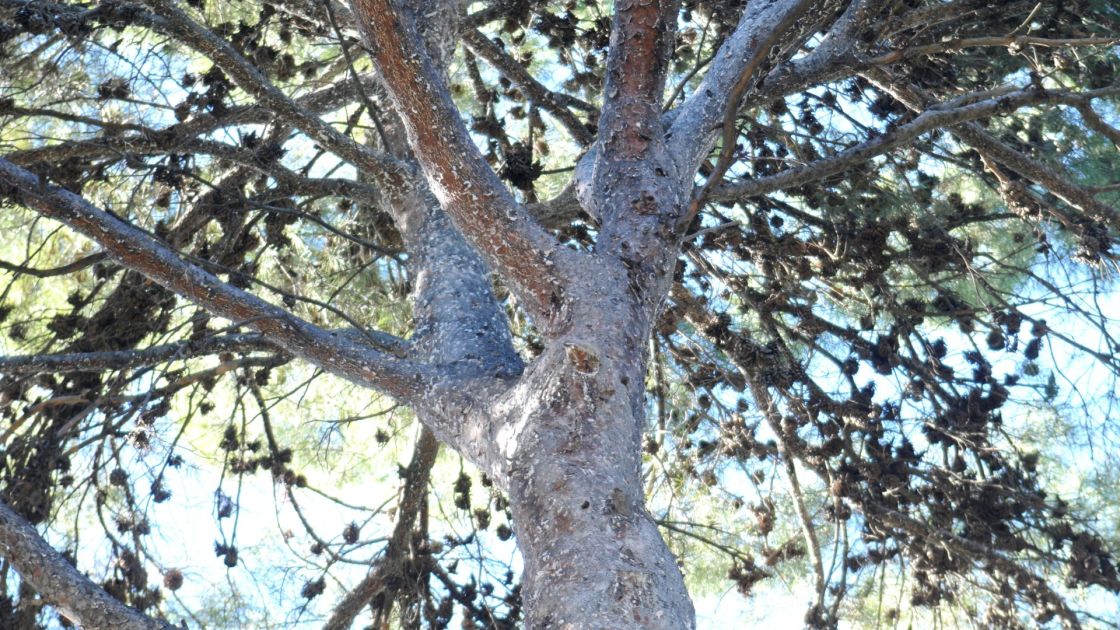
While there continues to be no detections of the pest plant disease in SA following previous infestations, a team of specially trained dogs have been searching pine trees and other susceptible conifer trees at Thorndon Park and other sites for any signs of giant pine scale.
Detector dogs can detect the scent of the pest at very low levels and faster than humans can, providing improved detection sensitivity, accelerated surveillance, and earlier, more targeted biosecurity responses in the event of a new infestation.
It’s all part of an annual, proactive winter and spring surveillance program aimed at monitoring at-risk parks, reserves and plantations and ensuring they remain free of giant pine scale.
Local MPs Olivia Savvas, Matthew Marozzi and Jenn Roberts have been passionately advocating to ensure proactive giant pine scale surveillance continues, to protect their constituents’ outdoor spaces and softwood plantations as well as the amenity, active lifestyle and economic value these areas provide.
Giant pine scale surveillance is being undertaken by the Department of Primary Industries and Regions (PIRSA) in partnership with the Australian Forest Products Association, Green Adelaide and Detector Dogs SA.
Aerial surveillance followed by human inspections will be undertaken in spring, when giant pine scale symptoms such as white, cotton-like wax are visible. Winter is an opportune time for detector dogs as they can detect the pest disease when the pest is almost invisible.
Giant pine scale does not affect native tree species and poses no health risk to people or animals.
Suspected giant pine scale sightings should be reported to the Exotic Plant Pest Hotline on 1800 084 881.
For more information, see giant pine scale.