
South Australia vigilant as H7 avian influenza detected in Victoria
Tuesday 11 February 2025 Biosecurity
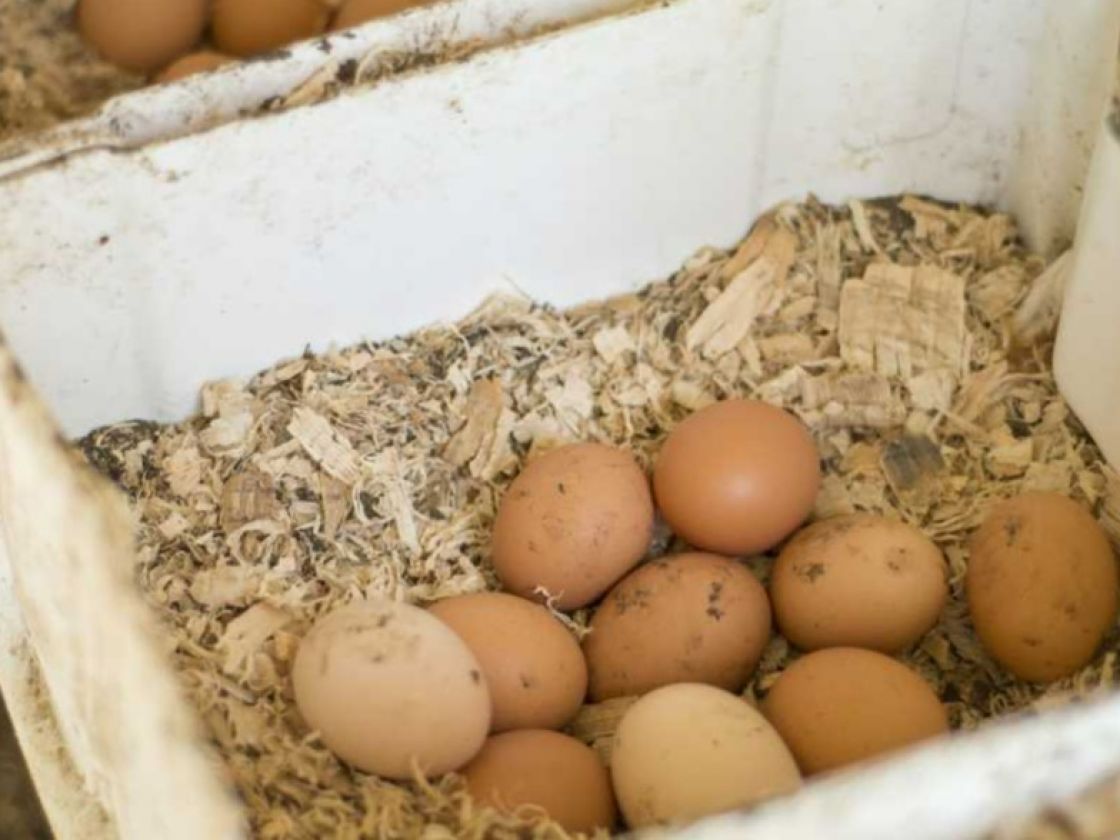
SA backyard or commercial poultry owners are being urged to closely monitor their flocks and report any signs of disease following the confirmation of highly pathogenic H7N8 avian influenza at an egg farm in northern Victoria.
Importantly, this is not the H5N1 strain that is circulating globally, and Australia remains the only continent free from this strain.
There are no known avian influenza detections in poultry in South Australia and consumers can be assured that eggs and poultry products remain safe to eat.
A range of control measures have been implemented in Victoria, including property quarantine and the deployment of Agriculture Victoria staff to support the affected business and conduct further investigations.
Avian influenza can have devastating effects, including severe symptoms and up to 100% mortality in affected flocks, making proactive surveillance and response critical.
South Australia’s $922 million poultry industry remains free of avian influenza, but preparedness measures are in place should an outbreak occur. Our ongoing disease surveillance is part of a national approach. It includes actively looking for the disease as part of the National Avian Influenza Wild Bird Surveillance Program, which is coordinated by Wildlife Health Australia.
Detection also relies on those who know their flocks best – poultry and bird owners – to promptly report any signs of disease or unexpected deaths in their flocks, by reporting through the Emergency Animal Disease Hotline on 1800 675 888.
Other key preparedness activities include:
- ensuring adequate supplies of response equipment including chemicals and PPE
- enhancing the state’s diagnostic capability for responses
- purchasing emergency response units including equipment for quarantine, sampling, and decontamination
- operational planning for key response activities such as destruction, disposal, and decontamination
- training for response readiness to support all areas of EAD response
- developing epidemiology skills necessary for an EAD response such as avian influenza including surveillance, tracing, and risk assessment
- developing an operational response policy and plan in case of a detection of HPAI in wild birds.
PIRSA will continue to monitor the situation closely and provide updates as required.
Find more information on avian influenza preparedness and biosecurity measures.