
Eagle-eyed birders flock to help South Australia’s bird flu response
Thursday 23 July 2026 BiosecurityEmergencies and recoveryMedia release
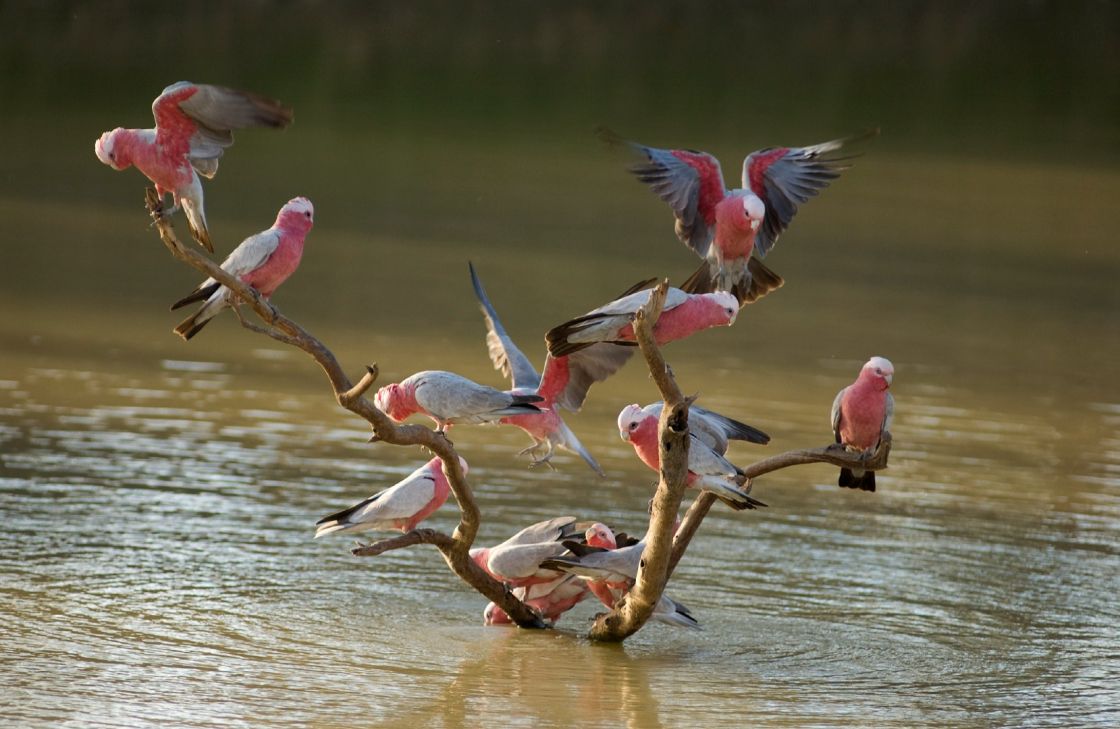
South Australia’s nation-leading training program empowering birders to contribute to the bird flu response is underway with strong uptake from the local birding community.
Co-designed through the Malinauskas Government’s partnership with Conservation Council SA, Birds SA and BirdLife Australia, the program provides specialised training to identify sick birds that may be showing signs associated with H5 bird flu in the wild and record and report observations.
The program combines the abundance of local expertise their members hold about wildlife in the coastal and wetland systems with the government’s response plans, bolstering efforts through knowledge sharing and joining forces for a common purpose.
The first training session was well-attended with over 70 birders taking part and 60 participants have become the first official members of South Australia’s Bird Observers Network.
The Bird Observers Network has a strong coastal footprint, with around half of the members so far based along the coast including from the Fleurieu Peninsula, Yorke Peninsula, Eyre Peninsula, Kangaroo Island and the Limestone Coast. There has also been strong uptake from volunteers based across metropolitan Adelaide.
A face-to-face training session has been scheduled for 4.30pm on Monday, 27 July at the Glenelg Surf Life Saving Club. This will take place before the Bird Flu Community Forum which is being held there from 6pm to 7.30pm. Another webinar training session will be held on Wednesday 29 July at 7pm – 8:30pm.
Volunteers are encouraged to contact BirdObserversNetwork@sa.gov.au to be part of the network.
The partnership with Conservation Council SA, Birds SA and BirdLife Australia was developed through the State Government’s H5 Bird Flu Stakeholder Roundtable.
Earlier this week, the State Government launched a new website - birdflu.sa.gov.au - to serve as a central source of information on H5 bird flu in South Australia, bringing together the latest updates, advice and resources for primary producers, veterinarians, wildlife carers and other sectors, as well as the community at-large.
The website complements the 24/7 Emergency Animal Disease Hotline (1800 675 888), helping to ensure South Australians can access accurate information and advice.
The number of confirmed cases of H5 bird flu in South Australia remains at five, all in sea birds including in a greater crested tern, which is native to Australia. The other four cases were detected in giant petrels, which are migratory.
The community is reminded that if you see sick or dead birds or other wildlife, do not touch them. Avoid contact. Record what you see. Report it to the Emergency Animal Disease Hotline on 1800 675 888 from anywhere in Australia.