
High-tech network supports early bushfire responses
Wednesday 29 April 2026 Emergencies and recoveryPrimary industriesRegionsMedia release
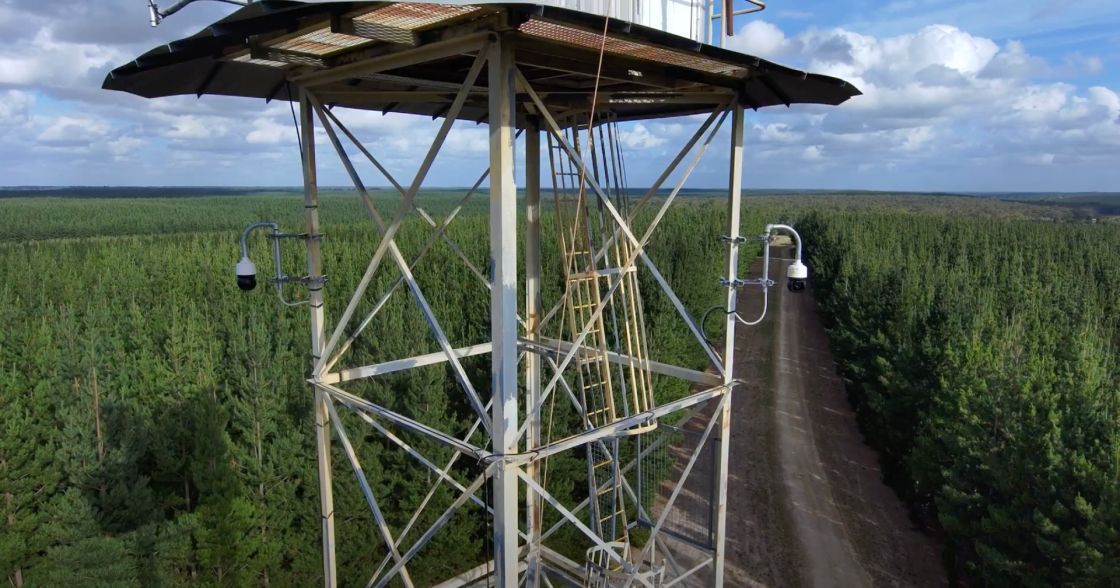
A ground-breaking artificial intelligence (AI) system has detected almost 90 unplanned fires since it was rolled out across more than a million hectares in South Australia, helping firefighters coordinate earlier bushfire responses.
The technology provides early intelligence to firefighters to support their bushfire responses across the state’s Green Triangle forestry region, helping them respond to fires when they’re smaller and more containable.
In 2023, the Malinauskas Government invested $2.35 million to install eight AI-powered cameras, developed by bushfire detection and intelligence provider Pano AI, in strategic locations throughout the South East’s forest estates and Limestone Coast communities.
Since then, the smart camera network has detected 87 unplanned fires across vast areas of the Limestone Coast, including 12 during the 2025-26 Fire Danger Season, which ends tomorrow in the South East, Kangaroo Island, Mid North, Mount Lofty Ranges, Murraylands, Riverland, Yorke Peninsula and Adelaide Metropolitan area.
Most of the fires detected by the system were during the 2024-25 Fire Danger Season, when 50 were identified. Lightning was responsible for the majority of the fires, including the March 2025 Fox fire near Lucindale, while others were linked to vehicle fires, electrical faults and escaped burn-offs.
The remaining 25 unplanned fires detected by the system were during the 2023-24 season.
The AI camera network is managed by the Green Triangle Fire Alliance (GTFA), which also manages another seven smart cameras installed on fire towers and infrastructure over the border in the Victorian part of the Green Triangle forestry area.
Each camera feeds into a system that delivers real-time fire detection alerts which are then reviewed by a human analyst using ultra-HD 360-degree cameras, AI and satellite technology, helping to identify the earliest signs of smoke and fire.
The system also helps identify a fire’s location, severity and proximity to people, infrastructure and firefighting assets, supporting more informed responses from industry and emergency services.
Notable fires detected by the system since it was rolled out include the Biscuit Flat hay shed fire in January 2024, which enabled emergency services to quickly scale up resources thanks to early alerts, as well as multiple deliberately lit car fires in timber plantations during early 2024 and a string of lightning fires in early 2025.
While the Fire Danger Season ends tomorrow in South Australia, fires can continue to break out at any time of year and the public is asked to remain vigilant and continue adhering to fire safety requirements.
Visit cfs.sa.gov.au for more information on fire warnings, incidents and advice on how to plan and prepare.