
Algal bloom testing results continue positive trend
Monday 27 April 2026 Fishing and aquacultureMedia release
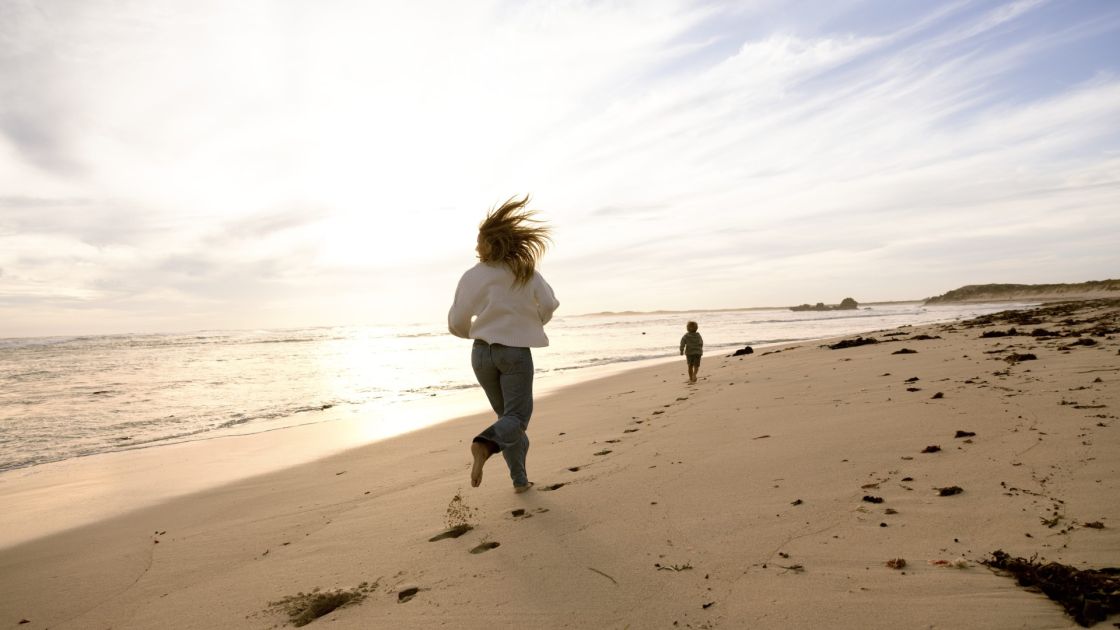
In response to months of improved beach conditions and latest monitoring trends, the State Government is now in a position to adjust some of its Algal Bloom Summer Plan response measures.
Water testing results show the vast majority of South Australia’s coastline continues to record zero or low levels of the Karenia algae species, building on the encouraging monitoring data over the past three months.
The majority of testing sites across Adelaide, Eyre Peninsula, Kangaroo Island, Southern Fleurieu, Coorong and the state’s South East have consistently recorded zero or low levels of Karenia since the start of February.
All but one of the more than 110 onshore testing sites recorded zero or low levels of Karenia according to the latest results from the week beginning 19 April.
In the latest round of testing, only one onshore site across the state recorded elevated levels of Karenia above 10,000 cells per litre of water – Bickers Island off the southeast of Eyre Peninsula (16,490 cells per litre).
Latest results also show zero or low levels of Karenia at all 19 testing sites on Yorke Peninsula.
In line with lower levels of Karenia across South Australian waters, incidents of marine life washing up on beaches has declined significantly since the peak of the algal bloom.
The State and Federal Governments have committed more than $160 million to the algal bloom response, including increased research and monitoring and support for our coastal communities and businesses to recover from this unprecedented event.
In response to months of improved conditions, the following measures will be implemented from 1 May 2026:
- Local councils or relevant landowners will resume normal beach management arrangements, with State Government field officers and regional contractors no longer conducting daily inspections of metropolitan and regional beaches. State Government beach clean-up crews are currently removing less than 50 kg of dead marine life from South Australian beaches a week, down from more than 9,400 kg a week in early December 2025.
- In accordance with State Government testing procedures, water testing for Karenia in areas of non-active bloom will revert to monthly testing. Areas of active bloom will continue to undergo high-frequency testing.
- The dedicated algal bloom website will be enhanced to include links to the livestream beach cameras, alongside regular information on the latest water testing results from 7 regions across the state.
- Livestream videos of 20 popular beaches across Adelaide and regionals areas will remain available from the Beachsafe website and app, allowing people to see latest beach conditions for themselves.
- Daily algal bloom reports implemented at metropolitan and some regional beaches over the busy summer months will no longer feature on the Beachsafe website and app, reflecting that the vast majority of beaches are now consistently clean and free of abnormal foam or abnormal water colour.
- Algal bloom signs across South Australia’s beaches will be progressively withdrawn from council areas when zero or low Karenia cell counts have been recorded for four consecutive weeks at monitoring sites in that council area.
- In response to a significant decline in demand, the Algal Bloom Community Hotline (1800 774 779) will transition from a staffed service to an automated model that connects callers to existing services to report fish kills, dead or injured wildlife, or access general health or mental health support services.
In addition to these changes, updated fish stock assessments have prompted changes to temporary fishing restrictions from 1 May.
An increase in abundance of Blue Crab in Gulf St Vincent has allowed the removal of all restrictions on this species, similar to the arrangements already in place for Spencer Gulf.
A total closure will be implemented for Southern Calamari across both gulfs for commercial, recreational and charter boat fishing.
A recreational and charter boat closure will be implemented for Garfish in Gulf St Vincent, which is already subject to a commercial closure.
A spawning closure will be implemented for King George Whiting across both gulfs until 31 July 2026. Along with the spawning closure, recreational and charter boat fishing limits for the species in Spencer Gulf will return to 100% from 1 May.
All other existing fishing restrictions will remain in place, subject to quarterly scientific reviews.
| Region | Fish | Commercial Fishing | Recreational and Charter Boat Fishing | ||
|---|---|---|---|---|---|
| Current | Update | Current | Update | ||
| Gulf St Vincent and Kangaroo Island | Blue Crab | Closed | Open | Reduced by 50% | Open |
| Calamari | Closed | Closed | Reduced by 50% | Closed | |
| King George Whiting | Closed | Closed | Reduced by 50% | Spawning closure until 31 July | |
| Garfish | Closed | Closed | Reduced by 50% | Closed | |
| Spencer Gulf | Blue Crab | Open | Open | Open | Open |
| Calamari | Open | Closed | Reduced by 50% | Closed | |
| King George Whiting | Open | Spawning closure until 31 July | Reduced by 50% | Spawning closure until 31 July. Bag, boat and passenger limits increase to 100%. | |
| Garfish | Open | Open | Open | Open | |
Ongoing algal bloom response measures will continue with a focus on protecting and restoring our environment, ensuring South Australians can enjoy the beach, and backing coastal businesses and communities. Programs include:
- Investing more than $12 million to restore shellfish reefs off Yorke Peninsula, Eyre Peninsula, Kangaroo Island and Adelaide.
- Conducting underwater surveys to provide quantitative data on the ecological impact of the algal bloom on marine biodiversity and habitat, providing a baseline to monitor recovery.
- Expanding our investment in South Australia’s capacity for real time oceanographic water quality forecasting and monitoring through collaboration with the CSIRO, including acquisition of state-of-the art monitoring buoys.
- Restocking native fish in reservoirs, creeks and inland waterways to provide alternative fishing options.
- A targeted breeding and conservation program for vulnerable and threatened species impacted by the algal bloom.
- Working with citizen scientists to collect and analyse data – improving our understanding and tracking of algal blooms.