
Science shines at environmental forum for Riverland primary students
Thursday 3 July 2025
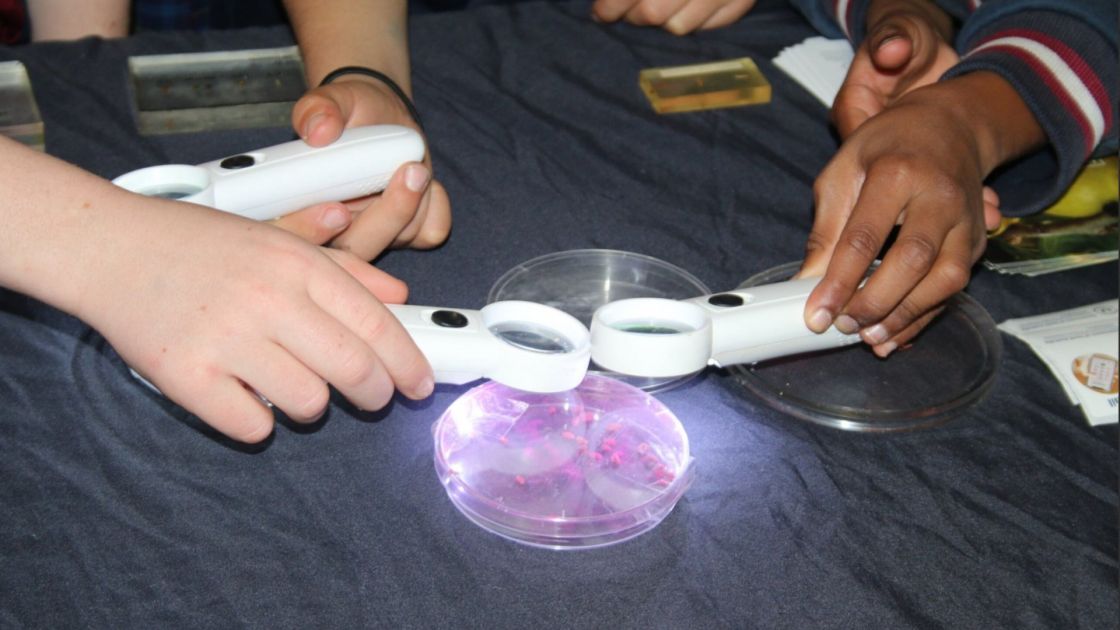
Primary students from across the Riverland gained a hands-on look at how Queensland fruit fly is managed in their region, through sessions delivered by PIRSA staff at the recent Young Environmental Leaders (YEL) forum in Loxton.
Hosted by the Murraylands and Riverland Landscape Board, the event engaged Year 5 and 6 students in exploring local environmental challenges and science-based solutions.
John Trappel, from PIRSA’s Riverland Sterile Insect Technology (SIT) program, guided students through the entire SIT process. This starts with collecting fruit fly eggs at the Port Augusta facility, then sterilising and transported to the rearing facility where they rear the flies before releasing them in targeted locations across the Riverland.
Sterile Insect Technology is a proven method for suppressing wild fruit fly populations. By releasing large numbers of sterile flies into the environment, they outnumber wild flies and mate with them. This leads to them producing no offspring, and gradually reducing the fruit fly population.
“Most people don’t realise just how much science and precision goes into this program,” Mr Trappel said. “It was great to see the students so interested – not just in what we do, but why it matters for protecting their region’s fruit industry.”
Students used UV torches to view examples of SIT flies and examined the fruit fly life cycle through acrylic displays of larvae, pupae and adult flies. Mr Trappel’s session helped students understand both the science and the logistics behind this critical biosecurity program.
PIRSA Community Engagement Officer Michelle Harding also ran a practical session on how to identify fruit fly in home gardens and protect crops through good hygiene, baiting, and observing movement restrictions. She explained the serious impact fruit fly can have on the horticulture industry and the broader community if not controlled.
“Students were engaged, curious, and asked fantastic questions,” Ms Harding said. “They came away with practical knowledge and a strong sense of responsibility to act.”
Not only did students leave the forum well informed, but they were also eager to take what they’d learned back to their homes and communities to help stop the spread of fruit fly.
More information
- How Sterile Insect Technology (SIT) works
- Learn how to Identify and report fruit fly
- Read how to Protect your home garden from fruit fly
- Subscribe for email updates