
School is out, but don’t let pests in
Wednesday 15 April 2026
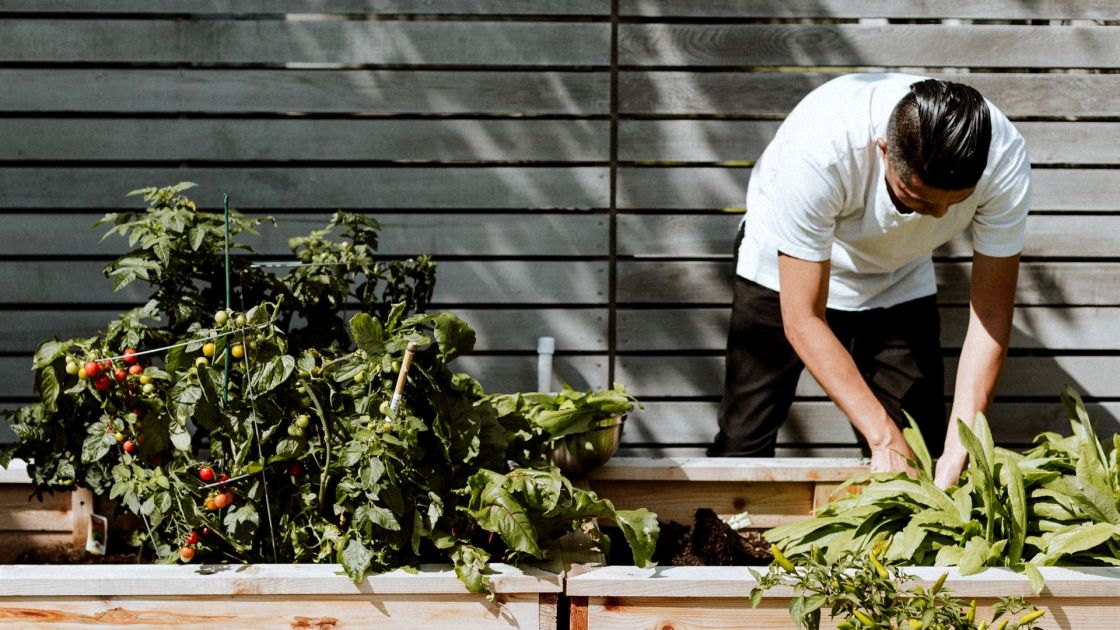
With school holidays now underway, the Department of Primary Industries and Regions (PIRSA) is encouraging families to get their children involved in simple garden activities at home to help protect the Riverland from fruit fly.
Autumn is a key time in home gardens, with many households harvesting produce, cleaning up after the warmer months and preparing for the season ahead. These routine activities also play an important role in reducing fruit fly risk.
General Manager of the Fruit Fly Response, Jason Size, said everyday garden tasks can make a big difference.
“Picking ripe fruit, cleaning up fallen produce, and pruning trees are all simple activities kids can help with alongside parents or carers,” Mr Size said.
“It’s a great way for children to get outdoors during the holidays, learn about where their food comes from, and understand how actions in their home garden, can help protect South Australia’s $1.3 billion horticulture industry.”
Following PIRSA’s Pick, Check, Collect, Call guidelines will help prevent fruit fly from spreading throughout the Riverland and the state.
- Pick – Promptly pick your ripe fruit and vegetables and follow any movement restrictions for your area. Prune fruit trees so you can pick them more easily next season.
- Check – Inspect your fruit and vegetables for maggots and blemishes.
- Collect – Cleaning up fallen fruit from your garden helps break the fruit fly life cycle by preventing potential fruit fly maggots from burying into the soil and developing into adult flies.
- Call – If you suspect fruit fly, seal the fruit in an airtight container or a plastic bag and call the Fruit Fly Hotline: 1300 666 010.
PIRSA says the risk of fruit fly spread rises during peak travel periods, so families are encouraged to plan ahead these school holidays.
“Before you hit the road, check our website for a list of what you can and can’t bring with you.
“If you do have any restricted produce in the car, it’s important to eat it or dispose of it in one of our quarantine bins at key entry points into South Australia or the Riverland,” Mr Size said.
PIRSA staff will be checking vehicles at quarantine stations and random roadblocks. If caught with restricted fruit and vegetables you will be issued with a $420 fine.
Restricted produce can be prepared in certain ways so it can be brought along for the ride, including being canned, cooked, dried, frozen, grated or pureed.
Over the past 12 weeks, the Riverland has seen a steady decrease in the number of fruit fly detections in the region. Of the 58 currently outbreak areas there were only detections in 33, with 25 registering zero detections.
On 31 March 2026, the Glynde outbreak successfully reached its end date and was released from outbreak restrictions. This shows that the work PIRSA does, in conjunction with community support, leads to eradication.
Travellers can check current fruit fly restrictions and maps at the outbreak map.
A full list of restricted fruit and vegetables can be found at restricted-produce.
For more information about fruit fly, visit the fruitfly website or call the 24-Hour Fruit Fly Hotline on 1300 666 010.
Current outbreak end dates
As of Wednesday 15 April 2026, the end dates for all outbreaks are as follows:
- Riverland: 7 December 2026
- Elizabeth East: 7 November 2026
FAB mentors contacts
PIRSA Family and Business (FaB) mentors are available to support Riverland residents through this challenging time. FaB mentors are available for free, informal, confidential, and independent conversation in person or over the phone.
Riverland and Murraylands FaB mentors include Robyn Cain (0411 633 085), John Chase (0419 848 672), and Brent Fletcher (0439 409 430). Learn more at fabs or call the FaB mentors directly.