
Australian plague locust activity increasing across SA
Wednesday 29 April 2026 SARDIPestFacts
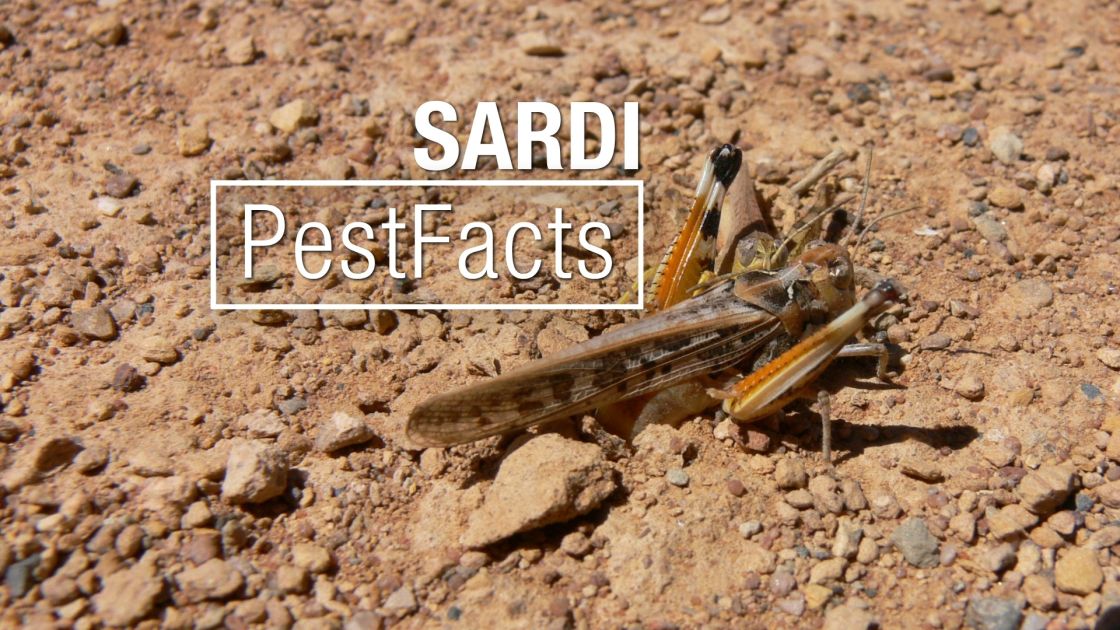
Over the past week, the PestFacts team has received multiple reports of increasing activity of the Australian plague locust (Chortoicetes terminifera) across South Australia.
Observations have come from the Upper and Lower Mallee, Flinders Ranges, Eyre Peninsula and Riverland, with notable concern where adults are moving into recently sown paddocks.
Identification
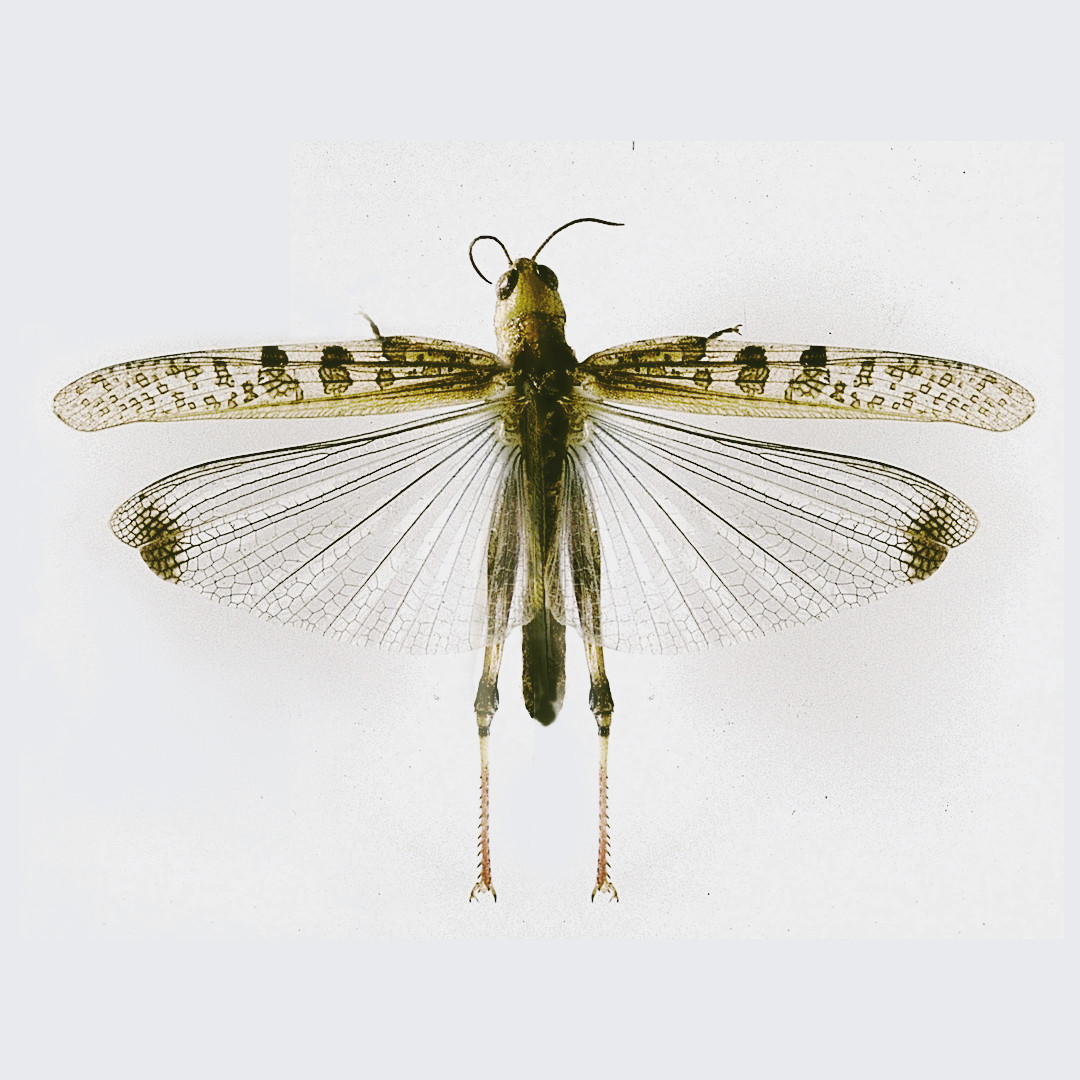
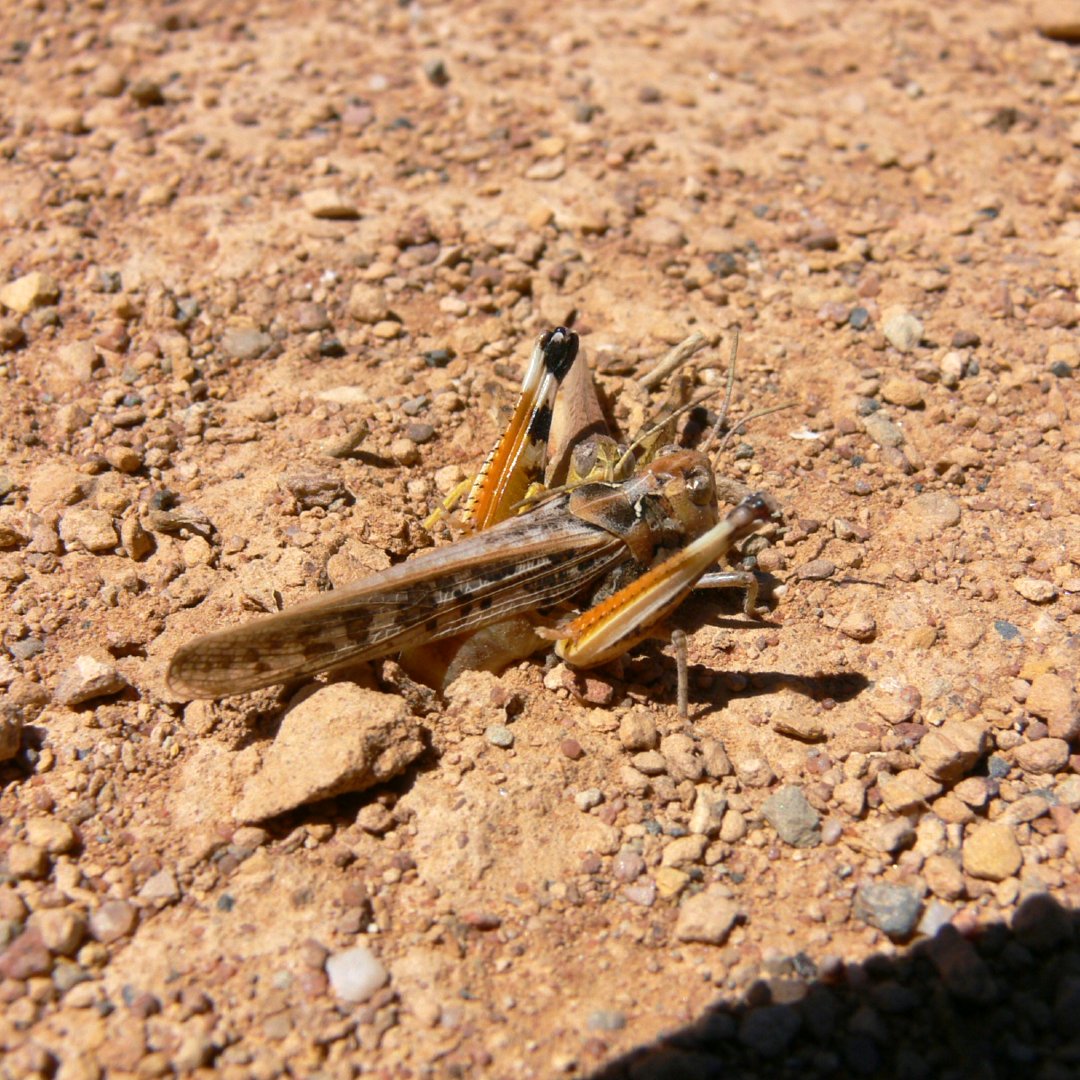
Adults are relatively easy to recognise by the characteristic black spots on forewings and the tip of the hind wing. Back legs have black spots on the thighs and knees and bright red to orange colouring on the hind leg shanks. They are medium-sized locusts, often seen flying in groups or settling in large numbers on vegetation, particularly during warm, calm conditions.
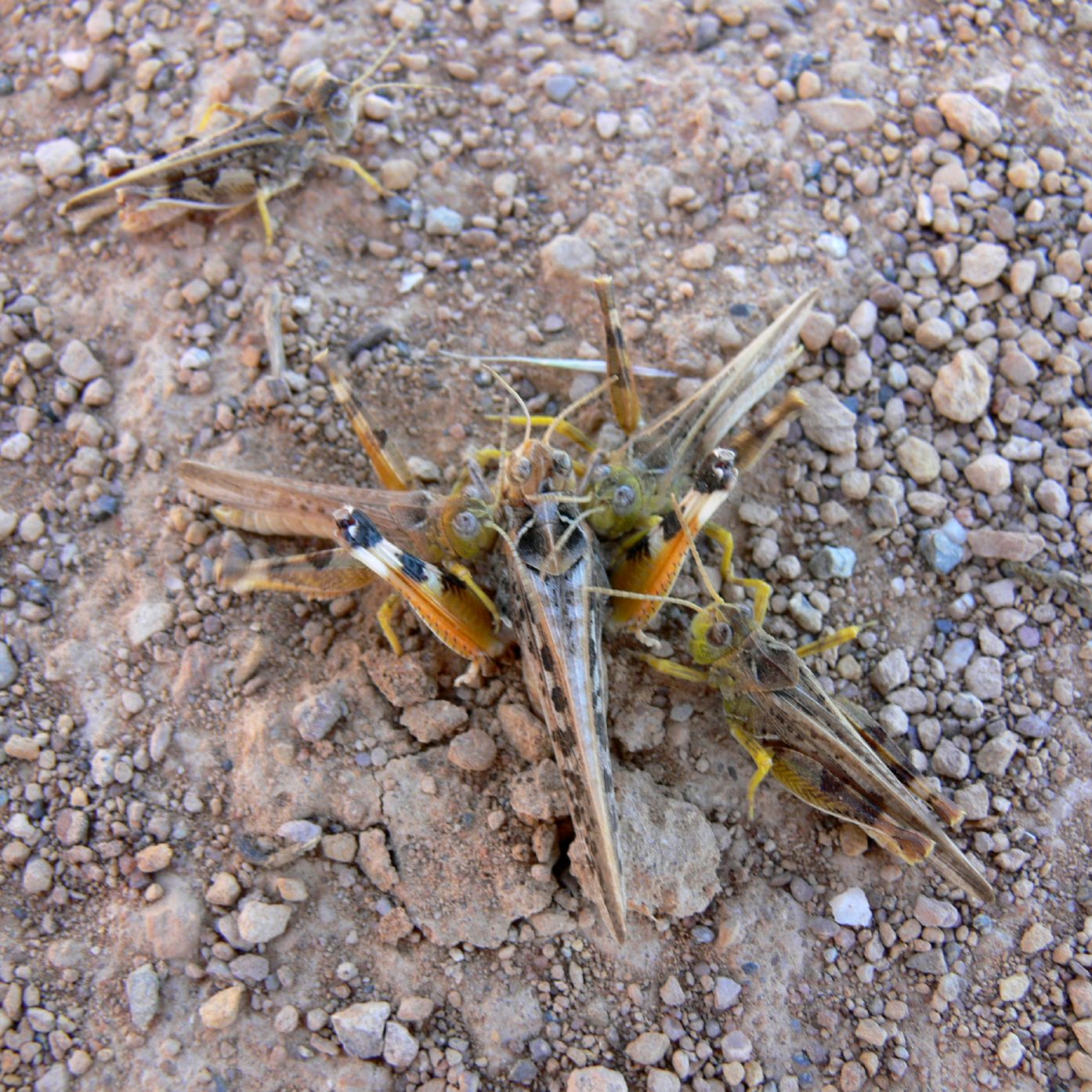
Nymphs (hoppers) are more difficult to identify individually, as they can resemble other native grasshopper species and vary in colour from green to brown depending on their stage and environment.
However, a key distinguishing feature is their behaviour: Australian plague locust hoppers typically form dense, coordinated marching bands that move and feed together. If such bands are observed, they are very likely to be plague locusts. While other grasshopper species may be present in the same areas this season, they do not form these large, organised bands or exhibit the same migratory behaviour. We have not yet received any reports of other species.
Reporting is critical
With limited surveillance data currently available, observations from growers and agronomists are essential to track locust activity across the state.
Landholders are strongly encouraged to report any significant infestations, including:
- adult swarms
- high densities
- hopper bands
- egg-laying activity.
Reports can be made via the Exotic Plant Pest Hotline 1800 084 881 or the report plant pest form.
Include key details such as:
- date
- location (GPS if possible)
- life stage (adults or hoppers)
- density and size of the affected area
- brief description of the habitat.
What is driving activity this season?
Significant rainfall across northern pastoral regions in February has created ideal conditions for locust development. These early rains created favourable conditions for egg hatch and nymph development, with abundant green feed supporting survival and leading to increased movement of adults into cropping regions.
Similarly favourable conditions for locust development have persisted in Central and Western NSW and parts of Queensland.
The Australian Plague Commission (APLC) have reported there were 2 nights with wind conditions suitable for locust migration South West into SA on Tuesday 21 April (towards Northern Eyre Peninsula regions) and Friday 24 April (with further warm winds across Saturday and Sunday) conducive to locust movement into the Riverland and Mallee regions.
While there is currently limited data on population build-up in outback source areas, the scale of movement into cropping zones suggests favourable breeding and migration conditions.
Current risk to crops
This season presents a challenging situation, with many growers having already sown and emerging crops now exposed to migrating adult locusts.
Adults are highly mobile and can move quickly between paddocks and districts, readily reinvading treated areas and feeding on establishing crops and pastures, particularly where local densities are high.
Warm daytime temperatures (above 20°C) and light winds are likely to further encourage local movement.
Management and challenges
Managing locusts under current conditions is difficult, and clear-cut recommendations are limited.
Control options are restricted to a small number of insecticides available under APVMA permits.
Some products, particularly fipronil and metarhizium, are only effective on nymphs and do not provide rapid knockdown of large, mobile adults.
Even where control is achieved, spraying adults may only deliver short-term relief, as reinvasion from surrounding areas is likely.
Importantly, only some of the registered or permitted chemicals can be used in cropping situations. Fipronil is not permitted for crop use, and producers must only use products approved of permitted for their situation (see APVMA Permit PER10927 for in-crop approved treatments).
In this context, a targeted and practical approach is essential:
- Crops should be monitored closely, especially in higher-risk areas and along paddock edges where adults tend to aggregate.
- Control may be justified in localised high-density situations to protect crop establishment, but applications need to be well timed and directed at settled insects, such as early in the morning or late in the evening, and always in accordance with label directions.
- Where present, hopper bands provide the most effective opportunity for control.
- Targeting nymphs early can help reduce local populations before they disperse and become more difficult to manage as winged adults.
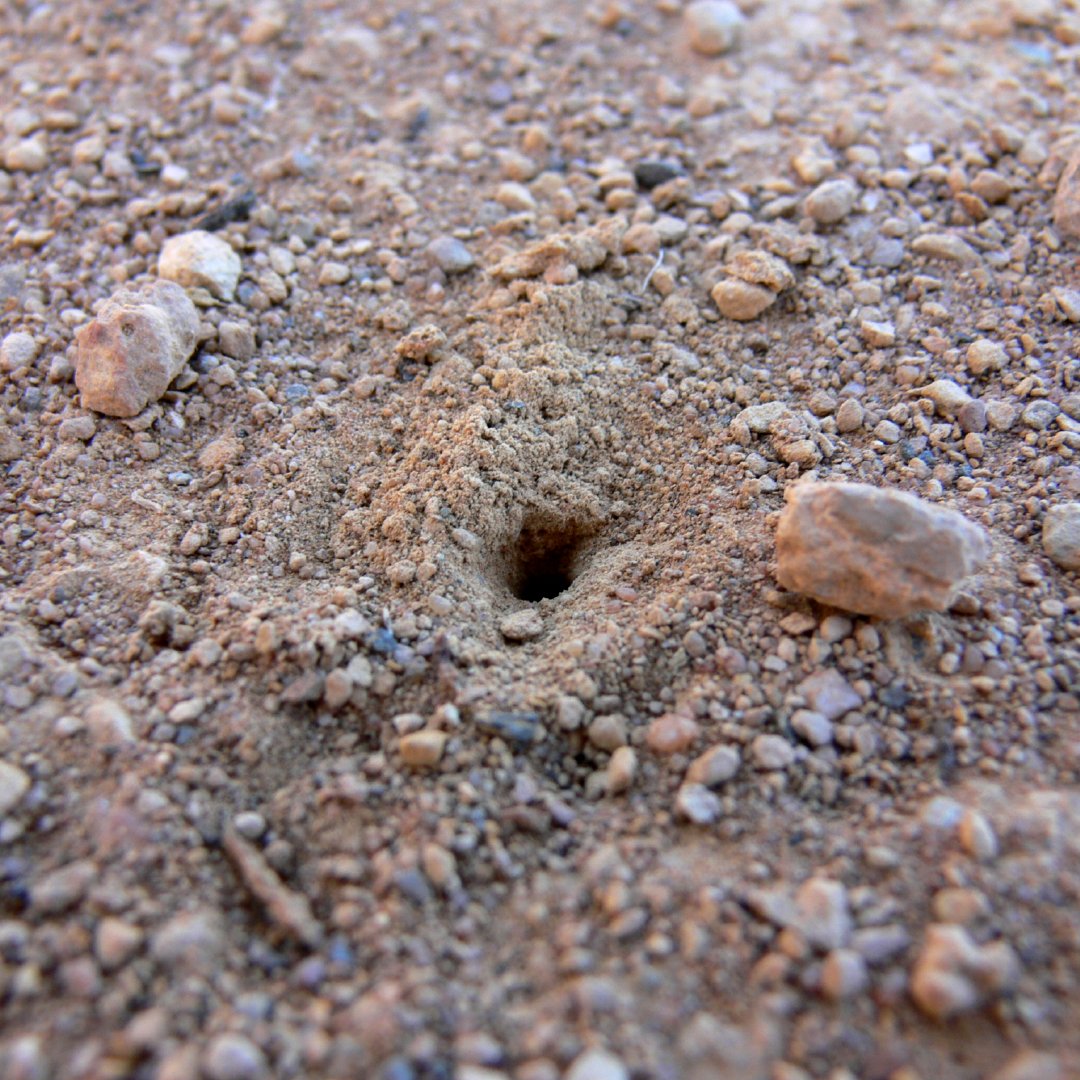
Egg-laying is also likely to occur over the coming weeks, typically in hard, bare ground where adults tend to aggregate such as:
- tracks
- fence lines
- sparsely vegetated paddocks.
These eggs will enter a winter diapause and are likely to hatch in early spring (August to September), potentially leading to a renewed increase in locust activity. Marking these areas now will assist with monitoring and management at spring hatch. It is important to note that seed treatments are not effective against locusts.