Check your cereal crops for Russian wheat aphids
Wednesday 17 June 2026 SARDIPestFacts
While the PestFacts SA team has not yet received reports of Russian wheat aphid (RWA, Diuraphis noxia) activity this season yet, recent rainfall, emerging cereal crops and the presence of green bridge hosts after the early break mean conditions are favourable for populations to establish and spread.
Don't expect to spot the aphids first
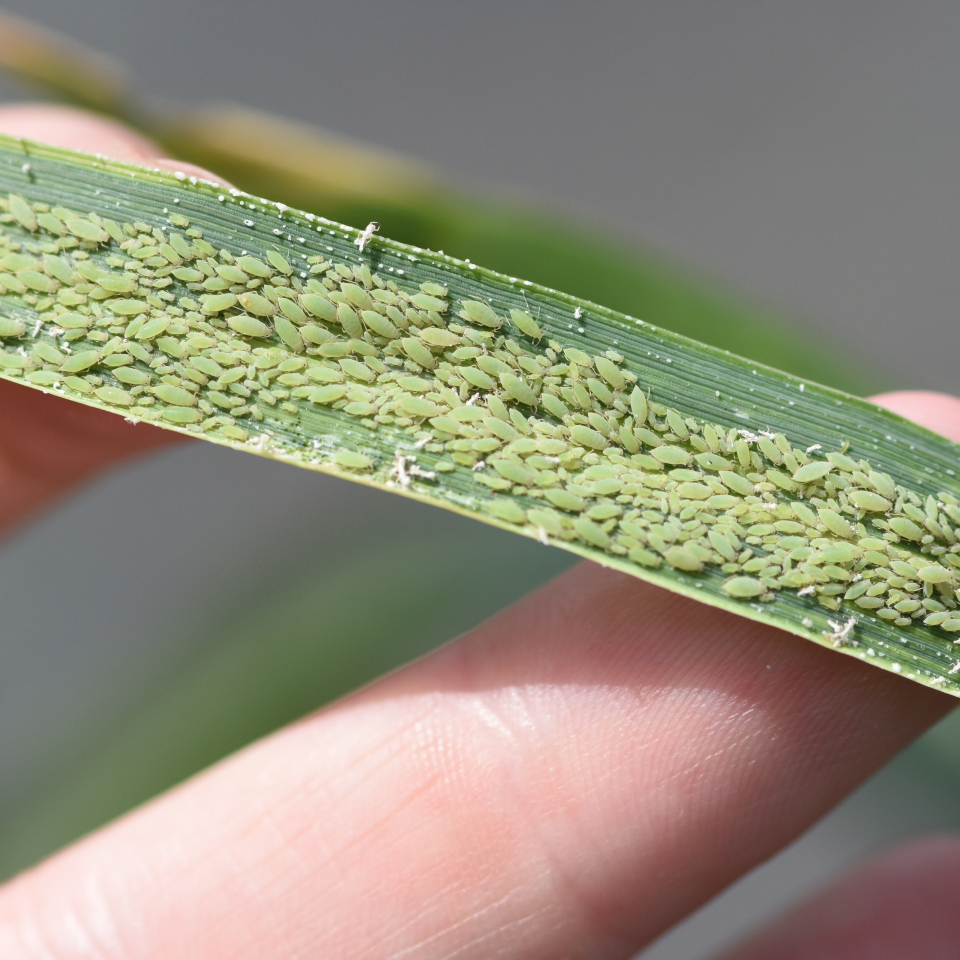
Russian wheat aphid (RWA) is a master of staying out of sight. At just 2 millimetres long, these small, pale green aphids spend much of their time hidden deep within tightly rolled cereal leaves, where they are protected from the elements and natural enemies. As a result, infestations often go unnoticed in the early stages.
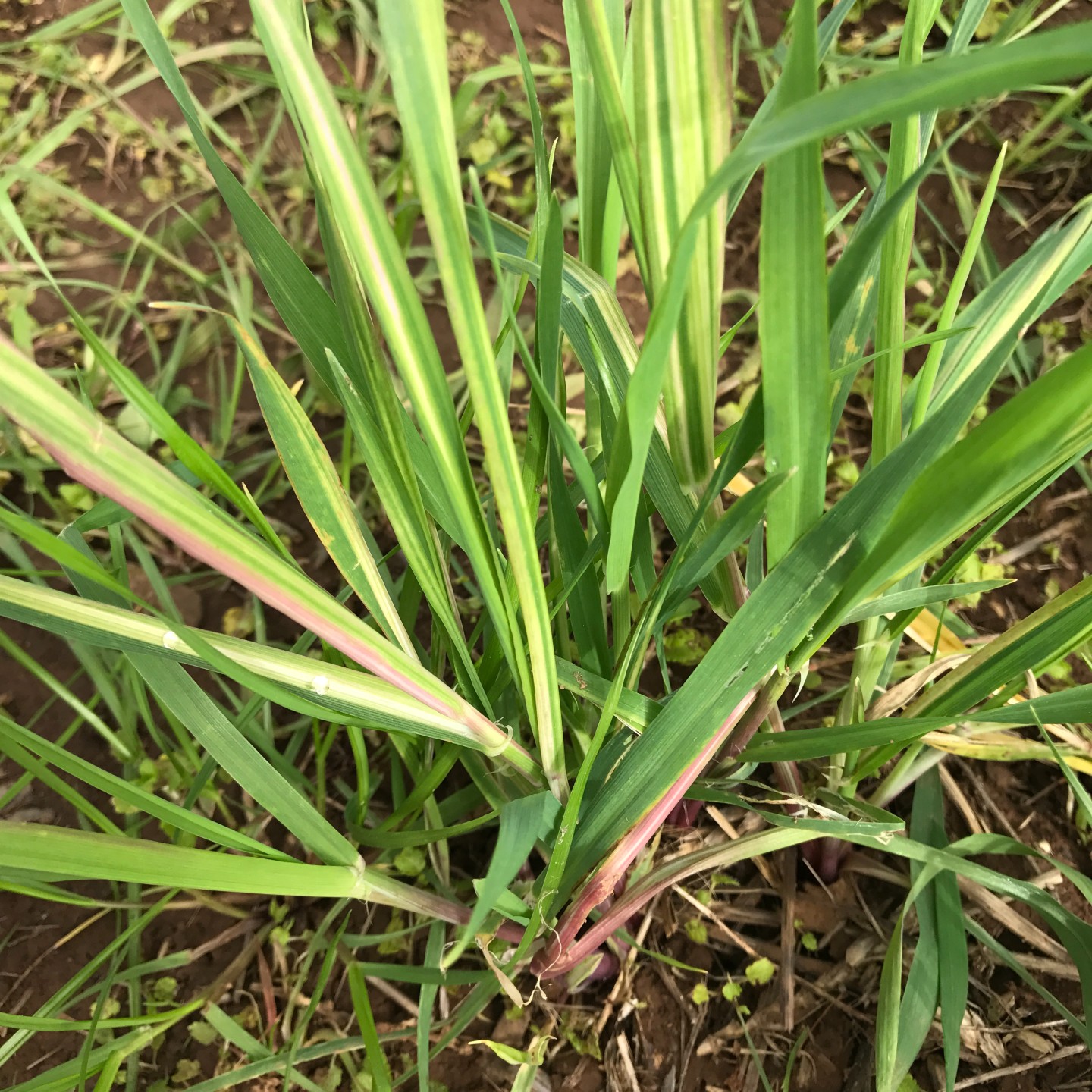
You'll likely see crop symptoms such as yellow or whitish streaks along leaves, followed by leaf rolling, before you discover the aphids themselves.
If you find symptoms, look for aphids with:
- slender, spindle-shaped bodies
- short antennae
- absence of the obvious 'exhaust pipes' seen on many other aphids
- often a fine whitish coating, giving them a slightly dusty appearance.
Watch Russian wheat aphid identification for practical tips and key features to look for in the paddock.
Early detection is the best defence
The sooner RWA is detected, the more management options are available.
Regular monitoring during crop establishment can help identify infestations before significant crop damage occurs.
Russian wheat aphid can survive between seasons on self-sown cereals and grassy weeds, allowing populations to move into newly emerging crops when conditions are favourable. You should monitor paddocks with a strong green bridge, or a history of RWA infestations.
Begin checking wheat and barley crops from stem elongation (GS30), particularly around paddock edges and areas where plants are under stress, as these are often the first places aphids establish.
Pale streaking and leaf rolling can be useful early warning signs, but these symptoms are not unique to Russian wheat aphid and can sometimes look like nutrient deficiencies, herbicide damage, mite feeding or wheat streak mosaic virus.
As populations increase, plants may become stunted and heavily affected crops can produce twisted heads or heads trapped within rolled flag leaves, resulting in the characteristic 'gooseneck' appearance.
In severe cases, heads may appear bleached and grain development can be reduced.
If symptoms are present, carefully unfurl rolled leaves and check the newest emerged leaves near the base of wheat or barley plants, as this is where RWA is most commonly found.
Aphids are often hidden deep within rolled leaves and close to the stem, making them easy to overlook during routine crop inspections.
Keep in mind that other aphid species, and occasionally insects such as earwigs, may also be found sheltering within rolled leaves, so it is important to confirm identification rather than relying on symptoms or sheltering behaviour alone.
Because infestations are often patchy, avoid relying on observations from a single location. Walk through several areas of the paddock.
Even low numbers of aphids can cause symptoms within days, and damage may remain visible long after aphids have disappeared. For this reason, management decisions should be based on the presence of aphids rather than symptoms alone.
A range of beneficial insects, including parasitoid wasps, ladybird beetles, hoverflies and lacewings, can play an important role in keeping Russian wheat aphid populations in check. Before considering chemical control options, take a moment to look for signs of beneficial activity in the crop. Aphid mummies, ladybird larvae and hoverfly larvae are all indicators that natural enemies are already at work and may help slow population growth.
Intervention may be required to prevent yield loss if aphid numbers continue to increase and exceed economic thresholds – use the RWA action threshhold calculator.
Before taking action, ensure aphids have been correctly identified, as symptoms alone can be misleading and may not always indicate an active infestation.
Before applying any insecticides always check current Australian Pesticides and Veterinary Medicines Authority (APVMA) label recommendations for registered products and consider the potential impact of insecticide applications on beneficial insects that may be helping to suppress aphids.