
Common pests at harvest and stored-grain management
Friday 31 October 2025 PestFacts

It’s a great time to check for pests that can affect grain quality or storage performance. As harvest gets underway, a few unexpected pests can turn up in windrows, header boxes, or freshly stored grain.
Checking early can help avoid grain contamination and storage issues later.
Pea weevil (Bruchus pisorum)
Pea weevils are an important pest to watch in field peas during and after harvest. Adults lay eggs on developing pods, and larvae burrow into seeds where they complete development.
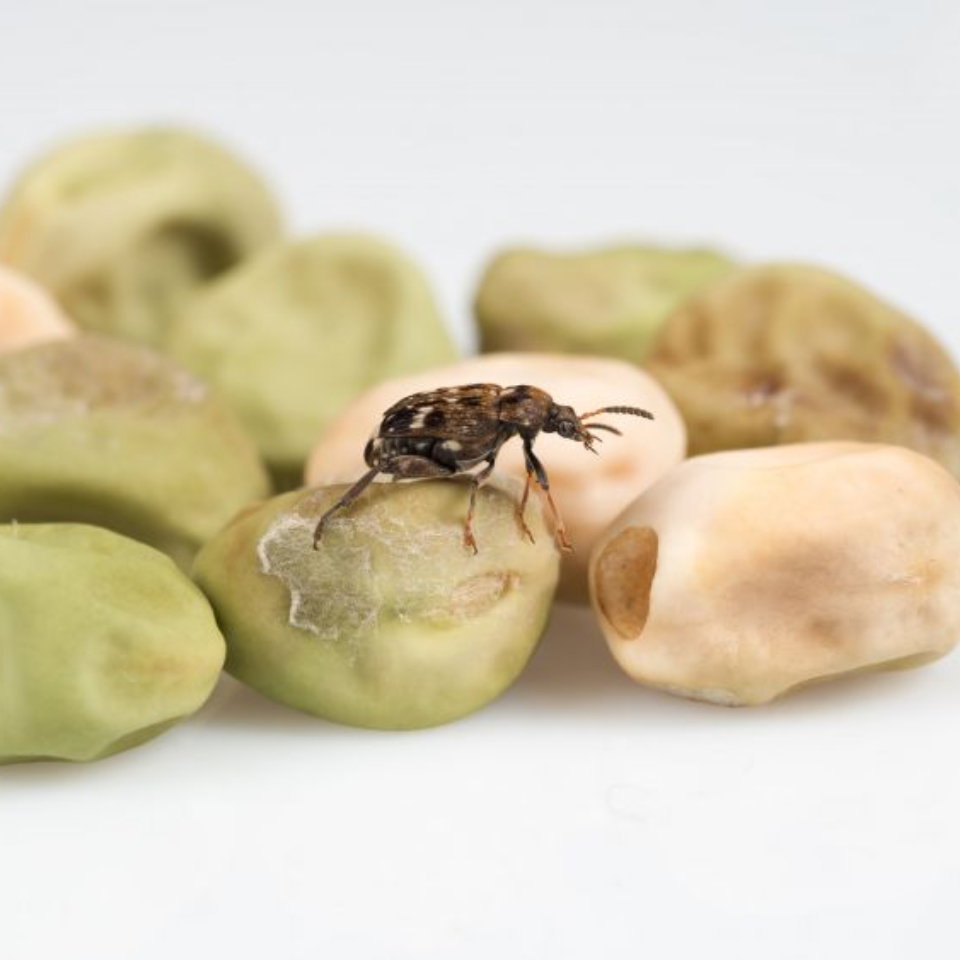
Pea weevil infestation signs
- Round exit holes (2 to 3 mm) on seed surface after adults emerge
- Small discoloured pits or chalky areas indicating larval feeding inside intact seeds
- Reduced seed weight and viability
Pea weevil management considerations
- Harvest timing: Harvest as soon as grain matures to limit adult emergence and reinfestation. Delayed harvest allows adults to leave the crop and reinfest nearby paddocks.
- Stubble management: Destroy or graze pea stubble soon after harvest to reduce carry-over.
- Fumigation: Fumigate infested grain or seed lots with a registered product to prevent carry-over of adults.
- Monitoring: Inspect pea samples for damaged or drilled holes at seed delivery and during storage.
- Rotation: Avoid planting peas adjacent to last season’s pea stubble. Emerging adults can reinfest new crops.
Stored-grain pests
When cereal grains enter storage, conditions can quickly favour pests like weevils, borers, and grain beetles.
Common offenders
Weevils (Sitophilus spp.)
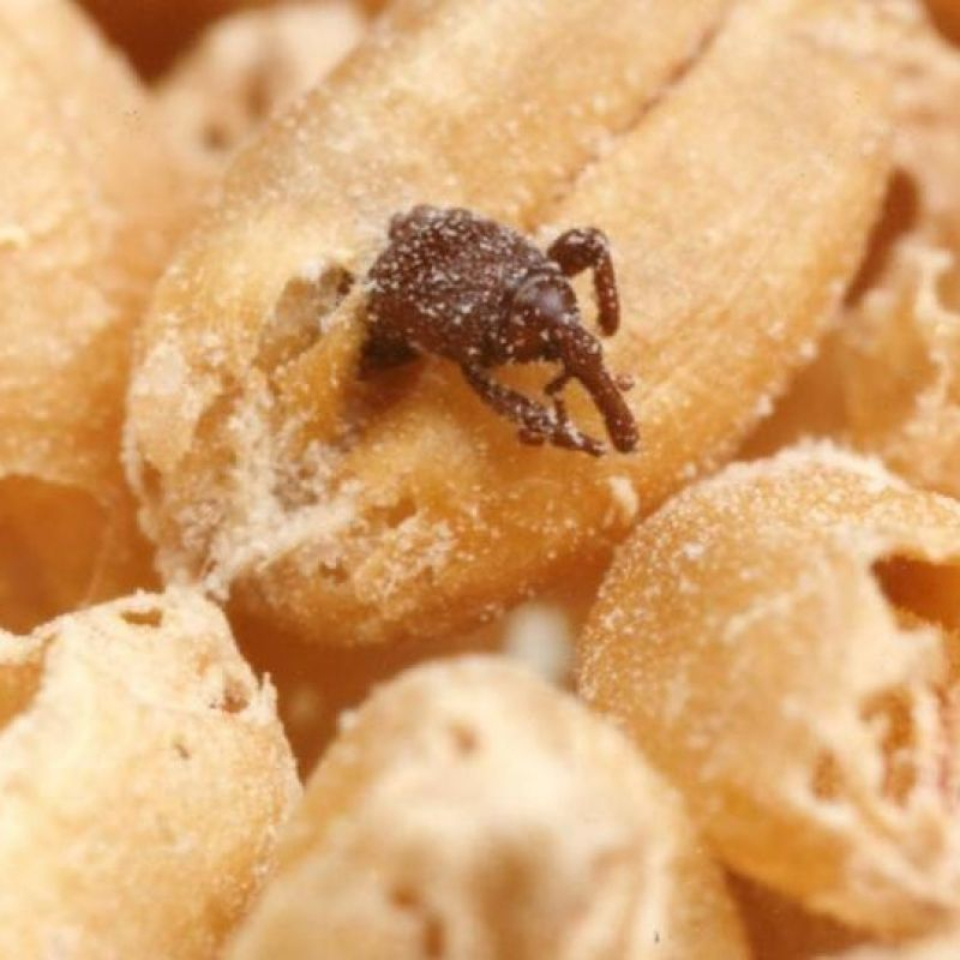
The rice weevil (Sitophilus oryzae) and maize weevil (Sitophilus zeamais) are small, dark brown beetles 2 to 4 mm long with a distinctive snout.
Adults emerge from infested kernels, leaving small round holes. Adults and larvae feed within grain, hollowing out seeds and reducing quality.
Lesser grain borer (Rhyzopertha dominica)
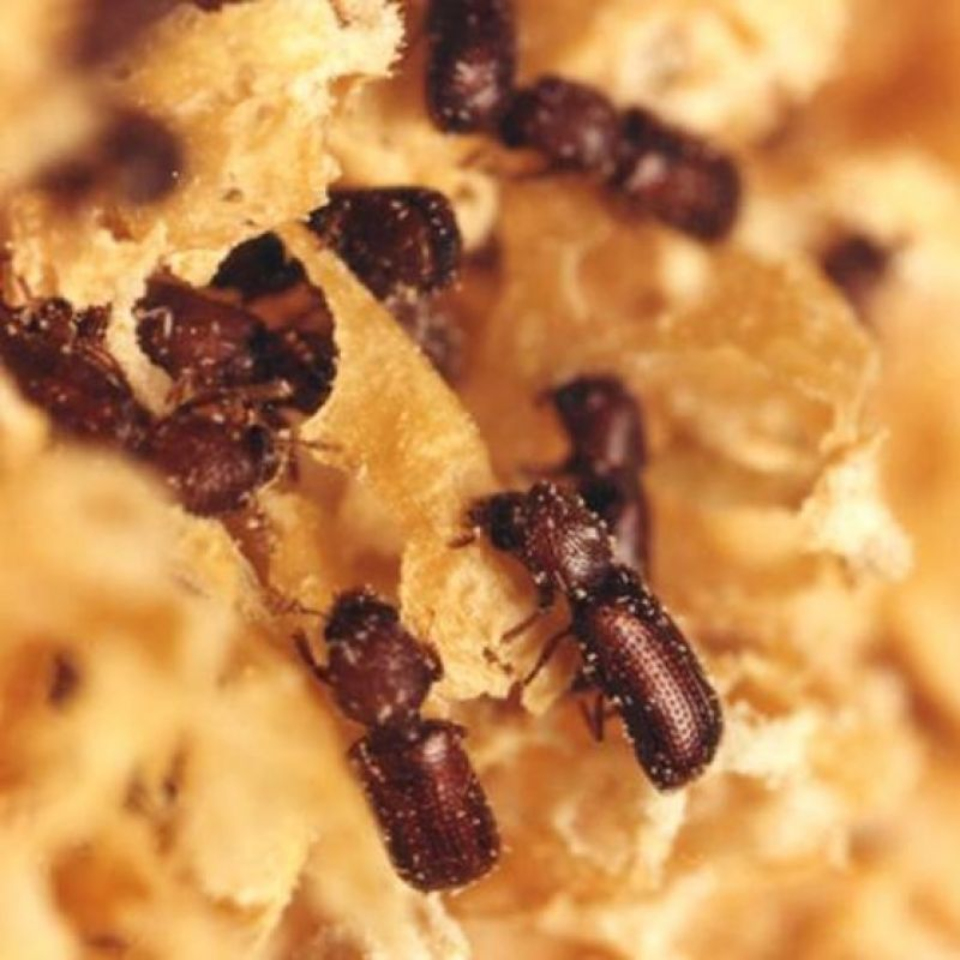
Cylindrical, dark brown beetles around 3 mm long with a 'hooded' head. Adults and larvae bore into whole grain, causing powdery residues and a sweet, musty odour.
They thrive in warm, humid silos where mould growth is common.
Flat and rust-red grain beetles (Cryptolestes and Tribolium spp.)
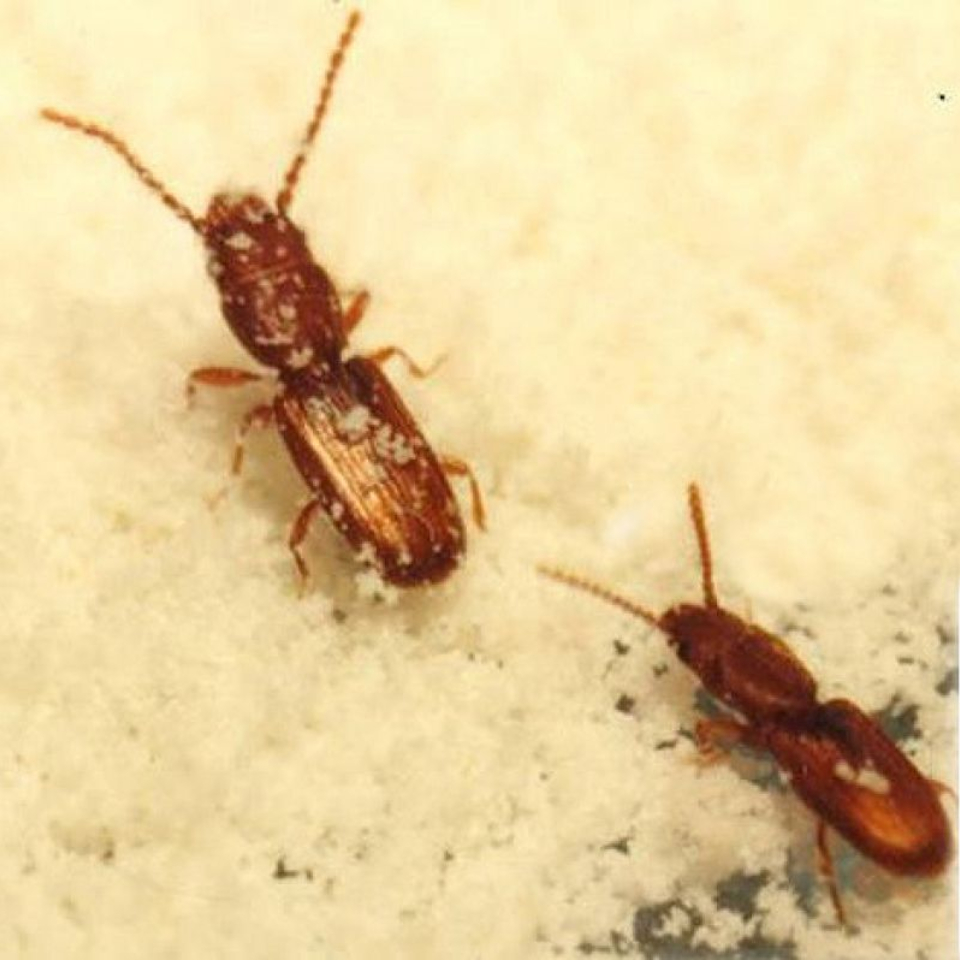
Flattened reddish-brown beetles under 3 mm in length that move quickly through grain and residues.
They feed on cracked or broken grain and flour, and heavy infestations can cause heating, caking, and odour issues in storage.
Minute mould beetle (Cryptophagidae spp.)
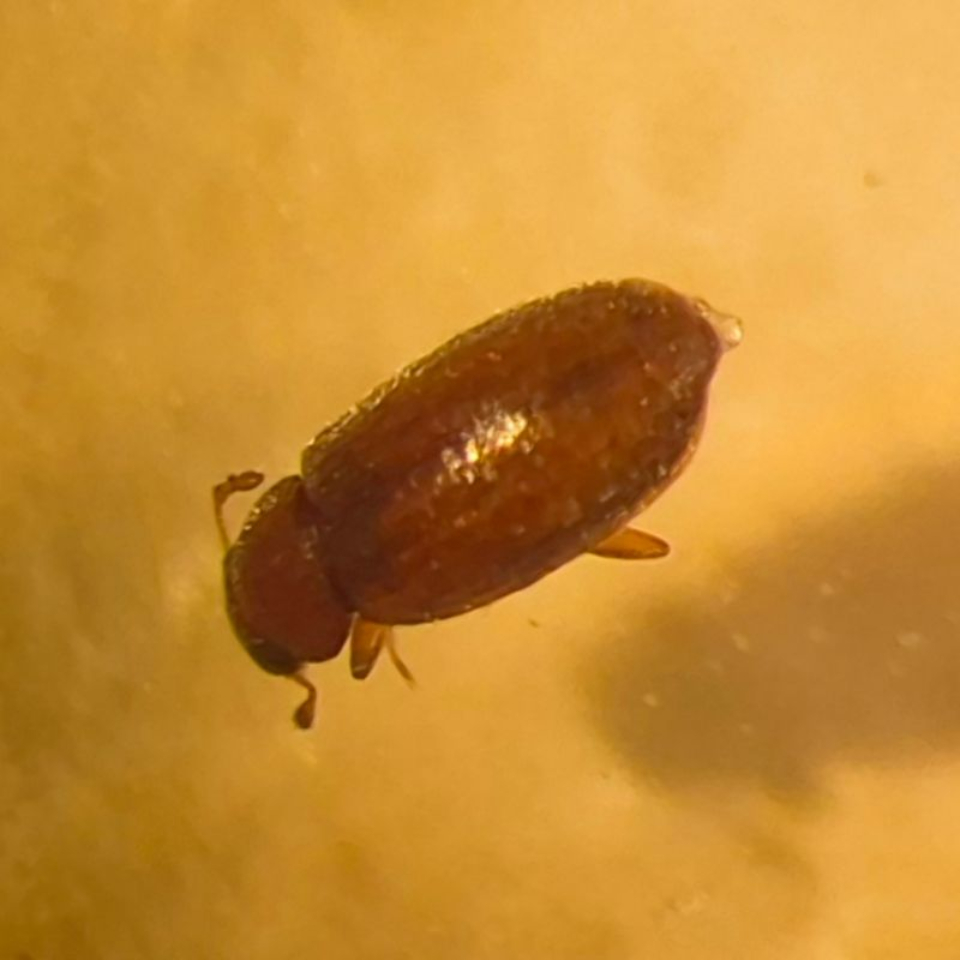
Photo by M. Ehsangar
Tiny reddish-brown beetles under 2 mm in length, commonly found where grain or residues are damp and mouldy.
They feed on fungi and decaying material rather than grain itself, but large numbers can contaminate samples and signal poor storage hygiene or excess moisture.
Prevention tips for stored-grain pests
- Clean augers, trucks, and silos before filling
- Ensure grain is below 12 and 13% moisture before storage
- Aerate grain to keep temperatures below 20°C
- Inspect grain monthly through summer using sieves or traps
- If you find live insects, only use registered treatments and follow label directions
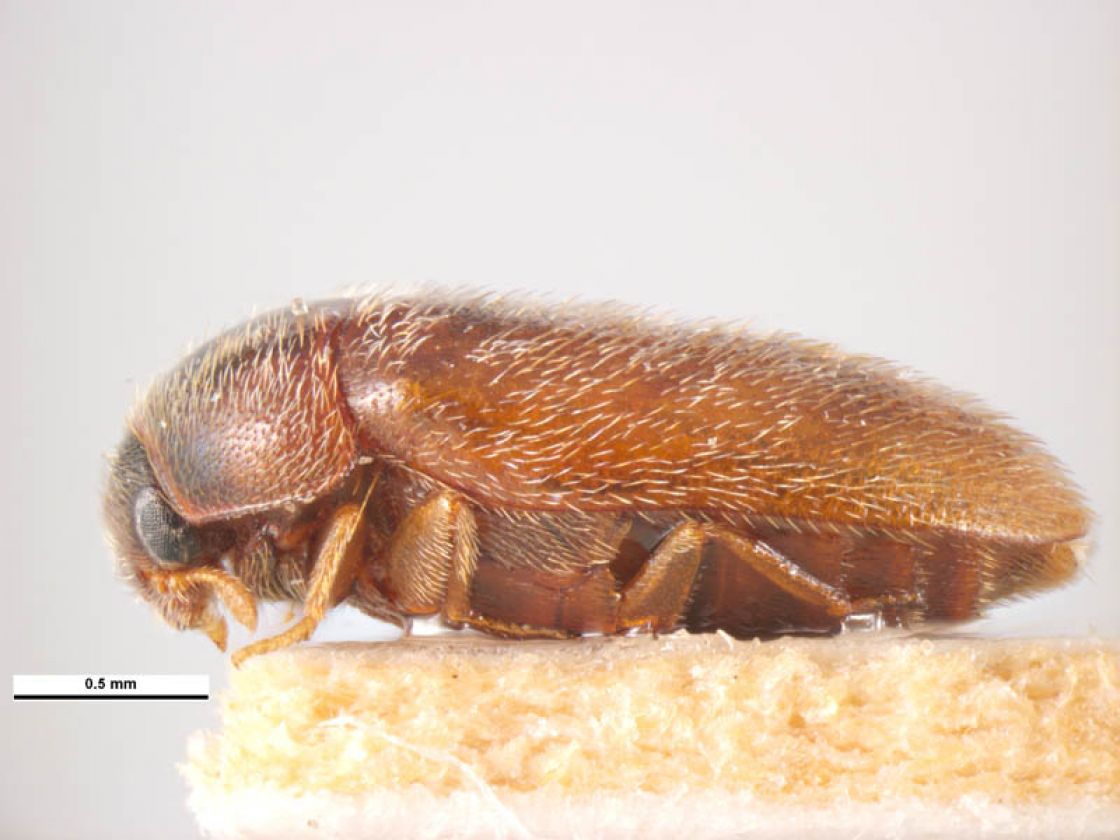
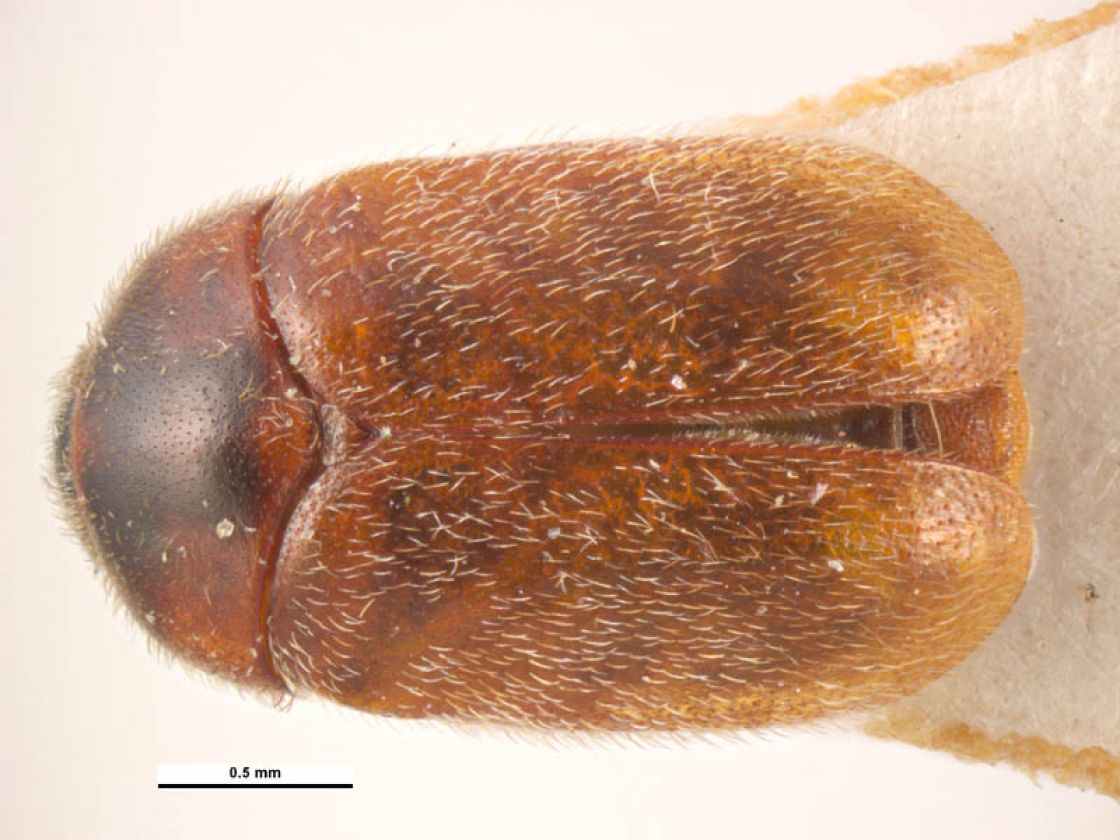
Biosecurity reminder: Khapra beete (Trogoderma granarium)
The Khapra beetle is one of Australia’s most serious biosecurity threats.
It's not established here, but you should report any suspicious Trogoderma-type larvae or beetles found in stored grain to the Exotic Plant Pest Hotline on 1800 084 881.
The Department of Agriculture, Fisheries and Forestry (DAFF) is responding to a detection in goods imported to Australia that was, luckily, detected in time.
Report to PestFacts
Maryam Ehsangar
Phone: 0448 010 339
Email: maryam.ehsangar@sa.gov.au
Maarten van Helden – Maarten van Helden
Phone: (08) 8249 0642
Email: maarten.vanhelden@sa.gov.au