
European earwigs in grain: Friend, foe, or both?
Thursday 16 October 2025 PestFacts

Finding invertebrates like European earwigs (Forficula auricularia) at harvest can provide valuable insights for monitoring next season. Towards the end of the cropping cycle, particularly in canola, you may notice increased earwig activity which, at this stage, is generally a good sign.
Earwigs are omnivorous predators, feeding on aphids and other small insects like diamondback moth (DBM) larvae. While they can cause damage to seedlings early in the season, their presence later in the crop often indicates a strong population of beneficial insects helping keep pest numbers in check.
Biology and identification
Adult European earwigs are reddish-brown and measure about 13 to 14 mm long (excluding forceps), with males having distinctly curved forceps and females straight ones. During winter and early spring, females lay eggs in underground nests, usually in clusters of 30 to 60.
Earwigs are nocturnal, foraging mostly in the first half of the night before retreating to shelter like soil cracks, bark crevices, or crop residues during the day. Weather conditions influence earwig activity, with warmer nights promoting greater movement and foraging.
Populations tend to be higher in:
- medium-to-high rainfall zones
- paddocks with retained stubble and dense ground cover, where moisture and shelter favour their survival and reproduction.
Watch Cesar Australia's video about European earwig identification and life cycle.
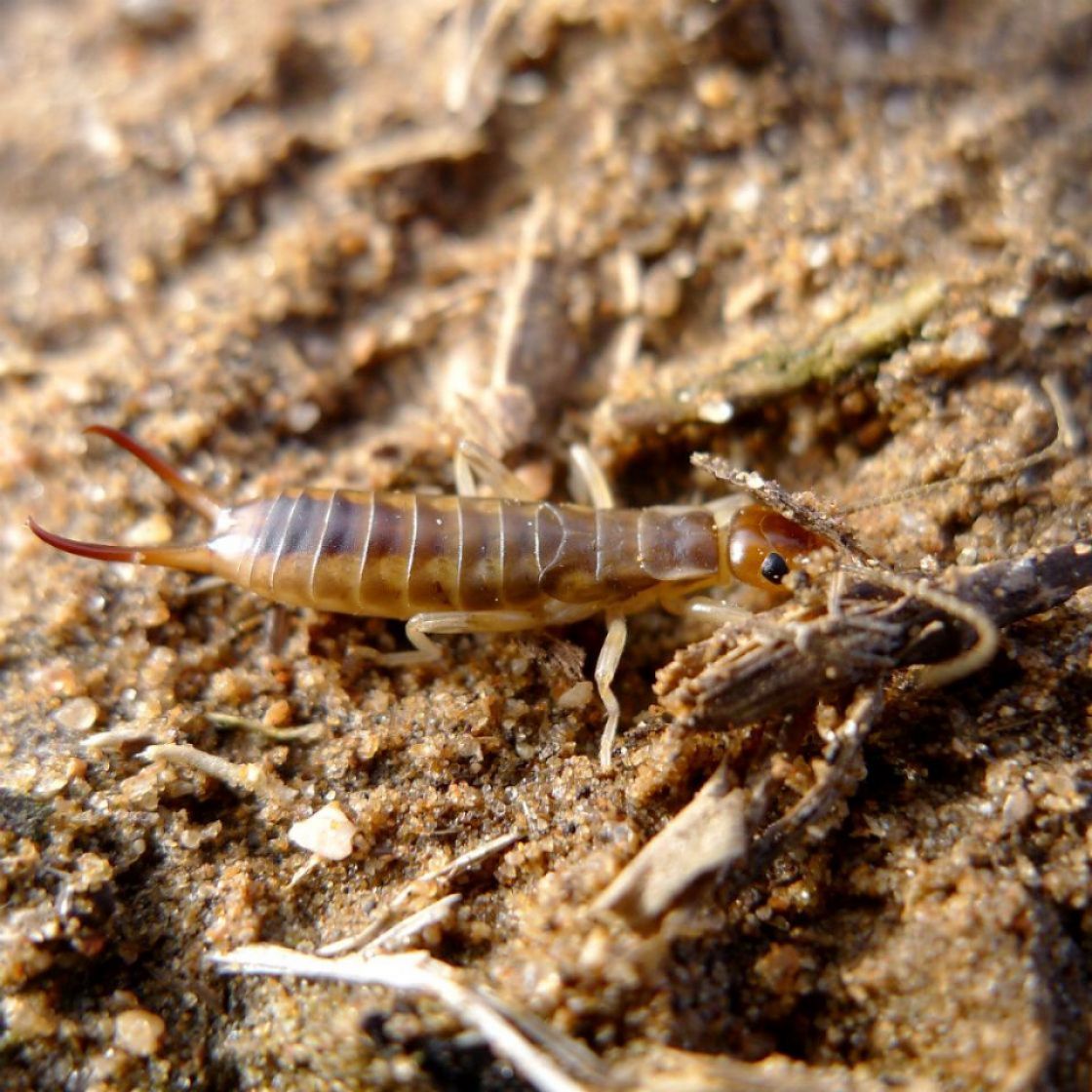
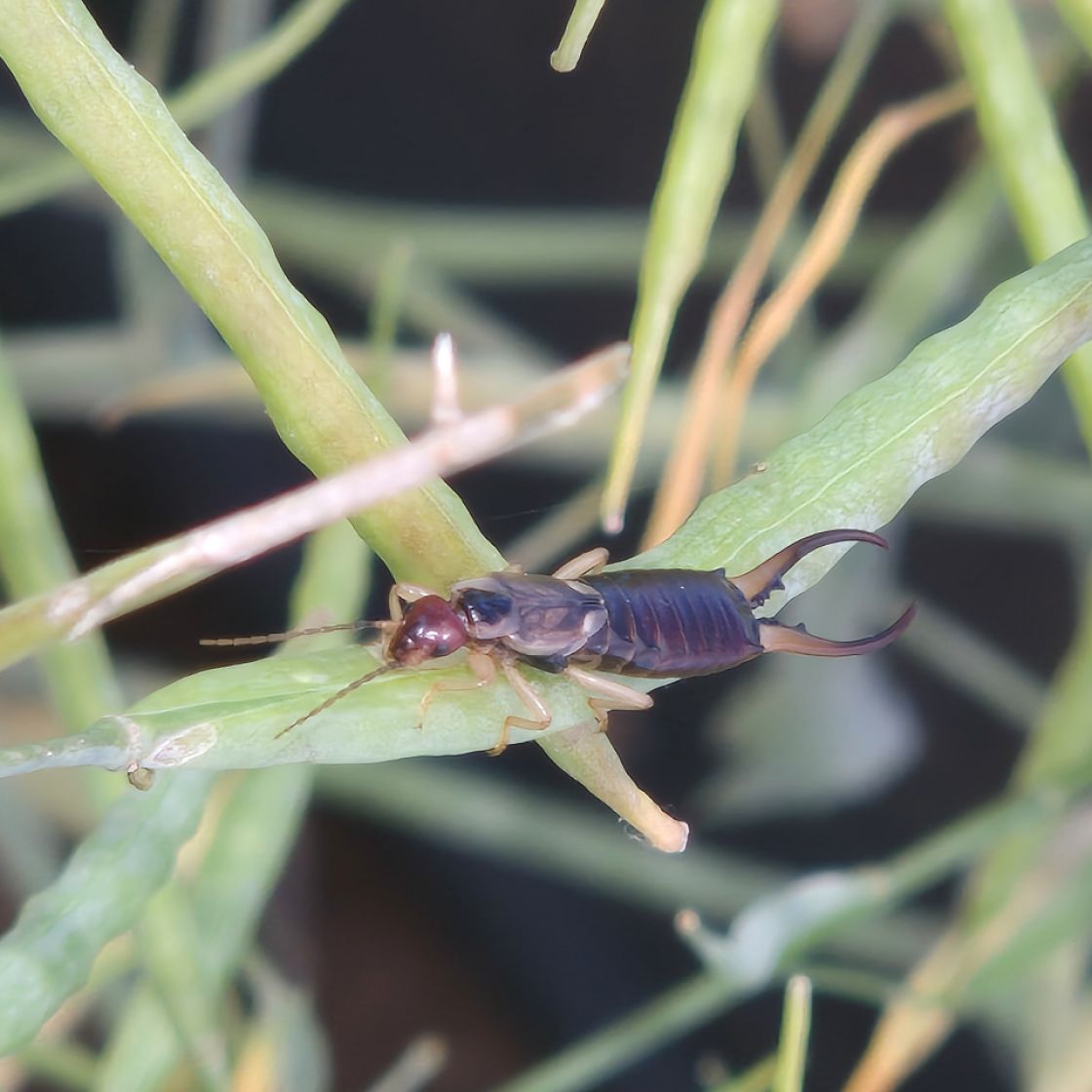
Diet: predator and pest
Earwigs are generalist feeders, with gut dissections showing both plant and animal material, including moss, grasses, lichens, and aphids.
As predators, earwigs feed on a range of small and soft-bodied pests across crop types, including aphids. This makes them potentially valuable biological control agents, particularly when combined with more specialised enemies like parasitoids and ladybirds.
As pests, they can chew leaves, cotyledons, and reproductive tissues, damaging vegetables, fruits, and emerging grain crops like canola and, occasionally, cereals.
The balance between these 2 roles depends on crop stage and alternative prey availability. For example, when aphid numbers are high in spring, earwigs are often beneficial, but during crop emergence or in low-prey environments, they may switch to feeding on seedlings.
Implications for grain growers
- Harvest finds matter: If you find high earwig numbers in stubbles or windrows, note these paddocks for targeted monitoring next autumn.
- They're not always a pest: Finding earwigs doesn’t mean control's needed. Their numbers may decline over a hot, dry summer and, in many situations, they contribute to suppressing pests.
- Resident pest risk: Like other resident invertebrates, earwigs can persist and build up in paddocks over multiple seasons if conditions favour them. Recording their presence now helps inform crop choices, cultural controls, and monitoring priorities for next year.
Monitoring earwigs
Simple traps can help you keep track of earwig activity in your paddocks:
- Pitfall traps: Small plastic vials set into PVC sleeves at ground level, filled partly with propylene glycol and left in the field for about a week to collect active insects. Place traps in small groups, 3 together in several locations across the paddock, including 1 near the edge to get a good picture of activity.
- Cardboard roll traps: Single-sided corrugated cardboard rolled into tubes helps detect earwigs hiding during the day. Insert the rolls into short PVC sleeves and place between crop or stubble rows about 2 metres from the pitfall traps. After a few days, unroll them carefully to check for earwigs and other ground-dwelling insects.
Regular checking of these traps over summer and autumn helps identify hotspots and monitor changes in earwig activity before sowing (source: Michael Nash).
References
- Biology and management of European earwig in orchards and vineyards (Orpet RJ, Crowder DW, Jones VP)
- Lifecycle of the invasive omnivore Forficula auricularia in Australian grain growing environments (Binns M, Hoffmann AA, van Helden M, Heddle T, Hill MP, Macfadyen S, Nash MA, Umina PA)
- Earwigs – an appetite for destruction or are they beneficial? (Binns M, Hoffmann A, van Helden M, Heddle T, Kirkland L, Umina P)
Report to PestFacts
The PestFacts SA team always wants to know what invertebrates you find in your crops and pastures, whether it's a pest, beneficial, or unknown species. We even want to know about the usual pests.
Please send your reports or identification requests via the PestFacts map.
Alternatively, please contact:
Maryam Ehsangar
Phone: 0448 010 339
Email: maryam.ehsangar@sa.gov.au
Maarten van Helden:
Phone: 0481 544 429
Email: maarten.vanhelden@sa.gov.au