Green bridge risk heading into sowing
Friday 20 March 2026 SARDIPestFacts
What is the green bridge?
The green bridge refers to weeds and self-sown (or 'volunteer') plants that grow between cropping seasons. These plants either remain green over summer or germinate when summer rain occurs, and provide food and shelter for pests and diseases when there is no crop in the paddock.
If not controlled before sowing, pests can move directly into emerging crops. This can result in:
- earlier infestations
- more pest generations during the season
- greater crop damage.
The hot and dry conditions across much of South Australia are naturally limiting weed growth, reducing the widespread risk from green bridges. You should still monitor irrigated paddocks, waterways, and areas around farm infrastructure which retain moisture.
Recent rainfall across northern regions of South Australia is likely to have triggered the germination of several weed species. Barley grass (Hordeum leporinum), which typically remains dormant over summer, can germinate following rainfall events from mid-January onwards, potentially contributing to a green bridge if not controlled.
Green bridge and pest risk
Pests pose the greatest risk to vulnerable emerging crops. Controlling the green bridge at least 2 weeks before sowing reduces the likelihood of pests attacking young seedlings.
If green material is still present at emergence, closely monitor crops and manage any detected pests accordingly.
Some pests are more likely to build up where a green bridge is present, including:
- Aphids, such as Russian wheat aphid (RWA) and other cereal aphids, can thrive on barley grass. Other species, particularly green peach aphid (Myzus persicae) are a key concern, not only for feeding damage but for their role in spreading viruses. They can survive on volunteer crops and weeds over summer before moving into newly sown crops.
- Diamondback moth (DBM) can multiply on wild canola and brassica weeds such as wild radish. Early infestations can damage emerging crops.
- Snails and slugs find both shelter and food in green bridges. Baiting programs are less effective when alternative green feed is available.
Green bridge and turnip yellows virus risk
Turnip yellows virus (TuYV) is one of the most significant viruses affecting canola and pulses. It survives over summer in susceptible weeds and volunteer hosts and is spread into emerging canola crops by green peach aphid.
Infection early in the season, particularly at the seedling stage, can significantly reduce crop growth and yield.
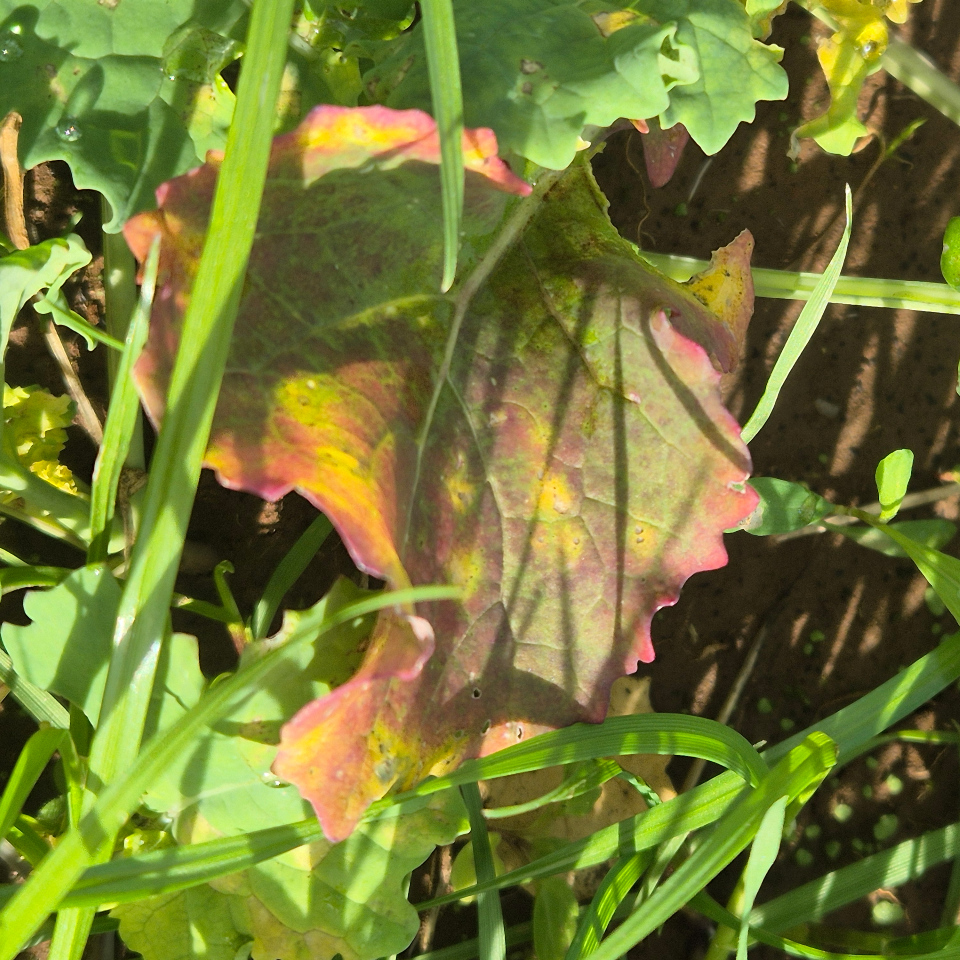
Infected plants may show symptoms such as:
- reddening or yellowing of older leaves
- stunting and reduced vigour.
Current surveillance across South Australia is detecting low risk of turnip yellows virus (TuYV) due to low numbers of green peach aphid but growers should remain vigilant. Aphids can quickly move into emerging crops and spread the virus, particularly where a green bridge has been present.
Green bridge management
Effective green bridge management involves controlling wild vegetation with practices like:
- Early weed control:
Remove weeds and volunteer crops before sowing (ideally at least 4 weeks prior) to break pest movement and reduce TuYV risk by removing both virus hosts and aphid habitat. - Managing volunteers:
Destroy self-sown and leftover plant material that may harbour pests and viruses between seasons. - Crop rotation:
Rotating crops helps disrupt pest life cycles and reduces carryover between seasons. - Monitoring paddocks:
Regular checks help detect surviving pests before they move into emerging crops. Preventing pests such as aphids during the first 6 to 8 weeks after crop emergence is critical, as this is when crops are most vulnerable to infection.
Do green bridges support natural enemies?
Over last two summers, Adelaide University PhD student Kudzaishe Precious Mavende has been extensively collecting plants from roadsides, paddocks, shelterbelts, and rest stops to monitor for parasitoid populations.
The project, supported by the South Australian Grain Industry Trust (SAGIT), aims are to identify which aphid hosts and plants that are preferred by parasitoid wasps, particularly Diaeretiella rapae. This species is known to attack over 60 different aphids globally and is a key species for Australian grain systems. Understanding where it survives outside the cropping season could help strengthen integrated pest management strategies.
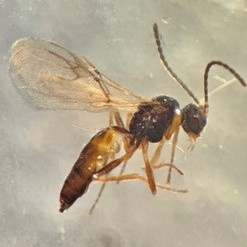
She is also monitoring Aphidiine parasitoid wasps, which are natural enemies of aphids. They attack many aphid species and help keep populations in check. Yet we still know little about how these wasps survive over summer – which species are present, and which aphids and plants they rely on.
From Kudzaishe’s work so far, 104 plant species were sampled between November 2024 and May 2025.
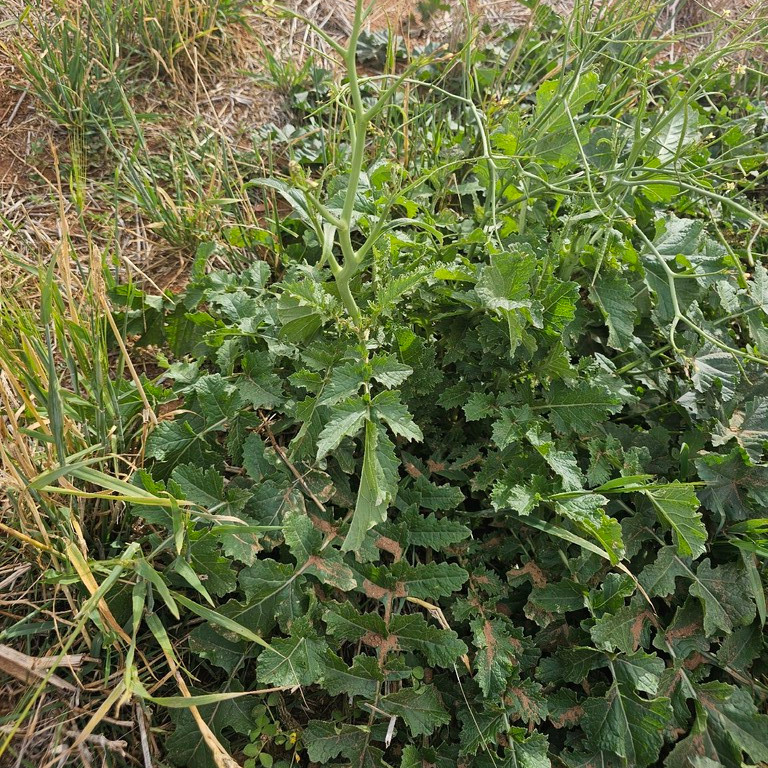
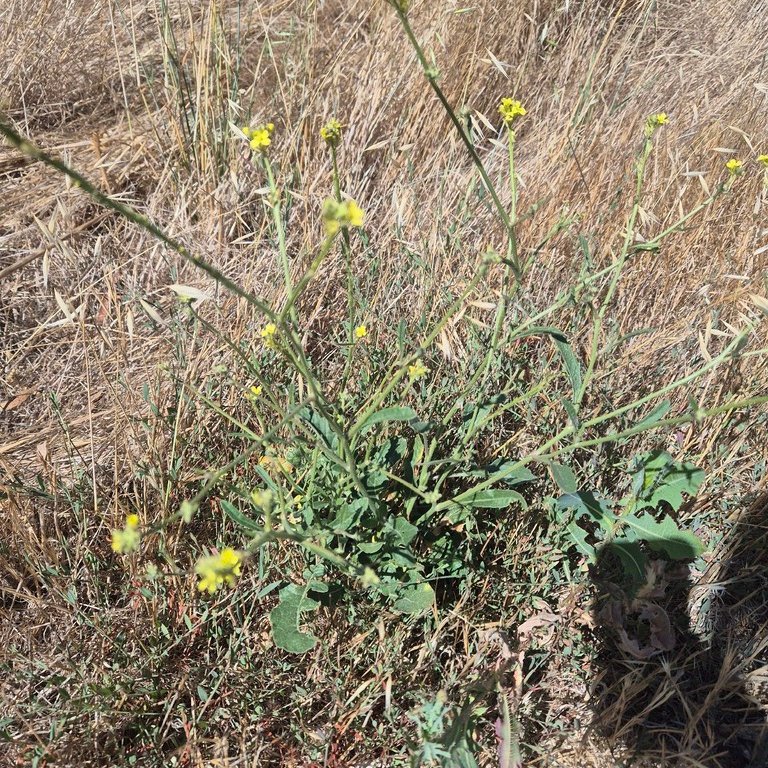
D. rapae was mainly found on brassica-type weeds, including:
- African turnip weed (Sisymbrium thellungii)
- turnip weed (Rapistrum rugosum)
It was also detected in smaller numbers on barley (Hordeum vulgare) and lucerne (Medicago sativa).
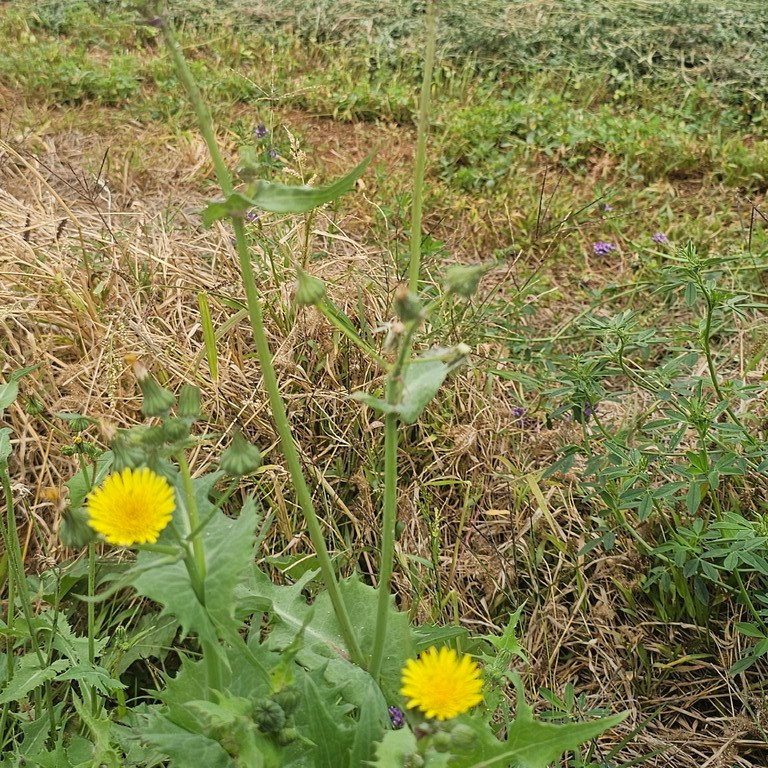
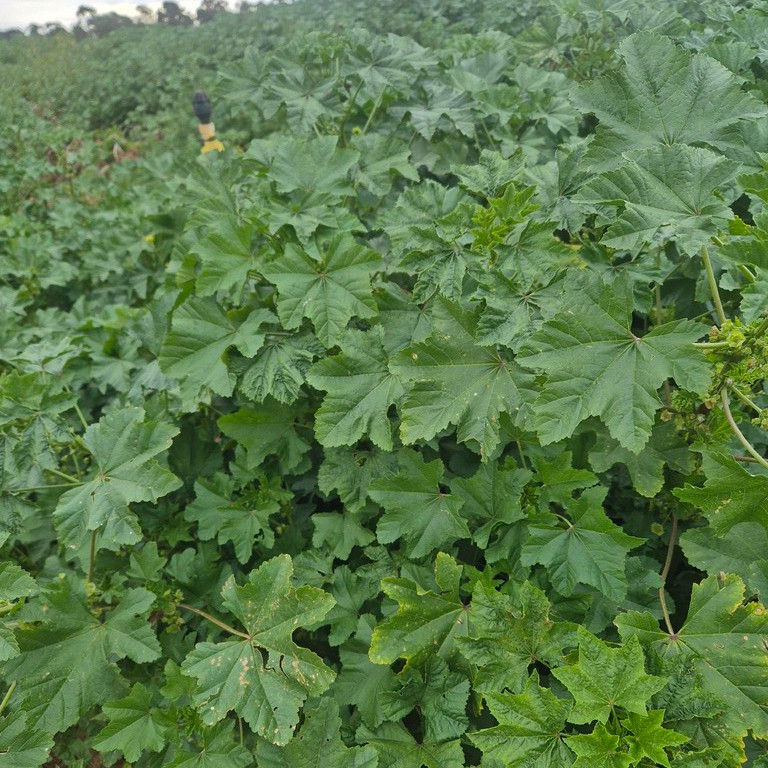
In contrast, other parasitoid species such as Aphidius sonchi, Aphidius ervi and Aphidius colemani were commonly found on a range of broadleaf weeds, including:
- common sow thistle (Sonchus oleraceus)
- marshmallow (Malva parviflora)
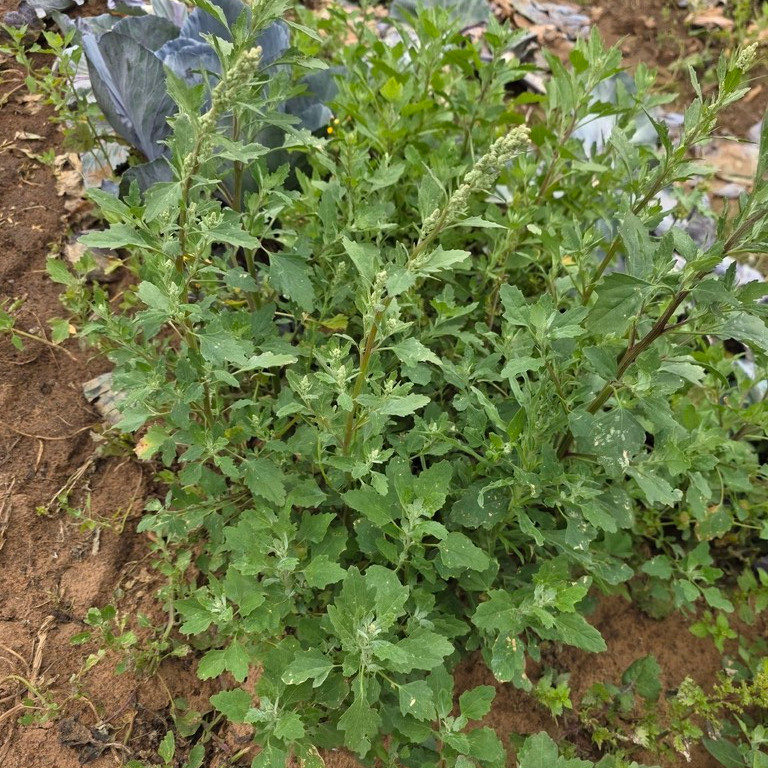
- fat hen (Chenopodium album).
These parasitoid species appear able to persist even through South Australia’s summer heat.
Get involved in this project
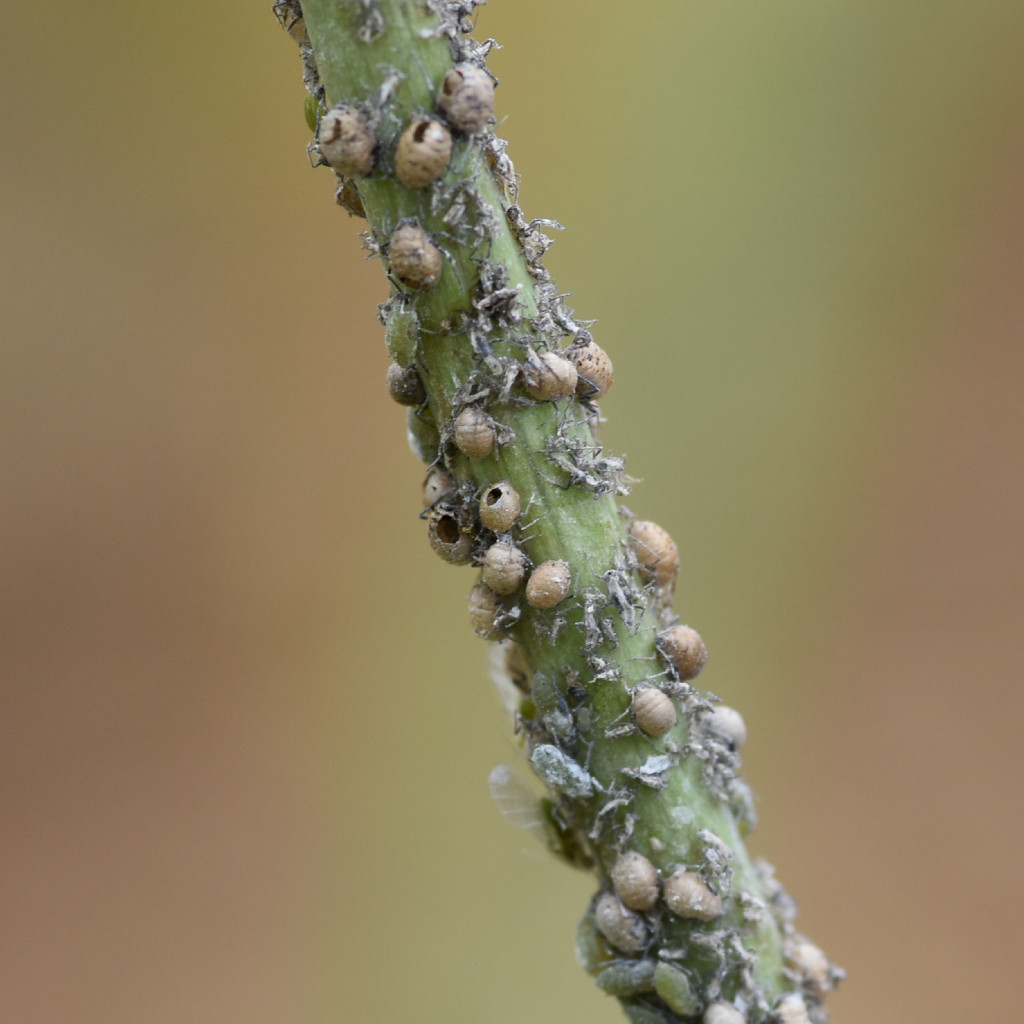
This project is ongoing, and your observations are valuable. Please send photos if you notice plants with aphids or aphid 'mummies'. Include the GPS coordinates and several images of the plant from different angles, especially clear photos of the leaves.
Please share your observations :
- Email: Precious.Mavende@sa.gov.au
- Text: 0414 020 006
- Tag Precious on LinkedIn: linkedin.com/in/preciouswasps