Helicoverpa moth monitoring network returns for 2026
Wednesday 17 June 2026 SARDIPestFacts
The PestFacts SA Helicoverpa moth monitoring network is again under way, helping growers and advisers keep track of native budworm moth activity throughout the season.
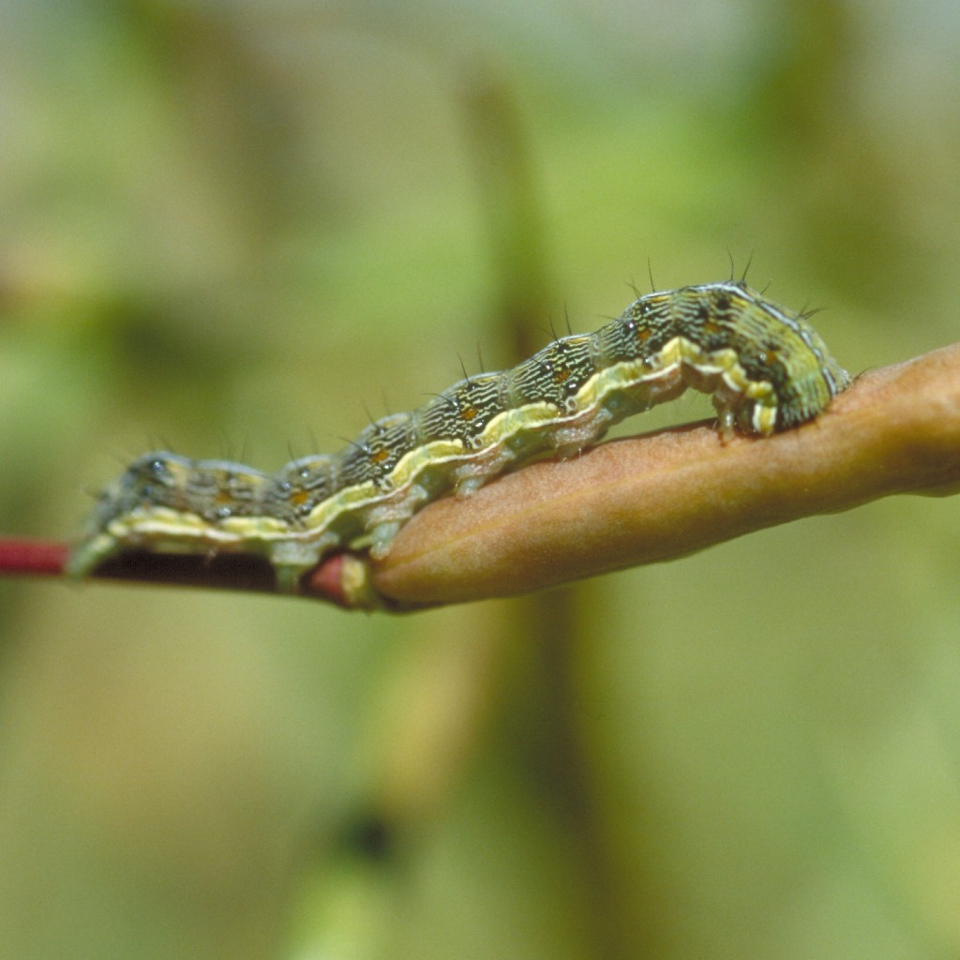
Native budworm (Helicoverpa punctigera) is a caterpillar pest with great impact in South Australia. While much attention focuses on damaging caterpillars, monitoring moth flights can provide an early indication of when egg laying and subsequent larval activity might occur.
Why monitor moth flights?
Native budworm moths are highly mobile and capable of travelling long distances on seasonal weather systems. Many of the moths that eventually appear in South Australian crops originate from inland areas, where favourable rainfall and host plants can support population build-up before moths migrate into southern cropping regions.
This year's late-summer rainfall created ideal conditions for green bridge vegetation to persist across many regions of South Australia, giving native budworm the opportunity to survive and reproduce before crops were established.
As these hosts begin to dry down, moths may move into nearby cropping areas in search of suitable plants for egg laying.
For this reason, moth activity in one region can sometimes provide an early indication of risk elsewhere.
While trap captures do not directly predict crop damage, they can highlight periods of increased moth movement and help growers plan crop inspections.
Increased moth activity may indicate a higher likelihood of egg laying in susceptible crops, particularly flowering and podding pulse crops.
While pheromone traps are useful for detecting moth flights, they should always be used alongside paddock monitoring.
The presence of moths does not necessarily mean damaging caterpillar populations will develop, as survival depends on a range of factors including weather conditions and crop growth stage.
Regular crop inspections are essential, particularly as crops begin flowering and podding. Monitoring for eggs and small caterpillars can help identify infestations before economic damage occurs.
Help us track native budworm activity
The strength of the PestFacts SA monitoring network comes from the observations shared by growers and advisers.
If you are seeing increased moth activity, egg laying or caterpillars in crops, please share your observations and photos with the PestFacts SA team.
These reports help us build a clearer picture of pest activity across the state and provide timely information to support informed management decisions throughout the season.