
Managing snails at harvest and beyond
Friday 31 October 2025 PestFacts

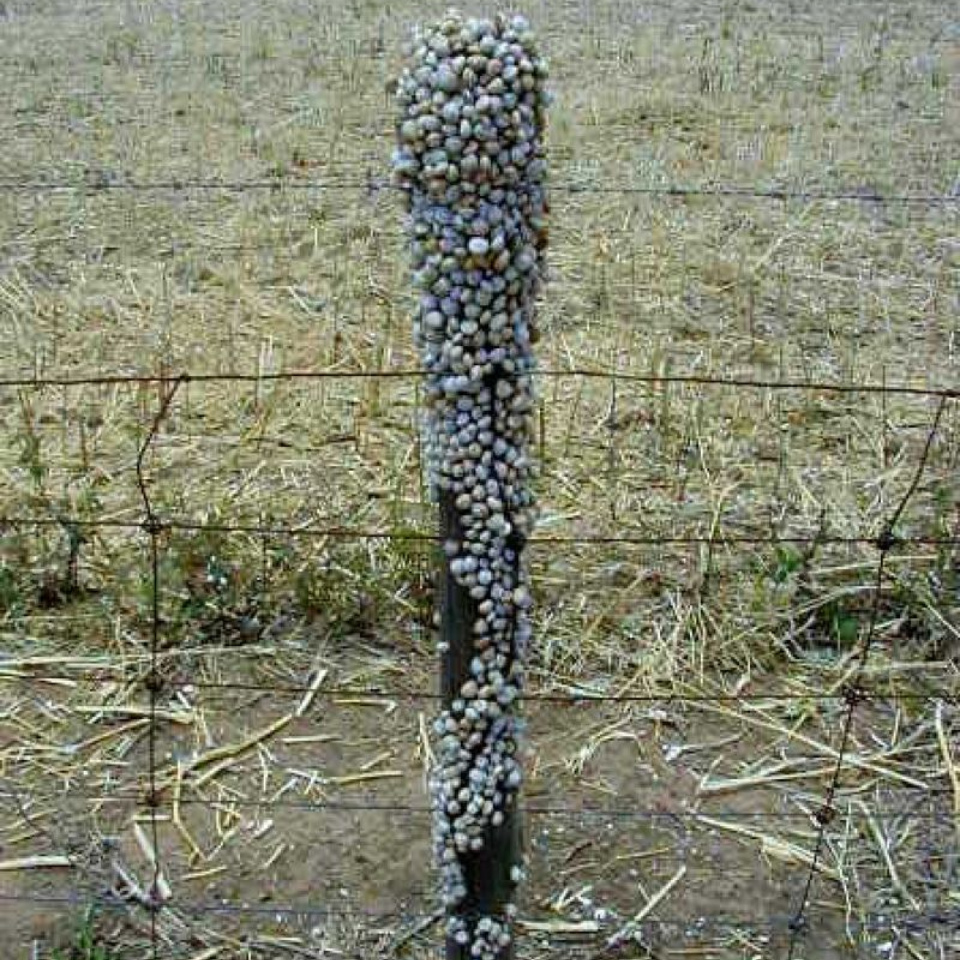
It’s important to keep snails in check as harvest approaches. You should assess paddocks to gauge if snails are likely to affect grain quality and take steps to ensure clean grain delivery.
It's also a good time for planning how to reduce snail numbers ahead of next season. A combination of cultural, chemical, and biological tactics works best, starting soon after harvest and continuing through summer.
Here are some practical steps you can take to manage snail populations.
Harvest and post-harvest management
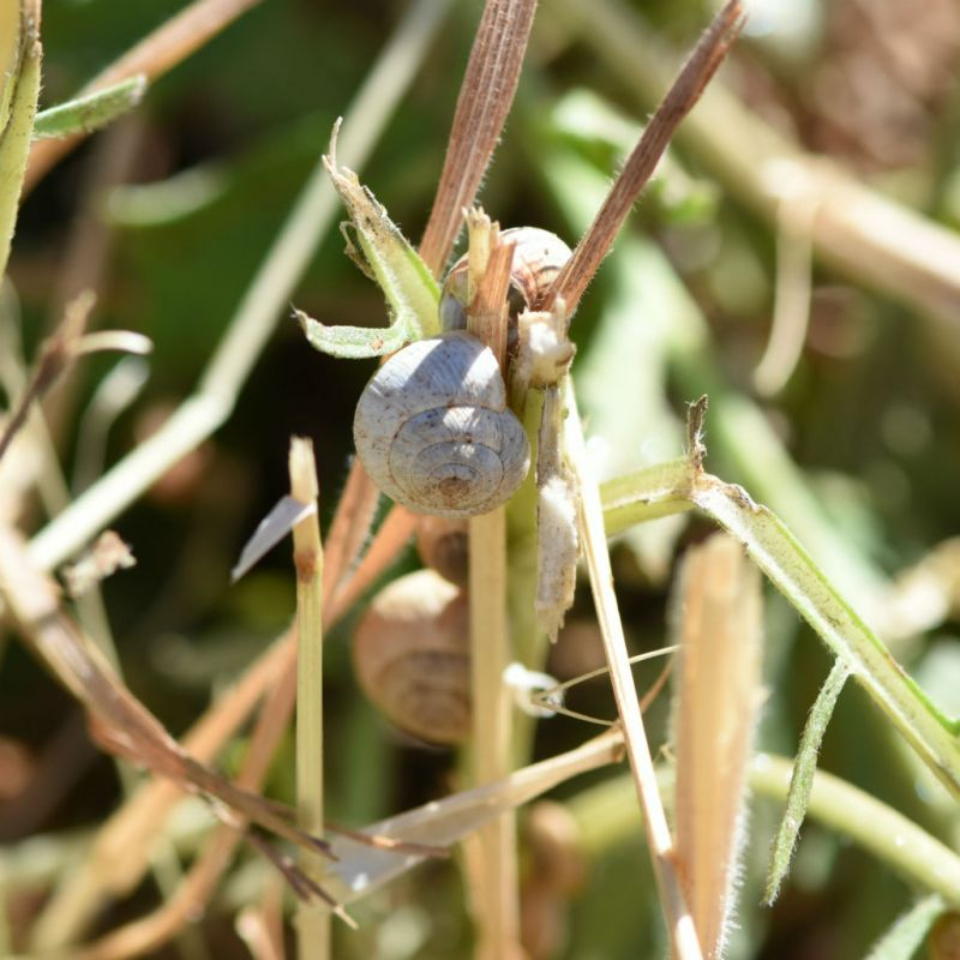
Ensure clean grain delivery by checking for snail contamination in crop headers, bins, and grain lots. Clean equipment, screen out snails, and consider mechanical cleaning or screening of grain to remove snails (especially the smaller, cryptic conical snails).
Flatten stubble after harvest to reduce vertical refuges and knock snails onto the soil surface where many will dehydrate. This flattening can also physically crush snails.
These tactics are most effective on hot, sunny days, ideally when maximum temperatures exceed 35°C (and ground temperature approaches ~55 °C) and followed by more hot days.
You may need to repeat the process more often in milder temperatures.
Integrated and year-round management
In regions with heavy infestations, reducing refuge areas like fence lines, rocky outcrops, and grassy field margins can help lower snail populations. Fence-line rolling and summer burning (where safe and permitted) can further reduce refuges, though only use burning cautiously to avoid soil degradation.
Summer weed control also supports long-term management by removing alternative food and shelter sources for snails and other resident pests. It's most effective when done before other cultural practices, which may be less successful when weeds are present.
Baiting
Baiting remains a key control option after harvest and into late autumn, particularly in areas with high snail pressure. Applying bait after summer weeds have been controlled and before egg-laying begins helps achieve the best results.
To maximise effectiveness:
- use snail mats or tiles to monitor population and activity
- choose a suitable bait product from current product-selection guides (metaldehyde, iron EDTA, or iron phosphate formulations)
- apply bait when snails are active (warm, humid evenings, or after light rain)
- maintain sufficient bait points by reapplying if pellets break down or are consumed
- broadcast pellets evenly using a calibrated spreader
- avoid application during very hot (more than 40°C) or wet weather
- store bait in cool, dry conditions over summer to prevent degradation.
Using these options at harvest and immediately post-harvest will help deliver clean grain now, reduce harvest problems (machine clogging, downgrades), and lay the groundwork for lower snail pressure next season.
More information
Read:
Watch: Nail the snails: An ID guide
Listen: Nail the snails: An ID guide, GRDC podcast
Report to PestFacts
Maryam Ehsangar
Phone: 0448 010 339
Email: maryam.ehsangar@sa.gov.au
Maarten van Helden – Maarten van Helden
Phone: (08) 8249 0642
Email: maarten.vanhelden@sa.gov.au