
Recent rain has snails and slugs moving: what it means for your crop
Wednesday 8 July 2026 SARDIPestFacts
After several relatively dry seasons, many growers have become adapted to seeing lower snail and slug activity. This year, however, has been different. Late summer and autumn rainfall created favourable conditions for snails and slugs to survive and become active earlier, while continued rainfall through winter has maintained the moist conditions they need to feed and reproduce.
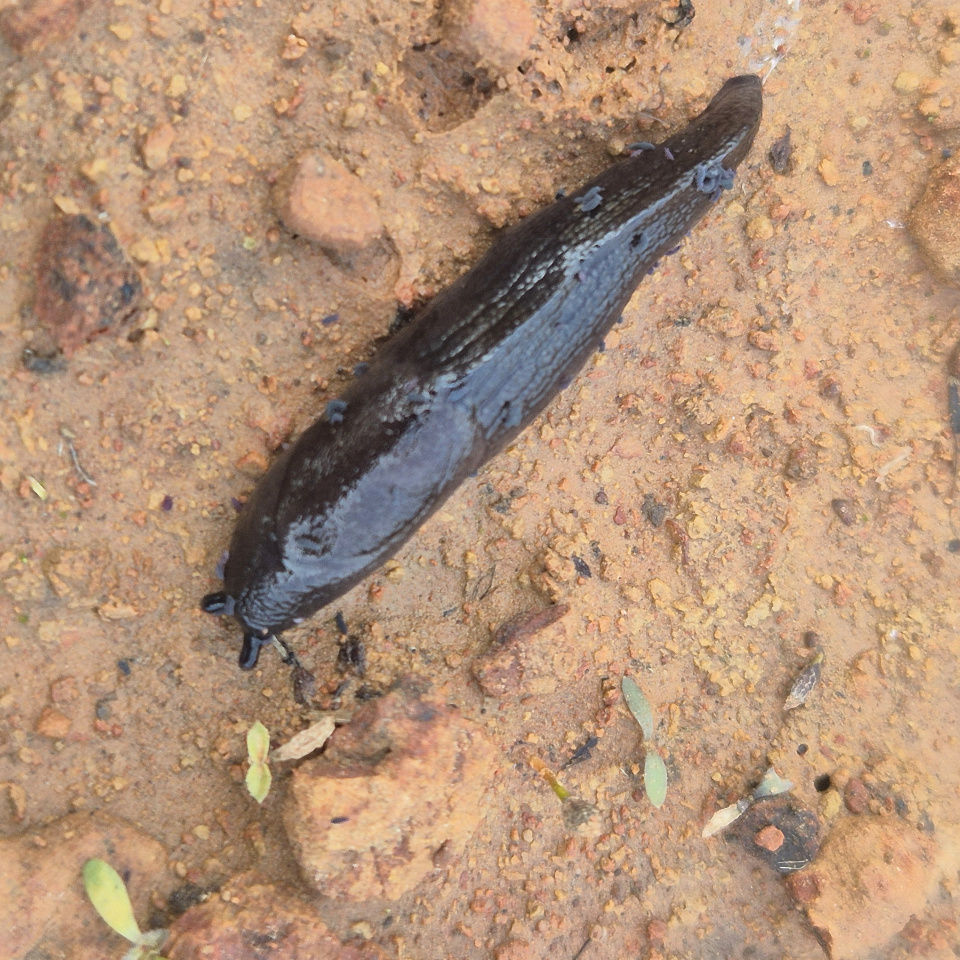
According to observations from Adelaide University's Dr Michael Nash, in the South East slug pressure this season has been noticeably higher than in recent years. He has seen heavy infestations in some paddocks, with slugs causing significant damage in susceptible clover crops despite repeated baiting.
Michael believes the high slug numbers are likely the result of populations carrying over from last spring, combined with favourable seasonal conditions that have supported survival and activity.
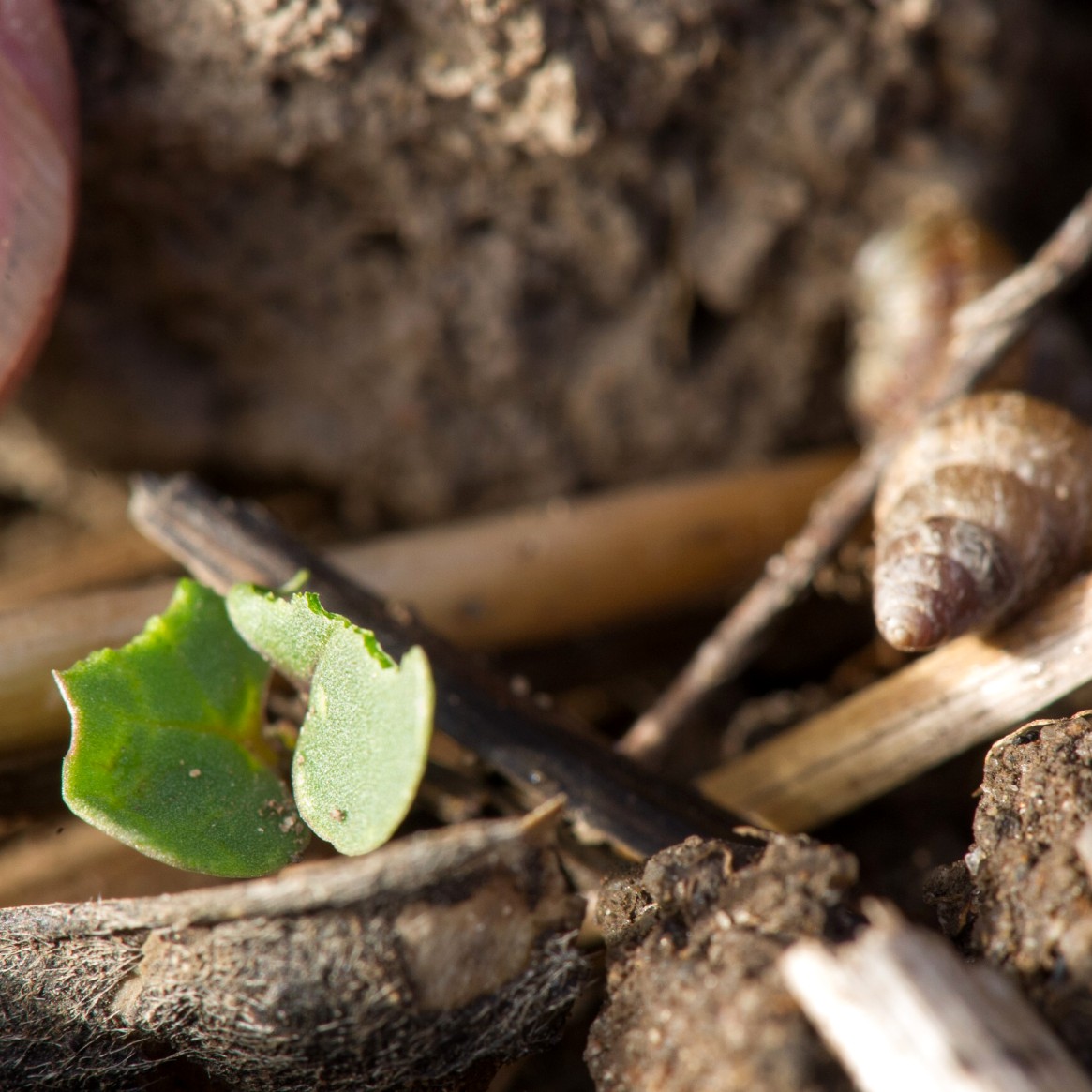
He also noted that while small pointed (conical) snails continue to be present in canola paddocks, most crops have now grown beyond their most susceptible establishment stage, reducing the overall risk of economic damage.
His observations reinforce an important message for growers: every season is different. Even after several years of relatively low snail and slug activity, favourable conditions can quickly lead to population increases, particularly in paddocks with a history of these pests.
Monitoring and assessing the risk before taking action
Recent weather condition provide a good opportunity to reassess snail and slug activity, particularly in paddocks with a history of infestations. However, don't base management decisions on pest numbers alone.
Inspect crops early in the morning, late in the evening or on overcast days when snails and slugs are most active. Check beneath stubble, rocks, clods of soil and other sheltered areas, paying particular attention to paddock edges, heavier soil types and patches where crop growth is uneven. Also look for signs of recent feeding, such as rasped leaves, shredded seedlings or young leaves, slime trails, and snails or slugs sheltering around the base of plants.
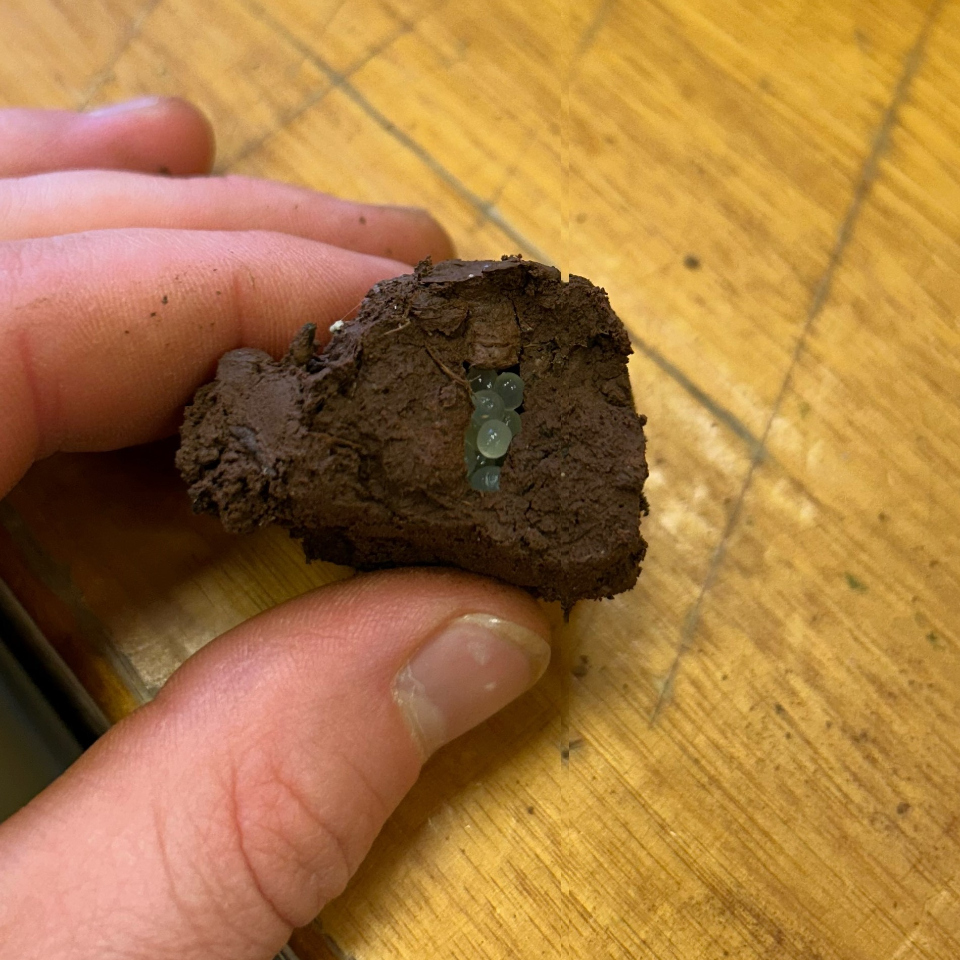
For snails, timing is an important consideration. By now many adult snails have already laid a large proportion of their eggs, so focus your management on protecting crops that remain vulnerable and identifying paddocks with persistent snail populations. These populations may require an integrated management approach later in the season, to minimise grain contamination at harvest and reduce pressure next autumn.
Slugs are a different story. They remain active for as long as cool, moist conditions persist and can continue feeding throughout winter, particularly in late-sown, poorly established or waterlogged crops. However, slug activity slows when temperatures fall below about 8°C, so feeding and bait uptake may be reduced during colder periods.
If baiting is required, don't assume the bait has done its job. Check paddocks after application to ensure pellets are still present and accessible. Continued wet weather can cause bait pellets to break down more quickly, reducing their persistence and the availability of the active ingredient. Recent research has shown that in paddocks with high slater activity, bait pellets can be removed or hidden beneath stubble, potentially reducing their availability to slugs and affecting control. Monitoring bait performance after rainfall is therefore just as important as monitoring slug activity.
Finally, use this season as an opportunity to identify high-risk paddocks. While many crops have now grown beyond their most vulnerable stage, paddocks with consistently high snail or slug numbers should be recorded. The favourable seasonal conditions experienced this year have not only supported higher survival and activity but have also provided ideal conditions for reproduction and egg laying. As a result, paddocks with high populations this winter may experience increased snail and slug pressure next season if favourable conditions continue. Keeping records of where high populations occur will help prioritise monitoring and management strategies in future years.
Acknowledgment
Thank you to Dr Michael Nash and Dr Thomas Heddle, Adelaide University, for sharing field observations and seasonal insights which contributed to this article.