Watch for stubble pests during crop establishment
Thursday 7 May 2026 SARDIPestFacts
February's rainfall in parts of South Australia has resulted in increased green bridge and retained moisture in paddocks, creating favourable conditions for a range of invertebrates. As a result, pests such as earwigs, millipedes, slaters (pill bugs) and weevils may increase activity in some areas.
While many of these species primarily feed on decaying organic matter or other invertebrates, their presence at crop establishment can pose a risk. Early-sown crops – particularly canola and pulses – may be more vulnerable where there are high pest numbers with little else to eat. In these situations, pests may shift from feeding on stubble to attacking emerging seedlings, leading to patchy establishment.
Paddocks with a history of stubble pests, high residue loads, or strong green bridge are at greater risk this season.
Monitoring during the establishment phase is particularly important, especially in early-sown crops and in areas where summer rainfall has supported higher pest activity.
European earwig
The last few dry years have not been favourable for earwigs, but this year might be different. Early rains this season might result in higher numbers of earwigs in paddocks, and they are likely to cause seedling damage.
Earwigs are nocturnal and shelter during the day under stubble, soil clods, and surface residues.
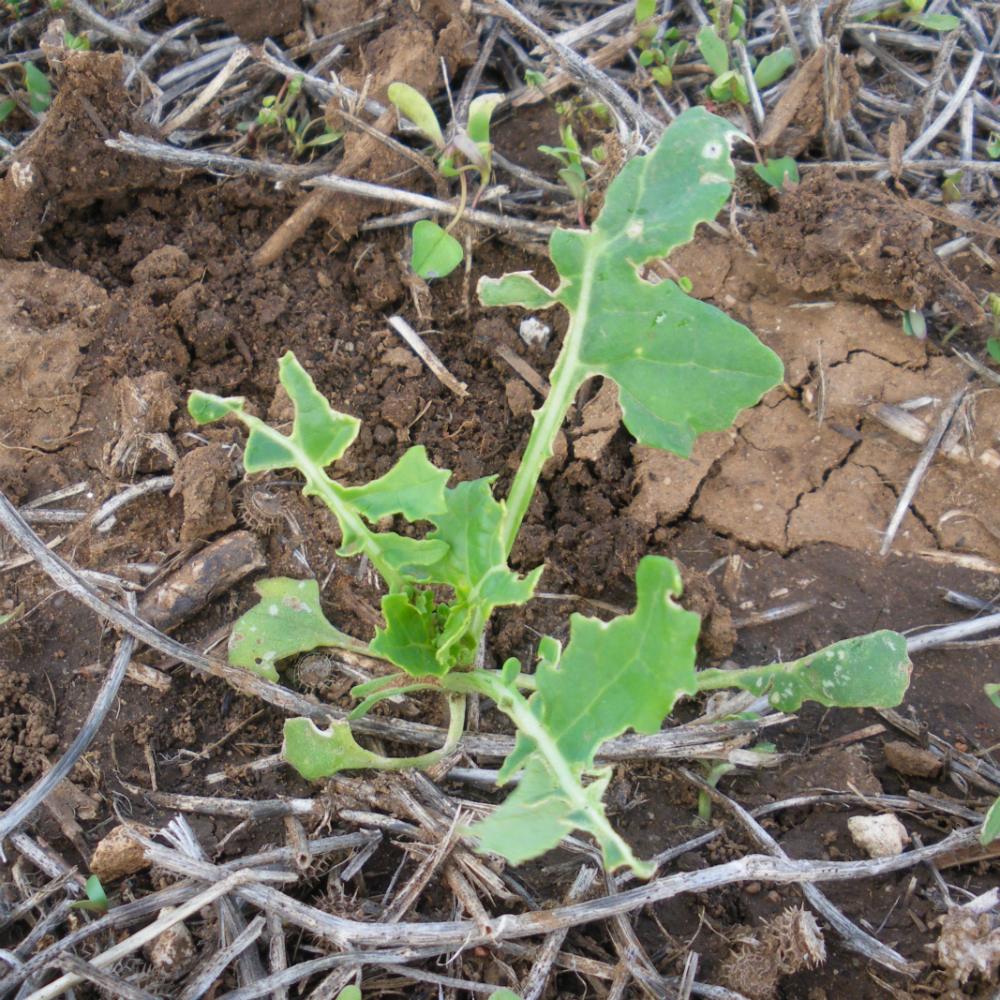
While they can be beneficial, preying on pests such as aphids and mites, high populations may damage emerging crops – such as canola, lucerne and some legumes.
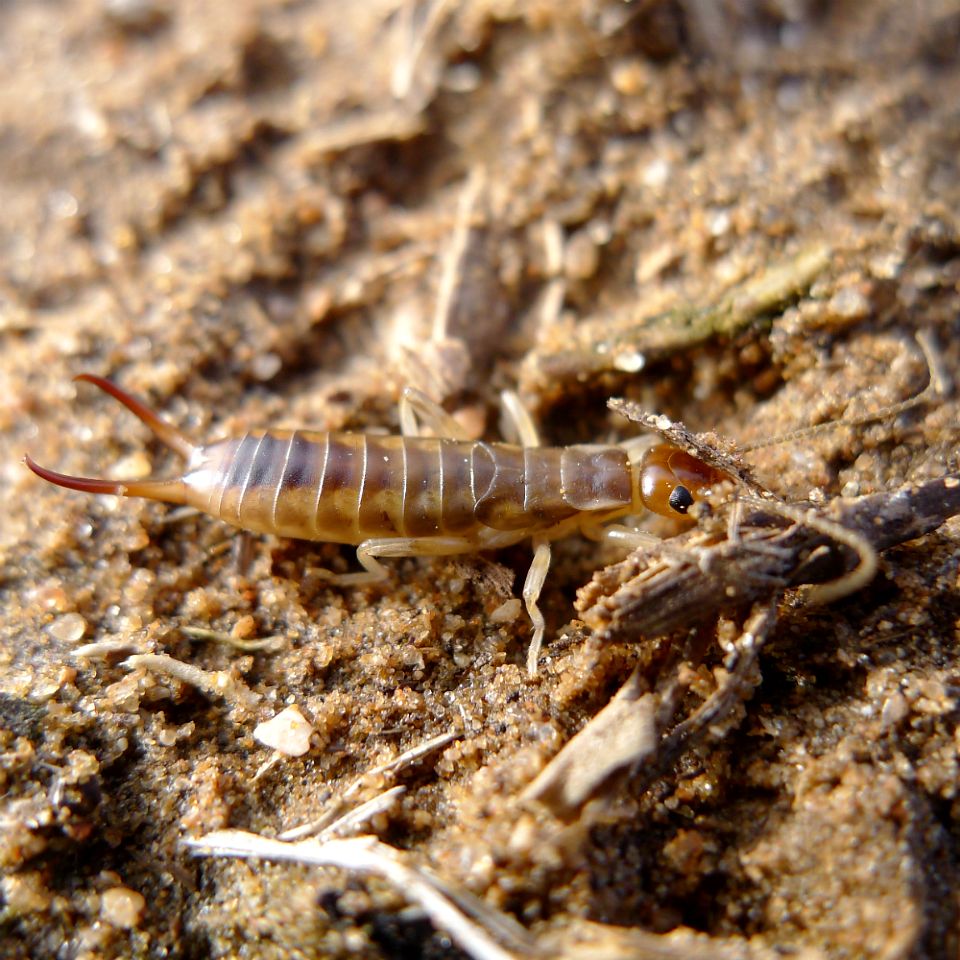
Several earwig species occur in South Australian broadacre systems, with the European earwig (Forficula auricularia) the most common:
- adults are 12 to 24 millimetres long,
- dark brown, flat elongated body
- yellow-fawn shoulders and legs
- thin, segmented antennae
- pair of pincers at the rear of the body, which are curved in males and straighter in females.
European earwigs eat a wide range of different foods. Feeding damage appears as irregular-shaped holes and patchy, shredded leaves.
They are most active at night – monitoring with a torch is the most effective way to detect them feeding.
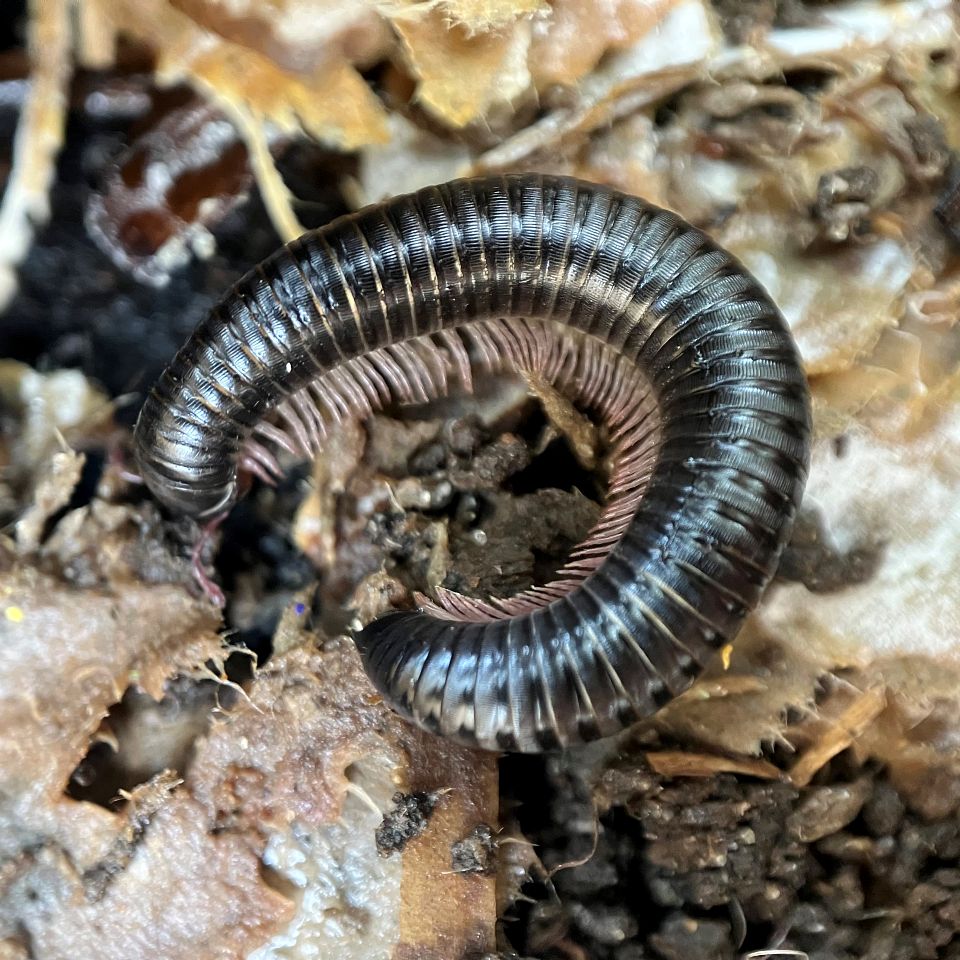
Black Portuguese millipede
Following rainfall, it is common to see high numbers of millipedes not only in paddocks but also around houses as they become more active.
The black Portuguese millipede (Ommatoiulus moreletii) feeds mostly on decaying plant material, such as leaf litter, fungi and stubble.
They have a shiny, cylindrical, dark-coloured body and will curl into a tight spiral or thrash when disturbed.
Over summer, they typically shelter in cracks in the soil, or beneath stubble and weeds.
They do not generally pose a risk but they can emerge in large numbers after autumn rain, becoming highly mobile and visible on the soil surface, especially in mild temperatures around 17°C to 21°C and high humidity.
While they mainly feed on organic matter, they will occasionally attack living plants. Damage appears in canola as irregular chewing of leaves, and they may chew young stems in cereals.
High numbers of millipedes can rapidly consume snail and slug pellets and therefore must be controlled before applying mollusc baits.
Pill bugs and slaters
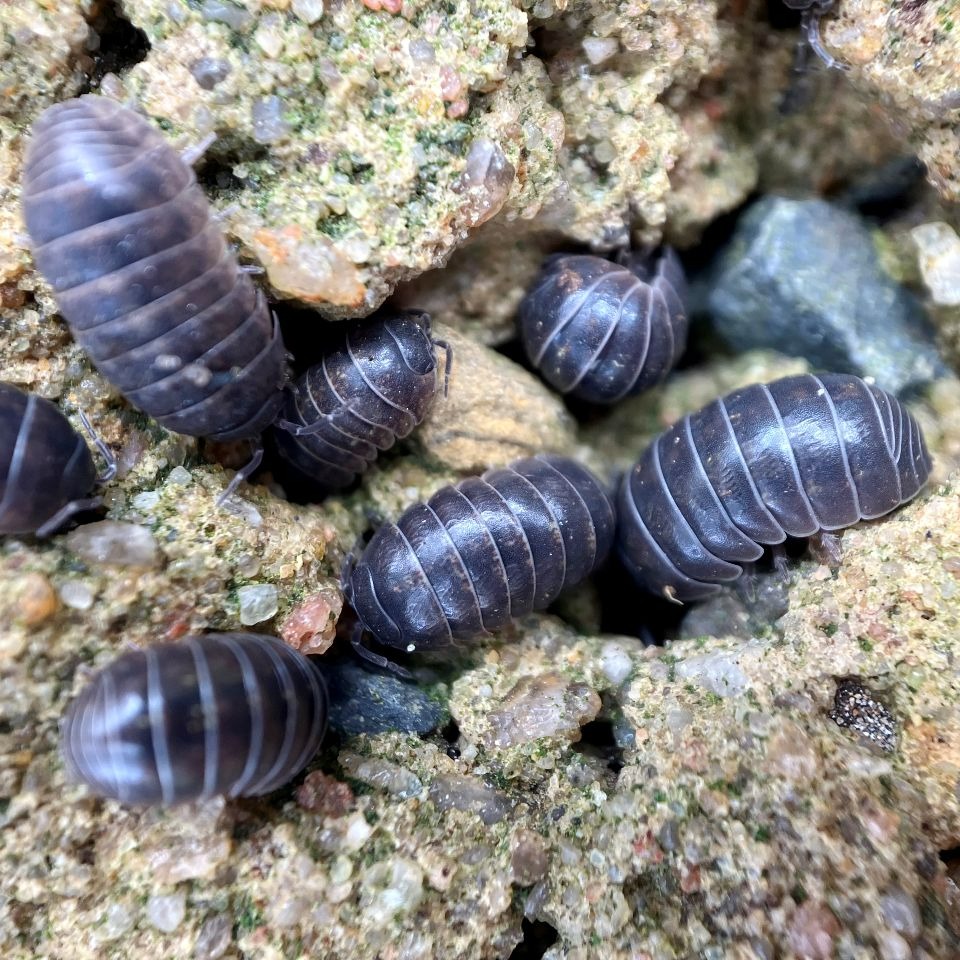
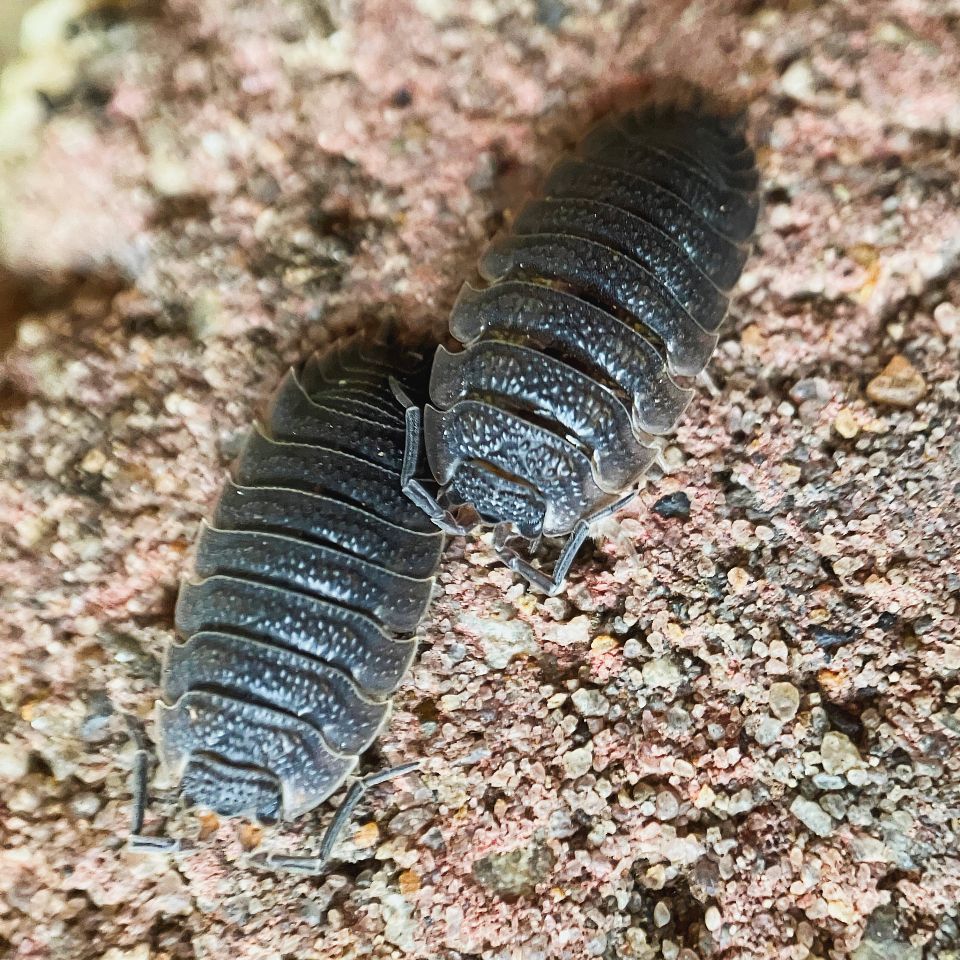
Common slaters and pill bugs (terrestrial isopods) are crustaceans adapted to life on land and are commonly found in stubble.
They have flattened, segmented grey bodies and are often seen under residue during moist conditions.
Several species are commonly found in Australian cropping systems, including the:
- common rough woodlouse (Porcellio scaber)
- pill bug (Armadillidium vulgare)
- flood bug (Australiodillo bifrons).
These species mainly feed on decaying plant material, which contributes to nutrient cycling. However, in high numbers, some species can damage emerging lentils and canola – particularly the pill bug.
Pill bug damage includes chewing of shoots (cotyledons) and young leaves. They feed on shoots below the soil surface, and ring-bark stems and young branches. The risk is greatest during crop establishment.
Weevils
Weevils (Curculionidae) are a diverse group of snout-nosed beetles. Some species will be found in paddock areas containing broadleaf weeds.
They are typically nocturnal, sheltering in the soil or under stubble during the day.
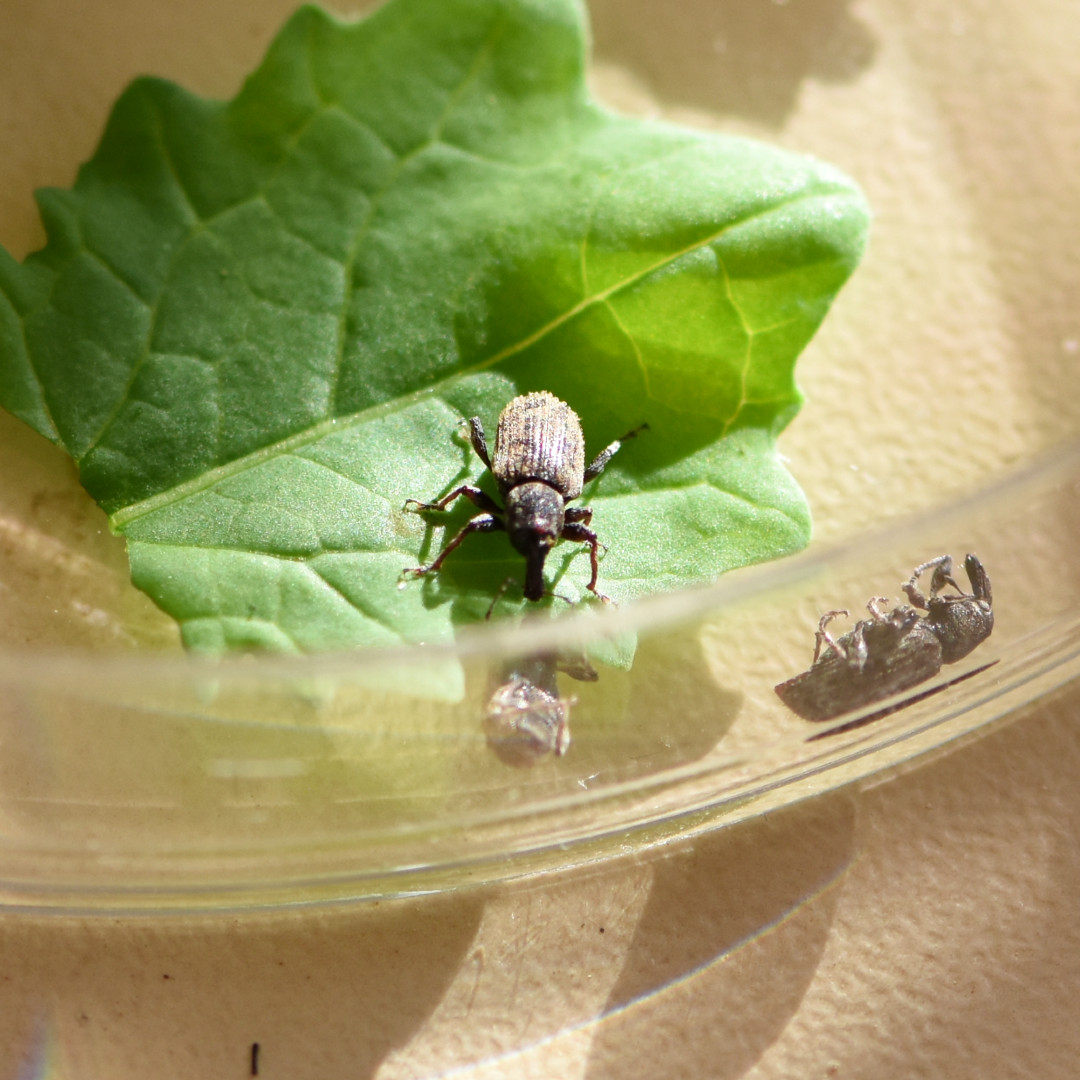
Two of the more common groups in southern Australia include the vegetable weevil (Listroderes difficilis), and the species group known as Mandalotus weevils (Mandalotus spp.).
The vegetable weevil is a sporadic pest:
- Adults are flightless, grey-brown with a prominent snout and a pale ‘V’ marking.
- Larvae are legless, cream to green with a brown head, and feed on plant leaves before pupating in the soil.
- Both adults and larvae feed on foliage, with damage in canola ranging from leaf-edge chewing to lopping of seedlings at ground level.
- Damage is often patchy and more severe along paddock edges or in weedy areas.
- They have one generation per year, laying eggs from mid-March to September, with adults emerging between September and October before entering a resting period (diapause) over summer and early autumn.
Monitor crops during establishment, particularly near weedy areas. Adults often go unnoticed – they are most active at night and shelter under stubble or around plant bases during the day.
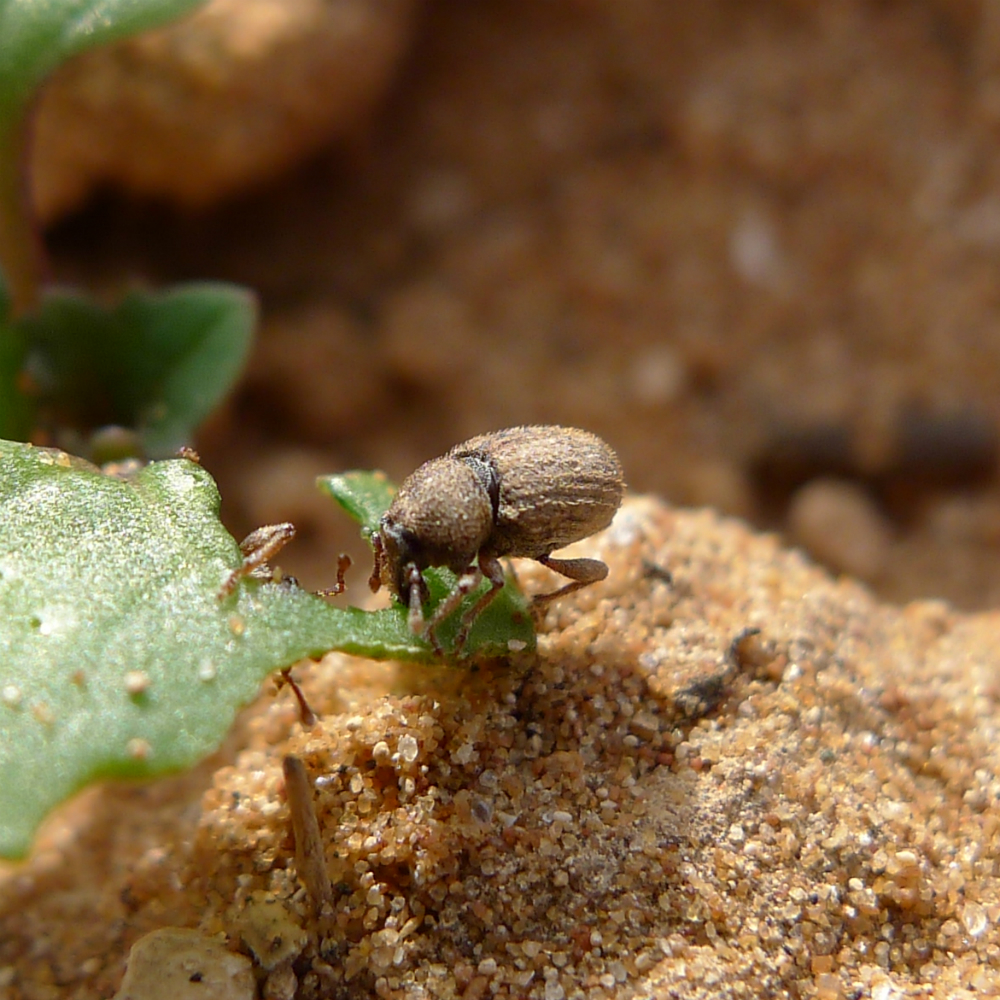
Mandalotus weevils (Mandalotus spp.) include several species that damage seedling canola:
- They are more common on lighter soils, particularly in Mallee regions, and often recur in the same paddock areas over time.
- Adults are small (3 to 5 millimetres), flightless, dull brown and rounded, often resembling small soil particles.
- Larvae are legless, pale grubs with a hardened yellow-orange head.
- They have one generation per year, with adults emerging from mid-April and becoming more active following rainfall.
- Adults feed at night and shelter in the top 1 to 2 centimetres of soil during the day.
- Canola is highly susceptible during early establishment, with feeding causing ring-barking at ground level, leading to patchy establishment or, in severe cases, re-sowing.
Monitor crops from emergence, checking for missing or lopped seedlings. Adults can be detected at night or by searching soil around the base of plants during the day.

New study on earwigs, millipedes and slaters
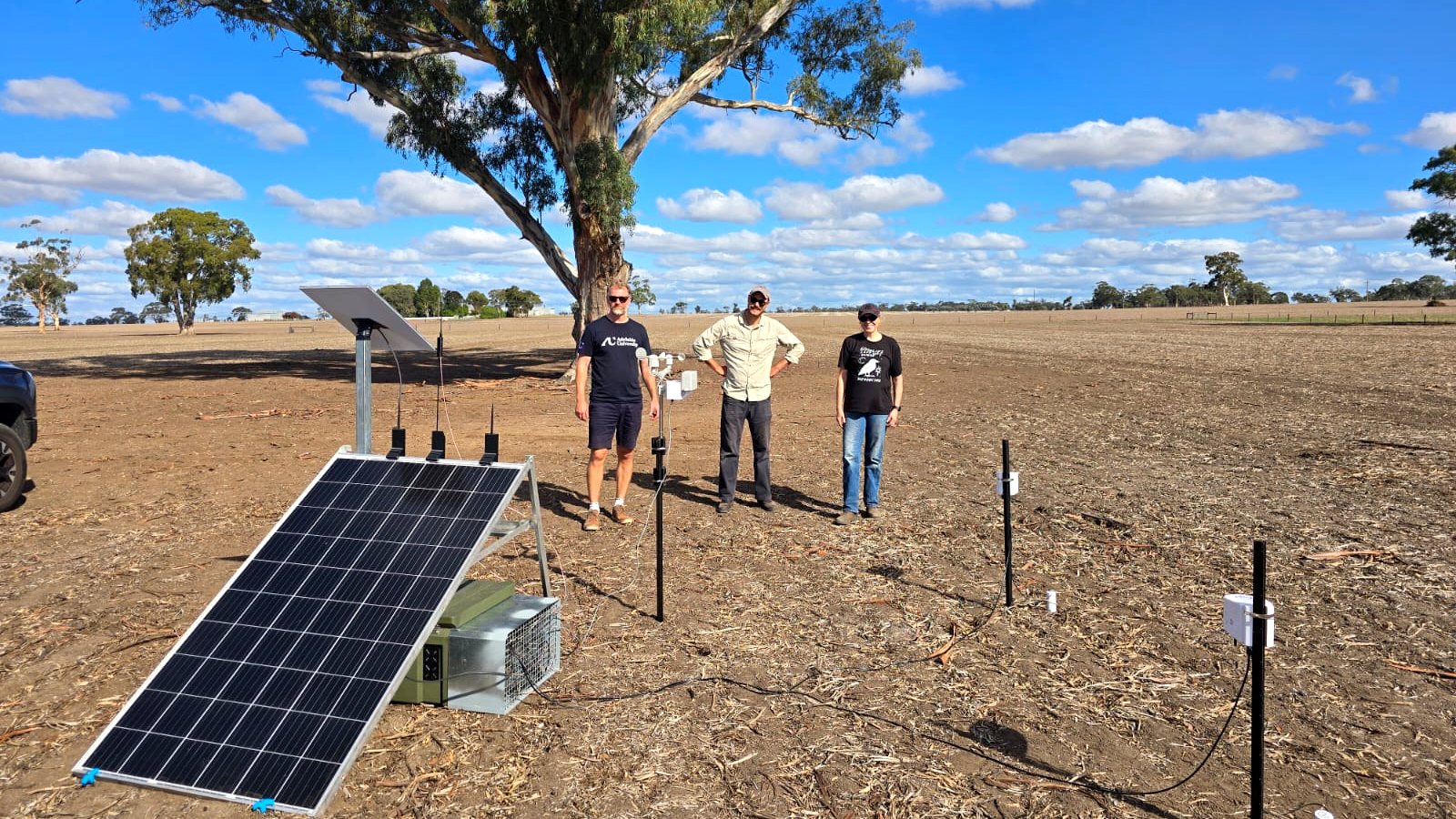
A new GRDC investment led by Adelaide University with SARDI involvement is under way to better understand the feeding ecology, economic impact and management of key stubble pests, including earwigs, millipedes and slaters.
The project aims to quantify the economic impact of these pests through an economic model. Surveys of agronomists across southern and western Australia will contribute to the research.
Distribution models and camera arrays at field sites in South Australia and Victoria will be used to identify species that actively cause damage.
The project team would like to hear of instances of damage from these pests this autumn 2026 and are seeking a field trial site in the Fleurieu Peninsula region. For more information about this project please contact:
- Dr Lucas Hearn
Phone: 0416 381 330
Email: lucas.hearn@adelaide.edu - Dr Kate Muirhead
Phone: 0409 099 796
Email: Katherine.muirhead@adelaide.edu.au - Dr Kym Perry
Phone: 0421 788 357
Email: kym.perry@adelaide.edu.au.
For project and pest activity updates, follow the team on Instagram at au_invertebratelab.