
Locust surveillance underway ahead of crackdown on notorious pest
Monday 7 September 2026 BiosecurityMedia release
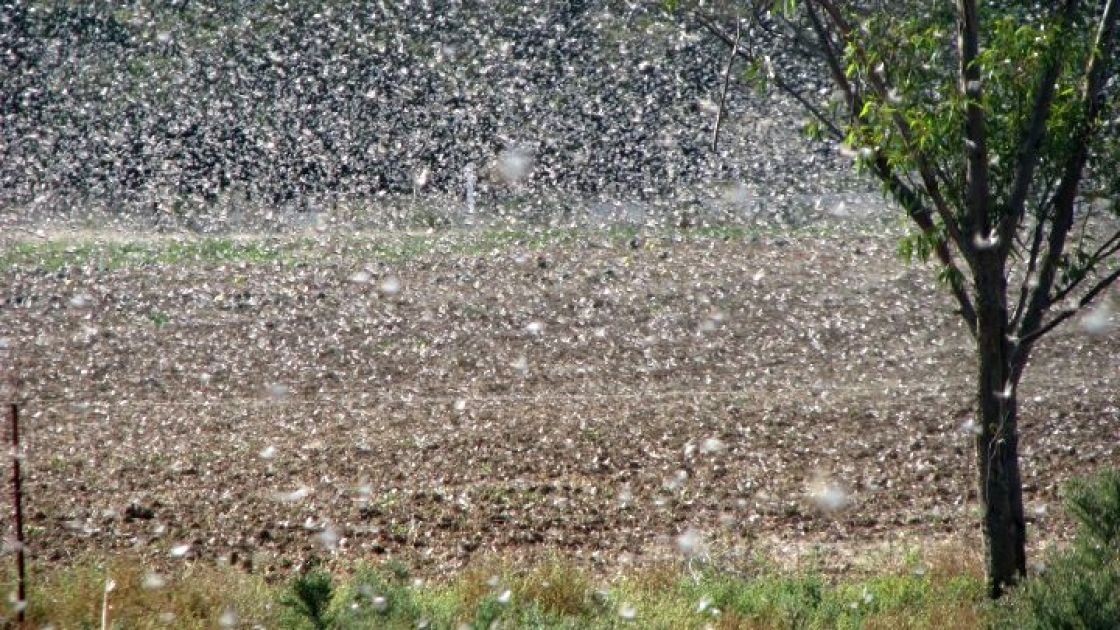
Spring surveillance is now underway as part of the Malinauskas Government’s $6.5 million crackdown on locusts.
The Department of Primary Industries and Regions (PIRSA) is undertaking increased on-ground surveillance from today in known locust hotspots across the Mid North, Flinders, and pastoral regions.
With warmer weather approaching, locusts are expected to be hatching now or in the near-term from eggs laid through autumn.
South Australian primary producers are enjoying one of their strongest seasons in years, with above average autumn and winter rainfall supporting the establishment of grain crops across more than 4 million hectares – one of the largest areas of sown crops on record.
To help our farmers achieve the strongest possible result, the Malinauskas Government is taking decisive action amid a warning from the SA Locust Commissioner that a damaging locust outbreak is a real possibility over the coming spring and summer months.
To support producers in their own monitoring, reporting and pest control efforts, the State Government is delivering a $6.5 million plague locust preparedness package that includes:
- $1.9 million for planning, procurement and surveillance, including up to six weeks of targeted
spring surveillance in areas considered most at risk. - $4.6 million Chemical Rebate Scheme for landholders, supporting eligible producers by covering the costs of chemicals to reduce or eliminate the cost of controlling locusts on their properties.
Targeted spring surveillance will assess hatching activity, hopper densities, and whether aerial control measures are required in certain areas.
In the north of the state, trained field teams will conduct surveillance from a coordination base in Orroroo, using motorbikes to access and assess priority areas. Teams will initially inspect known locust hotspots and areas where egg-laying has been reported or identified.
Conditions favourable to crops can also be favourable to locust egg hatching, which can develop into hopper bands capable of damaging crops and pastures. As hoppers mature, they can develop into highly mobile adult swarms, potentially causing more widespread impacts and posing a significant threat to the state’s $4.3 billion field crop industry.
Deploying controls on locust hopper bands remains one of the most effective management options and can reduce the likelihood of larger-scale impacts in the season.
The Chemical Rebate Scheme has now commenced, which will help eligible landholders offset the costs of locust control activities and support early intervention before populations increase and spread.
The Scheme will run through to 14 February, reimbursing the cost of chemicals that have been purchased by landholders to control locusts and are applied between 1 September and 31 December, at up to $35 per hectare.
The South Australian Government will continue to work with landholders, industry, local government and the Australian Plague Locust Commission.
Report any sightings of Australian plague locusts to the Exotic Plant Pest Hotline on 1800 084 881, or using the online reporting form on the PIRSA website.