
New Marine Scalefish Fishery management plan for South Australia
Thursday 12 June 2025 Primary industries
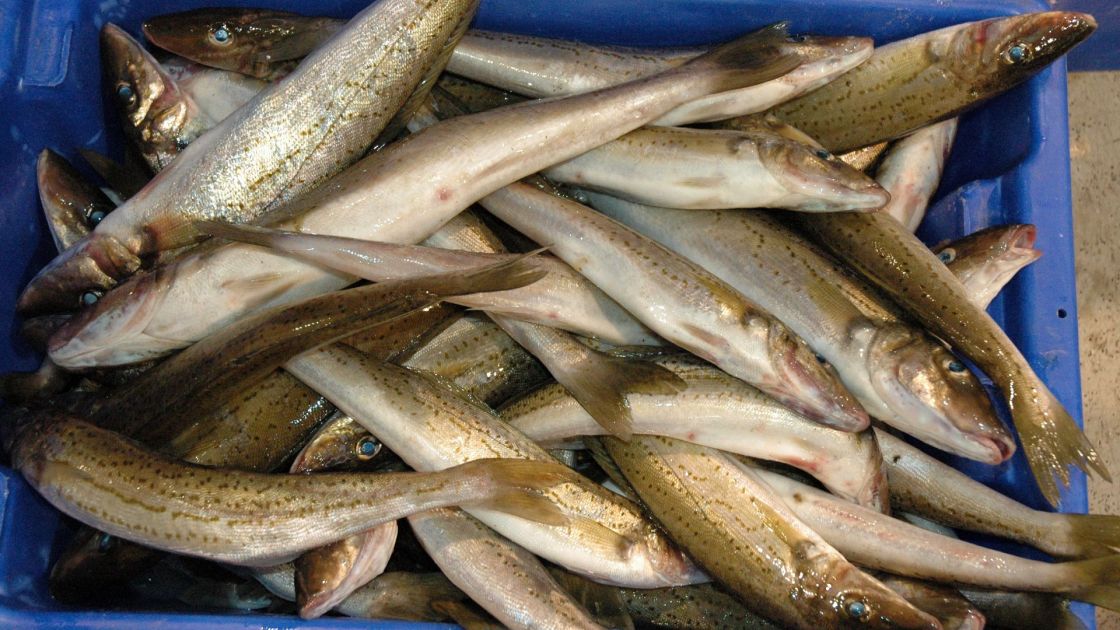
A new Management Plan for the South Australian Commercial Marine Scalefish Fishery (MSF) will maximise the commercial opportunities for fishers while maintaining the sustainability of the resource for future generations.
The new plan comes into effect from 1 July 2025 following a public consultation that received 68 submissions.
Developed in consultation with the Marine Scalefish Fishery Management Advisory Committee the major feature of the new management plan is a new harvest strategy. The new harvest strategy aims to ensure fish stocks are sustainable through setting fishing limits and other management arrangements that are proportionate to the size of the species’ populations.
The new management plan has a term of 10 years and sets out management strategies and objectives to achieve overarching goals for the MSF. In doing so, the plan improves the sustainability of the fishery, provides security for commercial licence holders, maintains sector access to marine scalefish species, seeks to optimise economic performance of the fishery, and provides for responsive management to respond to impacts on the fishery, such as climate change.
The new management plan supersedes the 2013 plan and follows detailed analysis of data gathered over the ensuing period and rigorous work that included a new ecologically sustainable development risk assessment based on new information since the previous assessment was undertaken in 2011, including large reforms made to the fishery in 2021.
The commercial Marine Scalefish Fishery is a multi-species, multi-gear, shared access fishery which operates in all South Australia’s coastal waters between the Western Australian and Victorian border.
There are more than 60 species taken commercially but the majority of fishing is traditionally concentrated on four main species: King George Whiting, Southern Garfish, Snapper and Southern Calamari. Access to marine scalefish species is shared with recreational fishers and the Charter Boat Fishery, as well as Aboriginal traditional fishers. Several other commercial fisheries also have varying levels of access.