
Snapper stock enhancement
Monday 30 September 2024 Fishing and aquacultureSARDIQuarterly Catch
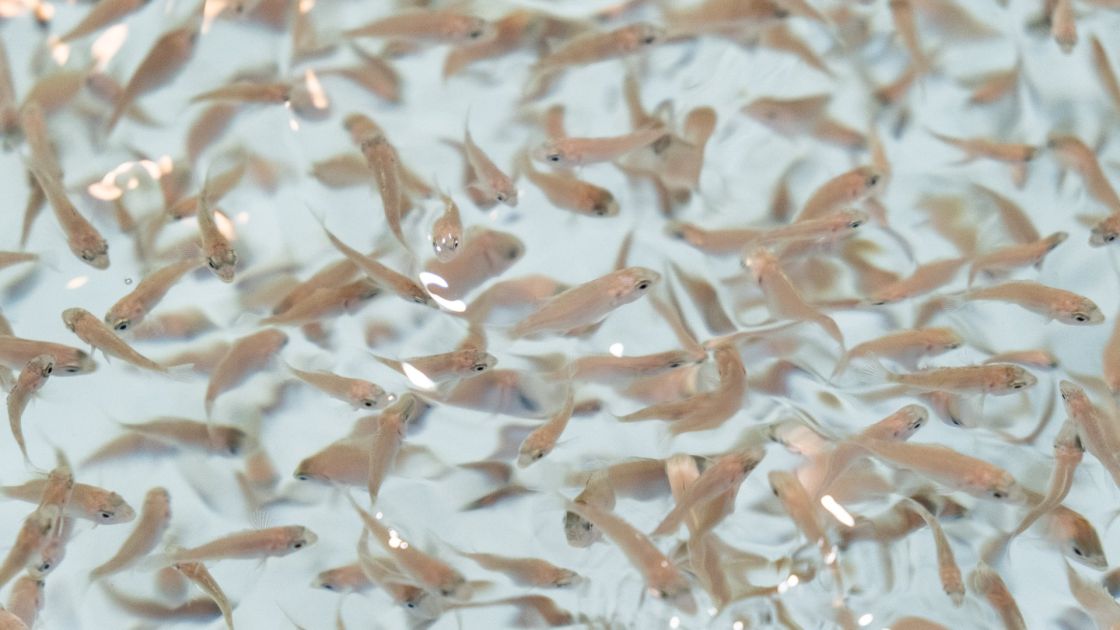
Over the past year, more than 360,000 baby Snapper, referred to as fingerlings, have been released into recognised nursery areas for Snapper in northern Spencer Gulf and Gulf St Vincent.
The Aquaculture team at SARDI are currently preparing for yet another spawning season in November 2024 through to January 2025, where they will collect eggs from spawning adults and rear thousands more fingerlings for release into South Australian waters.
Elisha Lovell, Senior Research Officer at SARDI, leads the aquaculture team in spawning and rearing Snapper fingerlings for release across the gulfs. Elisha emphasised the importance of this project for Snapper.
"It’s a very important project and Snapper being the iconic species it is, I think it’s important that we do every bit that we can to get that fishery open," she said.
Find out more about the Snapper stock enhancement program, which is one component of the $8.8 million Snapper Recovery Package.
Transcript
[Clare Scriven] Yeah look it's really fantastic to be down here at Black Point releasing 20,000 snapper fingerlings into the ocean as part of the restocking project. We know it's been really difficult having to have a closure of snapper in all of the state apart from the south east, but the work that SARDI's been doing and PIRSA's been doing more broadly, as well as Fishcare volunteers and others, is really important in terms of trying to get the stocks up so that they can be sustainable and hopefully in the future we can open up to snapper fishing again in the rest of the state.
[Elisha Lovell] This project target is to get 450,000 fingerlings per gulf over the past two years to help replenish those stocks that have been depleted. At the facility at West Beach, we rely on a lot of the natural water so we have to kind of work with nature, with the water temperature and the sunlight, we try and get three spawns in over the natural recruitment period, which is November to February, we've got wild caught brood stock that we have on site, we induce them with a hormone from there, yeah that's where the eggs come through, and then we rear them up into this fingerling stage, which takes approximately 80 to 100 days.
[Jamie Bussenschutt] Yeah, I was just interested, I haven't seen this sort of operation here at Black Point before, obviously replenishing the stocks of snapper, which is a solid thing to sustain the fishing I think is, keeps people coming back here, and it's a beautiful place, and not only the beaches are good, but if the fishing is good too well, then that's just a bonus as well so.
[Elisha Lovell] So yeah, we mark the otolith, the ear bone of the fish, with a stain called alizarin, so that way when the scientists go out into the wild they know whether the fish that they've caught are from the hatchery or from natural recruitment. This is one of the first marine restockings we've had in South Australia, so it is a milestone project, it is a very important project and snapper being the iconic species I think it's important that we do every bit that we can to get that fishery open.