
SA’s agriculture research and innovation to drive Net Zero by 2050
Thursday 7 November 2024 SARDI
Research into lowering greenhouse gas emissions from agricultural practices will be spearheaded by South Australia through an $8.4 million commitment, alongside partnerships between State and Federal Governments and industry.
Led by the South Australian Research and Development Institute (SARDI), the research will be essential to help the state reach Net Zero by 2050. This will preserve our environment for generations to come and support producers to maintain market access and establish new markets.
The SA Government has committed to reduce greenhouse gas emissions by at least 60 per cent by 2030 from 2005 levels, and to achieve net zero greenhouse gas emissions by 2050.
In South Australia, the agricultural sector was estimated to account for 37 per cent of our greenhouse gas emissions in 2022. There are a number of sources of greenhouse gas emissions generated in the state's agricultural sector and on farms.
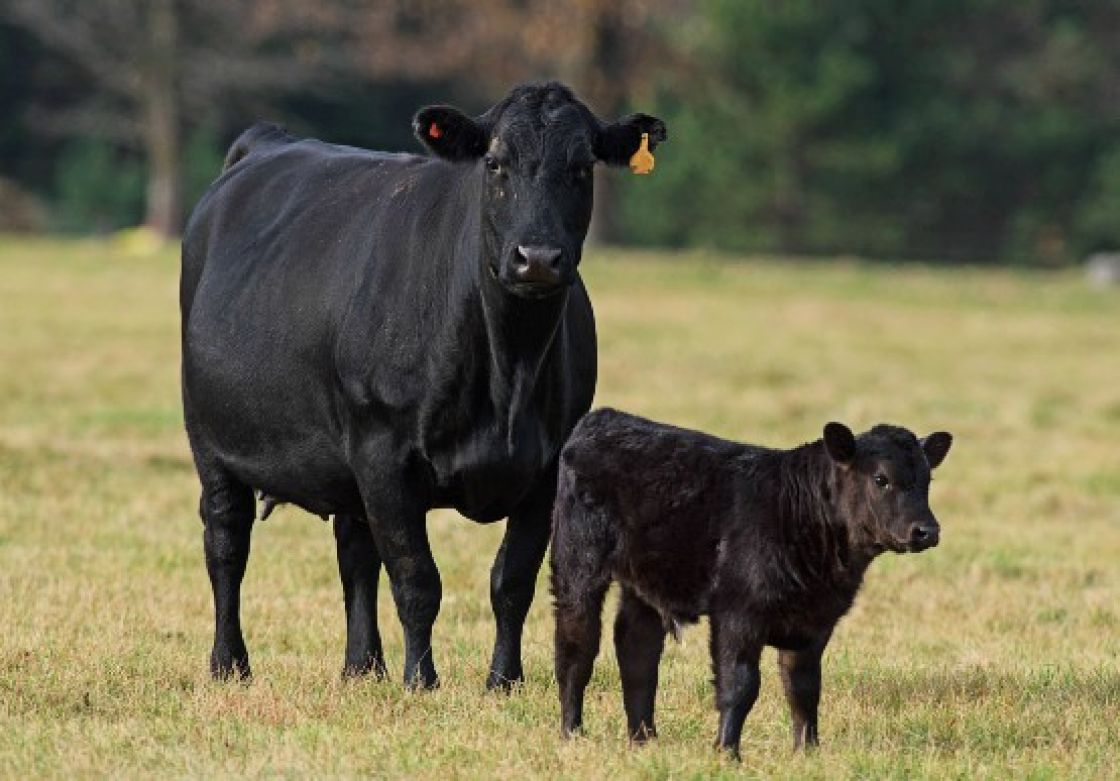
Fertiliser production and use make up a large proportion of the emissions challenge for SA grain farmers, producers, and growers, followed by methane released by livestock. This methane is produced by cows, sheep, and goats in their stomach, which is then released into the atmosphere, mostly when burping or through flatulence.
The State Budget in June committed $8.4 million over 5 years and will leverage Commonwealth and industry contributions of $16 million over 5 years to a total of $24.4 million. This will establish the essential industry partnerships and collaborations necessary to reduce the state's greenhouse gas emissions.
South Australia’s $18.5 billion agriculture sector will benefit from this next generation research and development that will build on the active initiatives in emissions reduction and sustainability that SARDI is undertaking. It includes:
- Methane mitigation – Testing existing products or identifying novel bioactive molecules for livestock that result in less methane production while not impacting reproduction success, the quality of wool, milk, and meat products for producers.
- Plant breeding and selection – Plant breeding and trials to determine new feed base options that roaming livestock could eat, which naturally decrease the amount of methane produced. This is a key consideration required to address methane produced from pasture-based ruminant systems in South Australia.
- Agronomy and soils – Undertaking research aimed at improving soils to increase the opportunity for atmospheric carbon storage, or the expansion of legume crop production to reduce synthetic nitrogen use.
- Management for mitigation – Supporting SA producers to ensure they have access to the emission reduction solutions they need, as well as the new information and technology as quickly as possible when it is developed.
Much of this research will be undertaken at SARDI innovation farms, or in partnership with farming systems groups and growers, located across a range of the key rainfall and climate zones throughout South Australia. The new innovations will be trialled as they become available, and research will be conducted to investigate solutions.
This will ensure that farmers have early access to new solutions which are designed to reduce the emission of greenhouse gases from our unique SA farming systems and regions.