

Juvenile in vitro fertilization embryo transfer (JIVET)
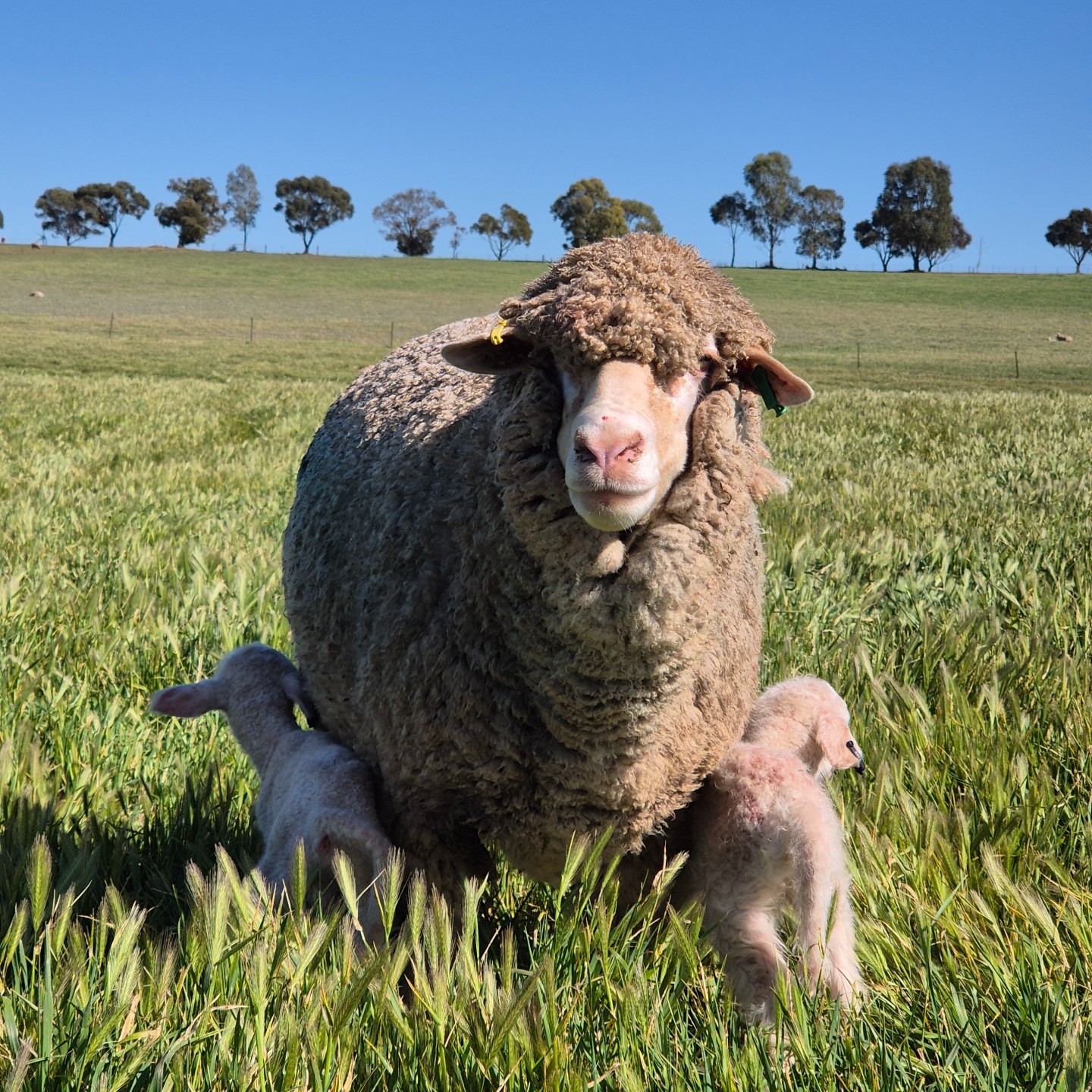
Genetic gain in sheep breeding programs can be time limited by both the age at which an ewe reaches sexual maturity and the gestation length. Juvenile in vitro embryo transfer (JIVET) is an advanced reproductive technology that enables rapid genetic improvement via both the ram and sire.
SARDI researchers routinely use JIVET as part of their research breeding programs:
- enables faster progress
- increased use of high-value female genetics
- early selection using genomic testing
- more efficient multiplication of elite lines.
In commercial studs, JIVET becomes viable when paired with high-accuracy genomic selection and high-value elite females. JIVET breeding programs can:
- bolster productivity
- increase profitability
- support producer decision making.
Current reproductive technologies are at times unreliable, expensive and can be dependent on several factors including ideal environmental conditions, optimal ewe nutrition, and body condition.
SARDI is working towards optimising the animal and environmental conditions for maximum sheep breeding success. SARDI's research aims to support reliable reproduction of healthy sheep progeny using JIVET:
- comparing traditional and JIVET mating combinations tested under the same conditions in the same season
- identifying which conditions support best-practice decision making and faster genetic progress
- developing JIVET and its commercial viability
- applying JIVET sector wide to foster stronger collaboration between researchers, industry bodies and producers.
How JIVET works
JIVET breeding programs have the capacity to deliver:
- up to 7 years of genetic progress in less than 24 months, a 3-fold increase in genetic gain
- 15 generations of progeny on the ground in 10 years, a 45% genetic gain, maximising pure genetic gain and generation interval reduction
- significant improvements in productivity, efficiency and profitability through accelerated genetic gain
- strong collaborations between stakeholders through translating advanced science innovation into practical and accessible outcomes for producers and industry bodies.
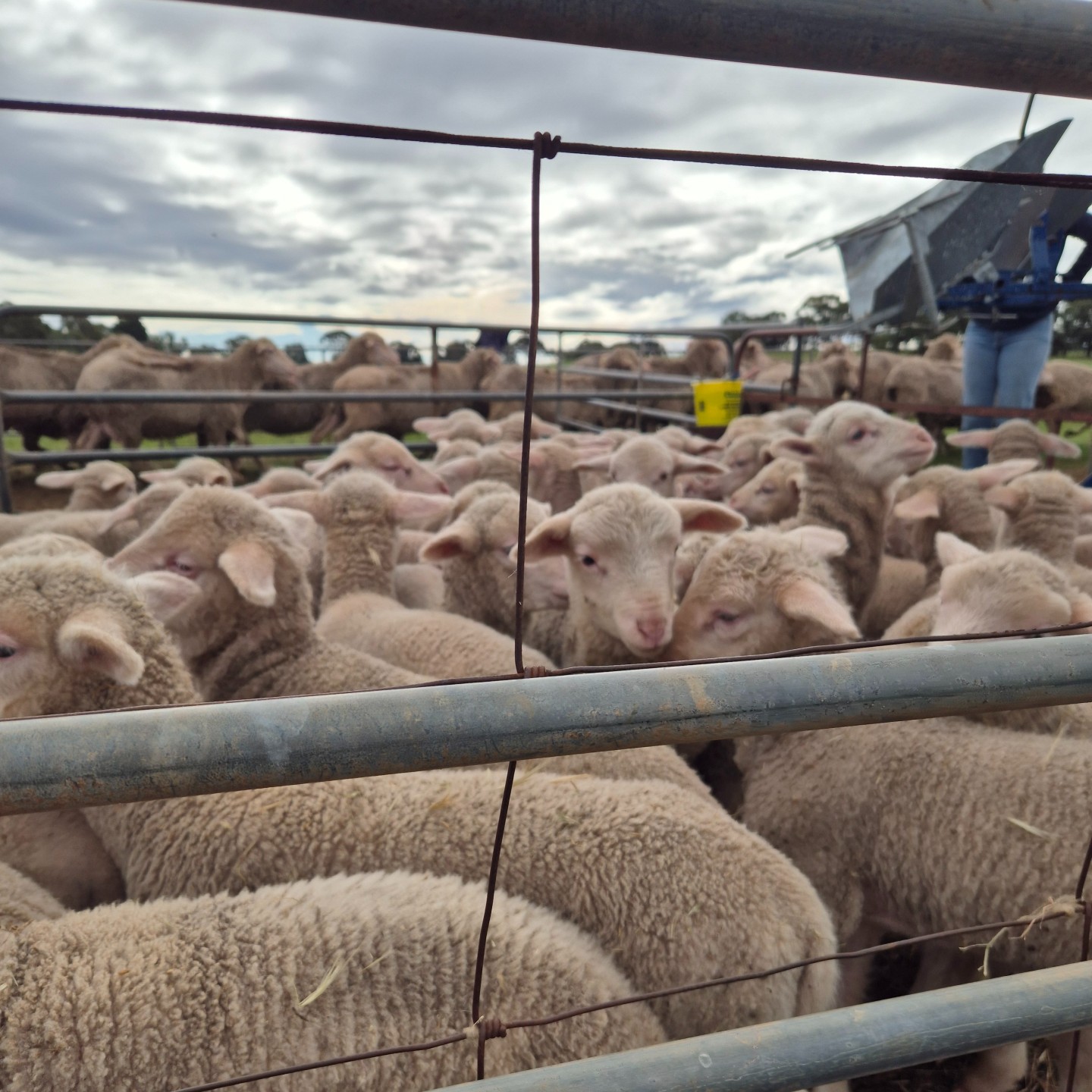
The JIVET technology involves the harvesting of oocytes (eggs) from hormonal stimulated donor ewe lambs at 6 to 8 weeks of age. These oocytes are then fertilised with semen from elite rams.
The oocytes collected from a single hormonal stimulated donor ewe lamb can result in:
- up to 100 oocytes collected
- potential for multiple sires to be used across a single ewe lamb donor, depending on the number of oocytes collected
- cost minimisation through generating dozens of genetic combinations using 3 to 4 donor ewe lambs.
Embryos developed in vitro and transferred into recipients of known ‘mothering ability’ can have a lower pregnancy success than traditional laparoscopic artificial insemination (AI).
Under traditional mating programs, it takes around 18 months for first generation progeny to be born and for genetic potential to be assessed.
| 0 months | 6 months | 12 months | 18 to 24 months |
|---|---|---|---|---|
Traditional mating program | Selected donor ram | Natural progeny 1 | ||
JIVET mating program | Selected donor ram | JIVET progeny 1 | JIVET progeny 2 | JIVET progeny 3 |
Contact
Dr Alice Weaver – Program Leader, Livestock Sciences
Phone: 08 8429 3652
Email: alice.weaver@sa.gov.au