Project background
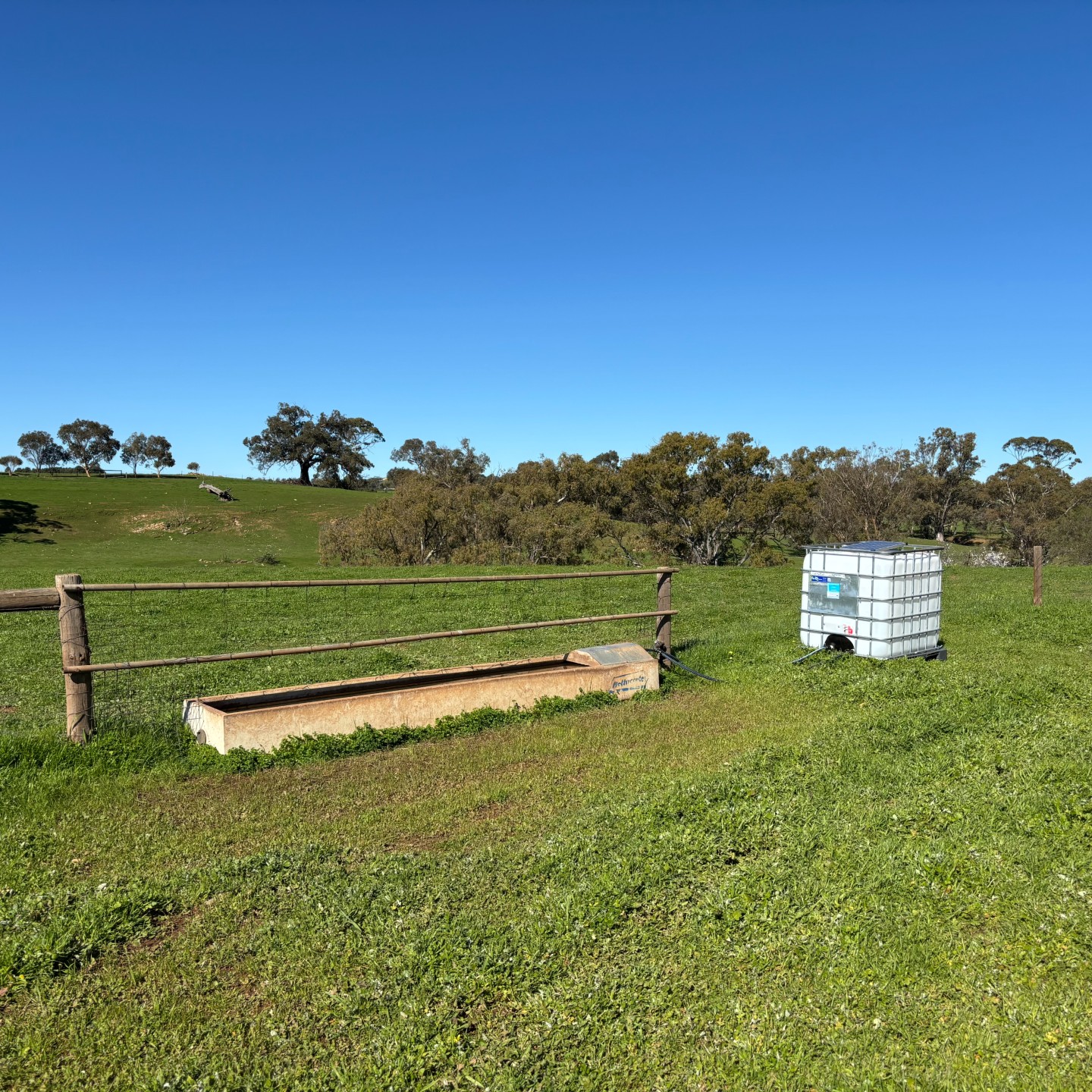
Unlike most livestock, who are very sensitive to drinking salted water, sheep can handle high levels of salinity in their drinking water. However, when given the choice, they tend to avoid drinking highly salted water.
Bore water, which is used to hydrate livestock and water crops and pastures, is naturally high in dissolved salts due to being sandwiched in between layers of soil sediment and fractured pieces of rock, known as aquifers.
High salinity water can be detrimental to sheep health and can result in stunted growth, poor wool production, reproductive distress, gastrointestinal issues including severe diarrhea (scouring), the inability to safely regulate the body temperature and a compromised immune function.
Project objectives
This project aims to understand the impact water quality has on sheep production and health by achieving the following objectives:
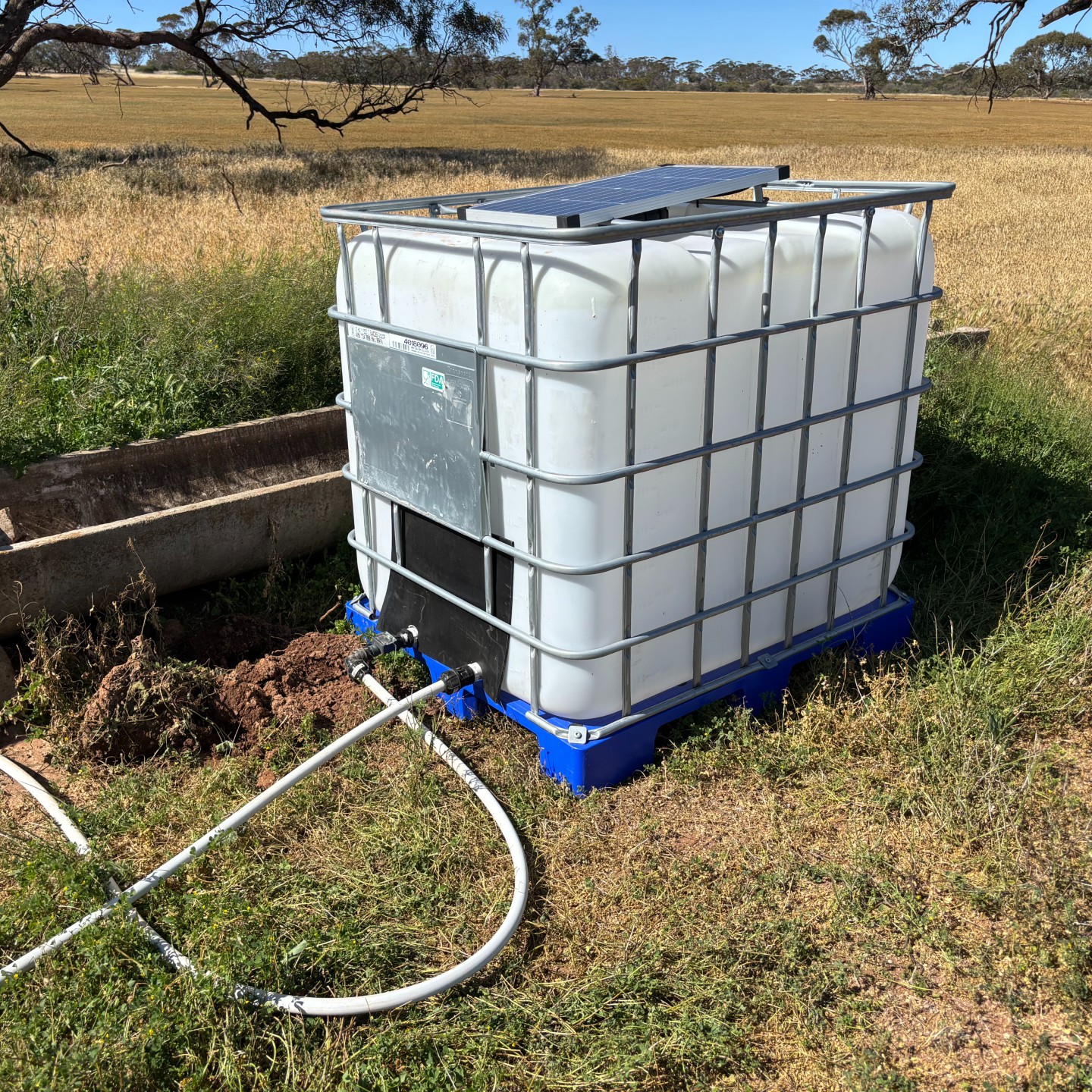
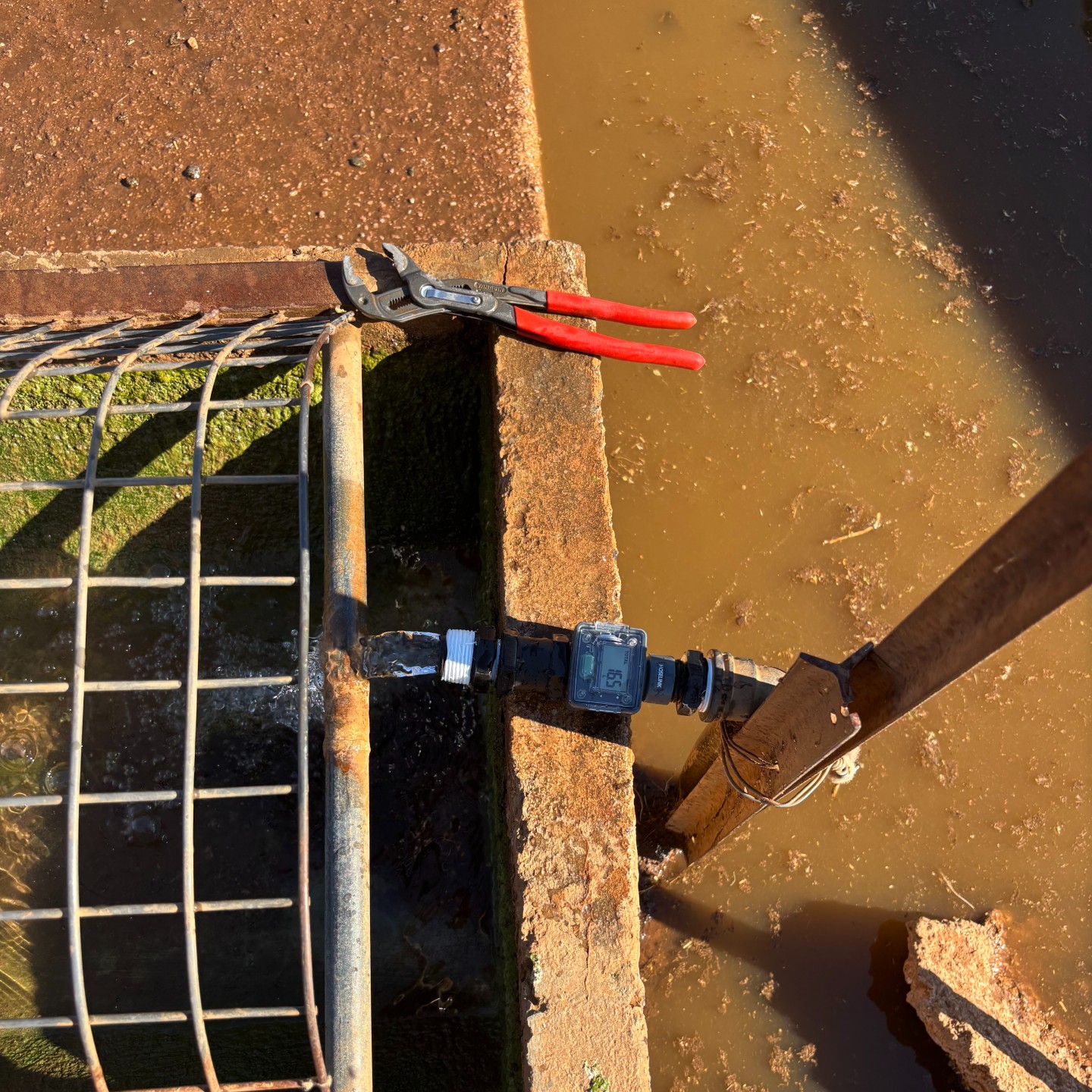
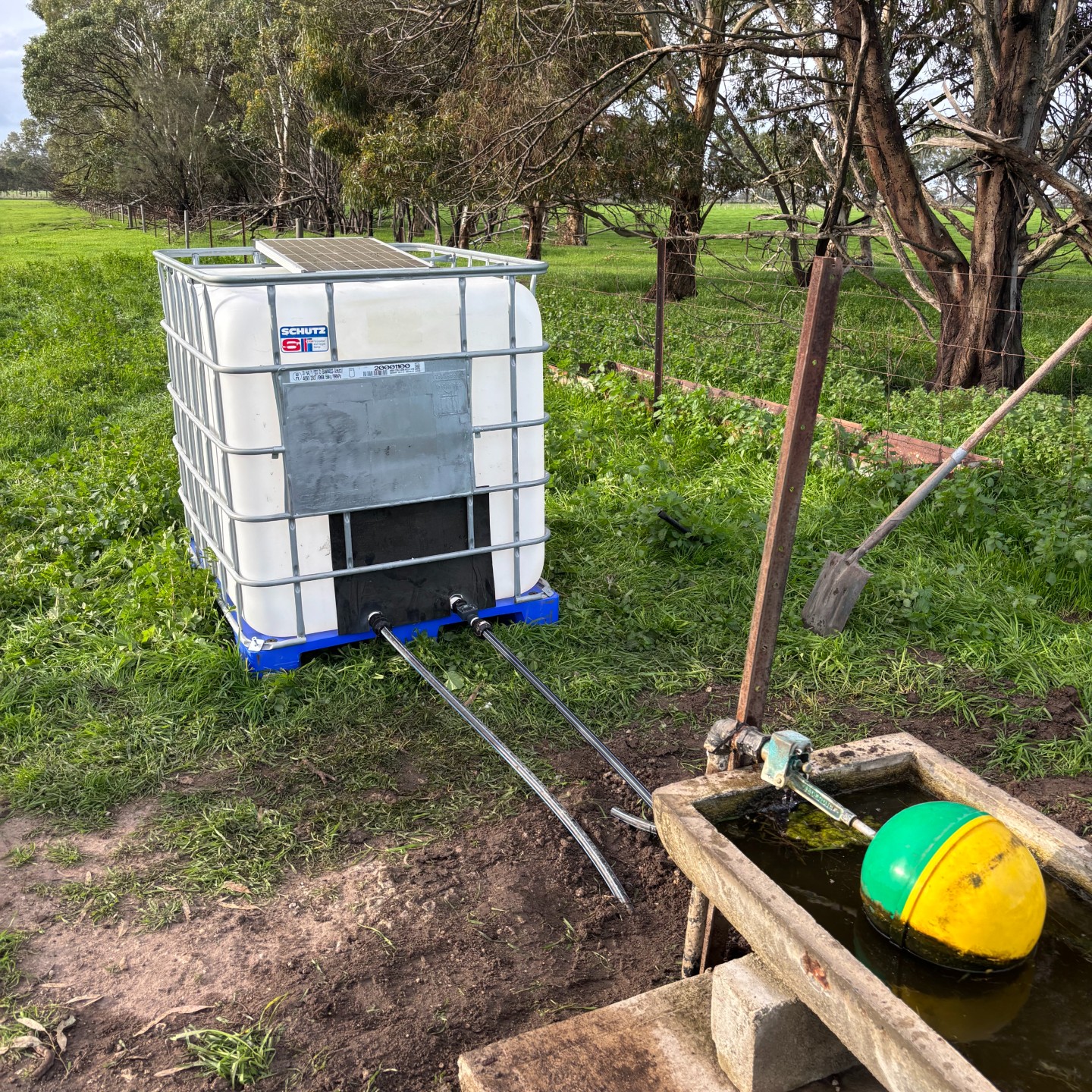
- Stage 1: Validate water conditioning technologies at 3 research farms across South Australia (SA): Minnipa, Turretfield and Kybybolite
- Stage 2: Invite producers to better understand how water chemistry impacts sheep drinking behaviour and subsequent production traits under commercial farming systems
- Production traits include: Liveweight (LW), Body Condition Score (BCS), Average Daily Gain (ADG), reproduction and overall health.
Project methodology
This project will run as part of the Australian Government’s Future Drought Fund’s Long Term Trials and will run for 30 months to analyse how water in sheep drinking water impacts sheep drinking behaviour and overall health.
It will take a 2-stage approach. Stage 1 will involve validating different water conditioning technologies at three of SARDI’s research farms across SA Discovery Farms: Minnipa with 193 ewes, Turretfield with 200 ewes and Kybybolite with 231 ewes.
Stage 2 will involve enrolling two producers within the three key sheep farming regions across SA to evaluate the efficacy of water conditioning technologies to improve sheep production traits within commercial production systems.
Routine monitoring for both stages will include collecting data on sheep LW; BCS; reproduction, including pregnancy rate, marking and weaning rate and trough visitation frequency over 3 monthly intervals.
Achieved outcomes to date
To date we have collected and analysed data from Minnipa (9 months), Turretfield (5 months) and Kybybolite (3 months), with more data to be collected.
There was a significant difference in animal growth between the three research sites suggesting the efficacy of the electric water conditioning system is site dependent. As Turretfield and Minnipa are both on mains water, total dissolved salt (TDS) levels are relatively low, and there was minimal difference in growth between the treated and untreated water. However, as Kybybolite drinking water is delivered from a bore (TDS < 2000 mg/L), animals with access to water from the Hydrosmart units grew on average 26 grams per day more than animals with access to the untreated water.
While these are preliminary, these results establish a clear pathway to Stage 2 where we can investigate the efficacy of water conditioning technologies under commercial conditions.
Related documents
Eyre Peninsular Farming Systems 2026 publication
Project timeframe
Start date (month/year): Mid to late 2026
Completion date (month/year): Mid to late 2028
Project team
| Name | Job title & organisation | |
|---|---|---|
| Alyce Lowe | Acting Sub-Program Leader, Livestock Innovation and Welfare SARDI | alyce.lowe@sa.gov.au |
| Stephanie Lokan | Research Support Officer, Livestock Innovation and Welfare SARDI | stephanie.lokan@sa.gov.au |
| Bianca Agenbag | Senior Research Officer, Livestock Innovation and Welfare SARDI | Bianca.agenbag@sa.gov.au |
| Catherine Paterson | Research Officer, Crop Sciences, SARDI | catherine.Paterson2@sa.gov.au |
Key milestones
| Month/year | One line description |
|---|---|
| 2025–2026 | Share first round of intensive water‑treatment validation trials at Minnipa, Turretfield and Kybybolite, with preliminary production outcomes (LW, BCS, conception, and water‑quality metrics) |
| Late 2026 | Establish producer demonstration sites once initial technology validation is complete to exemplify performance under commercial conditions |
| 2026–2027 | Review interim results, which will be reported annually, highlighting trends in livestock performance, water quality and system reliability |
| Summer 2027/2028 | Collect final round of data across all sites |
| April 2028 | Complete project and share recommendations for producers on water‑treatment options to support livestock during dry conditions. |
Funding partners
| Name/organisation | Role in project |
|---|---|
| Flinders University Affiliate - Future Drought Fund | Primary Project Funding |
| Landscape SA | Providing additional funding for on-farm monitoring equipment |
Collaborators
| Name/organisation | Role in project |
|---|---|
| Hydrosmart | Provided 3 Hydrosmart units to validate solar powered water conditioning technology under extensive grazing condition |
| Agricultural Innovation & Research Eyre Peninsula (AIR EP) | Communication to members (newsletter, social media posts), producer recruitment, site visit coordination |
| Barossa Improved Grazing Group (BIGG) | Communication to members (newsletter, social media posts), producer recruitment, site visit coordination |
| MacKillop Farm Management Group | Communication to members (newsletter, social media posts), producer recruitment, site visit coordination |
Related links
SA Discovery Farms Update newsletter water quality in extensive sheep grazing systems