

Australia produces around 1.3 million tonnes of export fodder each year, with a gross value of over $500 million (2024). South Australia and Victoria are key contributors to this sector, together accounting for 52% of national production. This
At GS30 count the number of tillers in 50 cm row lengths (choose at least 5 areas of the paddock) (e.g. 433 tillers counted). In the same row lengths count the number of tillers with symptoms (e.g. 43 tillers with symptoms). At this stage you will
A sub-committee of the AW Howard Memorial Trust may award the Tim Healey Memorial Scholarship annually to a post-graduate student studying in a field that benefits the future of Australian farming.
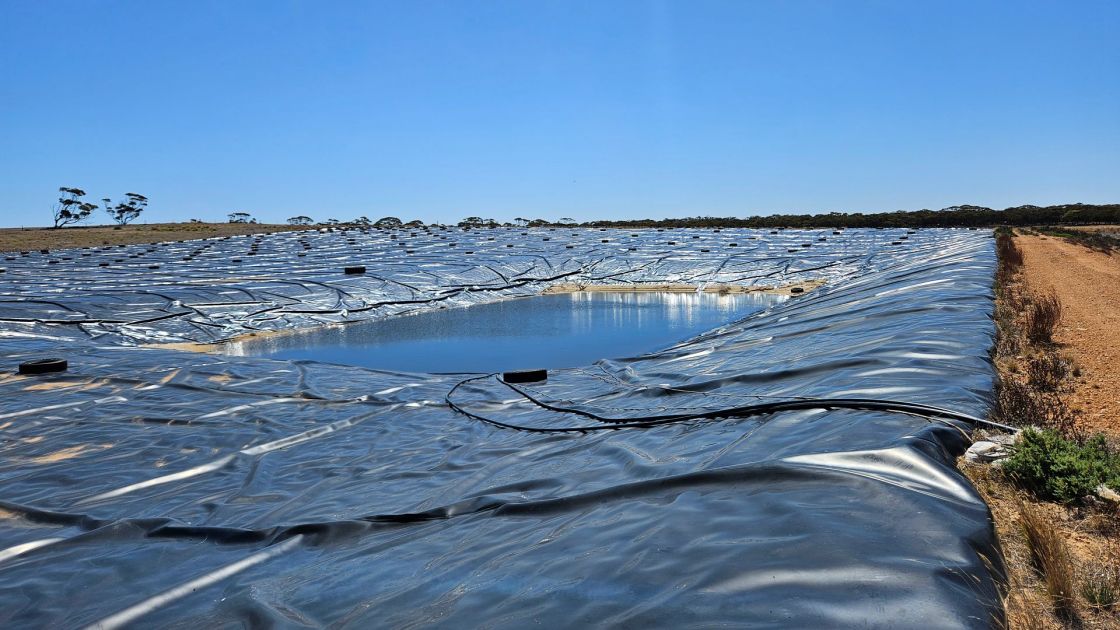
The Eyre Peninsula Farm Water Security project promotes better capture, storage and management of water on Eyre Peninsula (EP) farms.Agriculture uses the largest amount of mains water in the region
The endangered Australian sea lion (Neophoca cinerea) has declined by more than 60% over the past four decades. Its unique life history, benthic foraging behaviour, and remote breeding sites make

Green peach aphid. The green peach aphid (GPA), Myzus persicae, is a persistent pest across South Australia and affects a range of horticultural and broadacre crops. Recent reports from some horticulture growers indicate that despite dry conditions
Port Pirie storm surge, extreme winds, waves and coastal flooding in September 2016
Registered users must be a Seed Services Australia client and the grower of the seed line, a processor of the seed line, a cultivar owner of the seed line or a grower's marketing co-operative. Registered users can only view their own test results.
The Two Gulfs Model (TGM) sea surface temperate map displays a number of conditions
The Two Gulfs Model (TGM) sea surface height and wind speeds map displays a number of conditions