
Cane toad found overnight
Friday 27 November 2026 BiosecurityMedia release
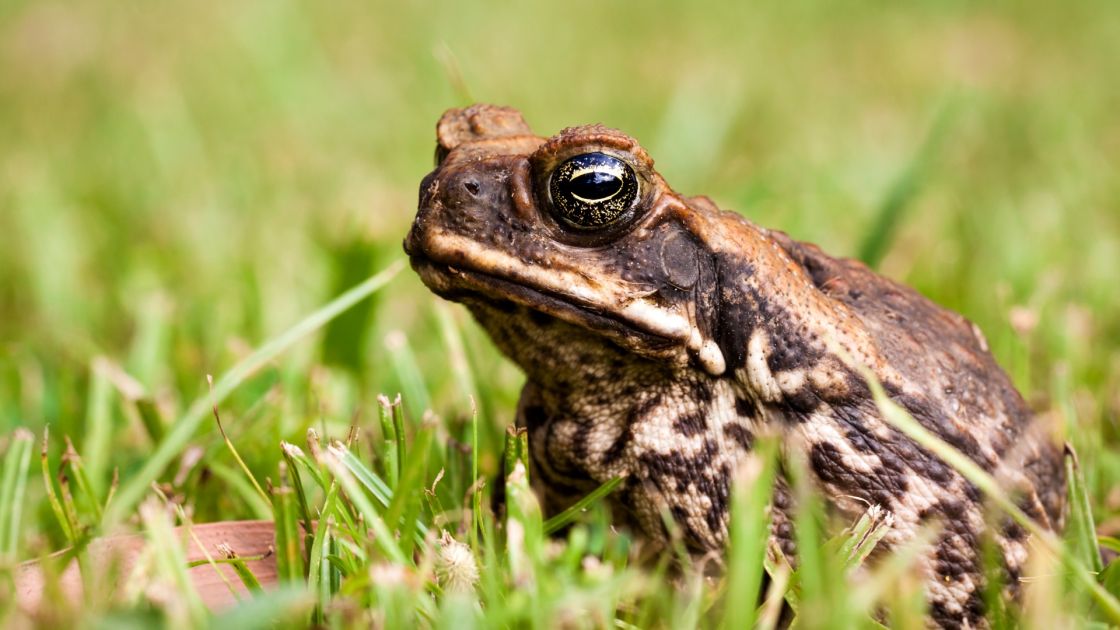
A cane toad spotted last week in Grange has been found and removed from the area overnight.
It follows calls from the South Australian Government for the public to check their vehicles for unwanted hitchhikers and keep a look out for the notorious pest, after a cane toad was also found and removed from Whyalla last month.
A cane toad was sighted near the Grange Wetlands last week by a member of the public and reported three days ago to the Department of Primary Industries and Regions (PIRSA), prompting PIRSA’s biosecurity response staff to search the area.
The cane toad was thankfully found and removed by PIRSA overnight, but a second sighting in South Australia within two months serves as a reminder to the public to be vigilant, check their vehicles and luggage when travelling into our state from other parts of Australia, and report any suspected sightings as soon as possible.
Cane toads are an invasive pest that are well established in other parts of Australia, and while they are not known to have established wild populations in South Australia, a small number is detected each year.
These detections have typically arrived by accident in cars, caravans, freight and luggage from the Northern Territory and Queensland, and occasionally from Bali and Fiji. Each cane toad that shows up in our state poses a risk to our unique wildlife and domestic animals.
Cane toads produce toxins that can be fatal to animals that attempt to eat them, including pets and native wildlife.
The public is being urged to report any suspected cane toad sightings, and to remember that cane toads can be mistaken for native frogs, including the harmless eastern banjo frog, or other introduced pest species such as the Asian black-spined toad.
If you see a suspected cane toad:
- Do not kill it.
- Contain it in a plastic container with a small amount of water – about 1cm – and if you touch it directly, wash your hands afterwards.
- Take a photo.
- Report it to the Pest Alert Hotline on 1800 084 881 or the Department of Primary Industries and Regions’ (PIRSA) Invasive Species Unit on 08 7133 9328.
- Wait for advice from PIRSA Biosecurity officers, who can help confirm the identification and advise appropriate next steps.
- Do not release or relocate it.
Cane toads are generally more active at dusk and during the night, particularly in warm conditions when insects gather around outdoor lighting. Travellers should remain alert during these periods and report any suspected sightings as soon as possible.
Community reports play an important part in protecting South Australia’s environment, native wildlife and pets from invasive pest species.
For more information, visit cane toad.