
Cane toad reported at Grange – public urged to keep watch
Thursday 26 November 2026 BiosecurityMedia release
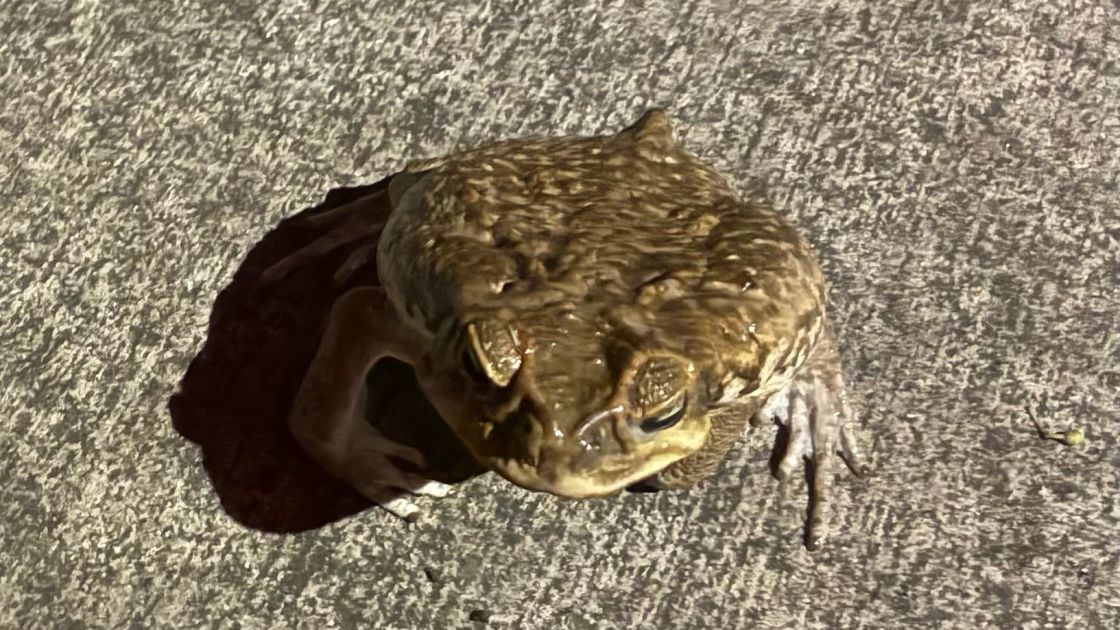
The public is being urged to look out for a cane toad recently reported at Grange Lakes, with early detection critical to preventing the invasive pest from becoming established in South Australia.
The cane toad was reported to the Department of Primary Industries and Regions (PIRSA) by a member of the public on Tuesday, 24 November 2026, after being spotted a few days earlier, approximately 100 metres north of Grange Road, Grange.
Cane toads are an invasive pest established in other parts of Australia but are not known to have established wild populations in South Australia. Individual toads can arrive accidentally in vehicles, freight and luggage, posing a risk to the state’s native wildlife and domestic pets.
Cane toads produce toxins that can be fatal to animals that attempt to eat them, including native wildlife and domestic dogs.
Although cane toads are not established in South Australia, a small number are detected each year after being accidentally transported into the state. The circumstances surrounding how this toad arrived at Grange are not yet known.
PIRSA Biosecurity staff searched the area on Tuesday night, 24 November, the same day the sighting was reported, but did not locate the toad.
Staff will continue searching the area where the toad was spotted each night, using spotlights to help locate it. Members of the public are also being asked to keep an eye out, particularly around street lights, where cane toads often gather to feed on insects attracted to the light.
If anyone spots the toad, they are asked to take a photo and report it to PIRSA. If safe to do so, the toad can be contained in a plastic container with approximately 1 cm of water while awaiting advice from Biosecurity officers.
PIRSA is urging the public to report suspected cane toad sightings rather than attempt to identify them themselves. Reports allow Biosecurity officers to confirm the species and determine the appropriate response.
Cane toads can be mistaken for native frogs, including the harmless eastern banjo frog, or other introduced pest species, such as the Asian black-spined toad.
What to do if you suspect you have found a cane toad
- Do not kill the cane toad.
- If safe to do so, contain it in a plastic container with approximately 1 cm of water. If you touch the cane toad, wash your hands afterwards.
- Take a photo.
- Report the sighting by contacting the Pest Alert Hotline on 1800 084 881 or PIRSA’s Invasive Species Unit on 08 7133 9328.
- Wait for advice from Biosecurity officers, who can help confirm the identification and advise on the appropriate next steps. Do not release or relocate the animal.
Cane toads are generally more active at dusk and during the night, particularly in warm conditions when insects gather around outdoor lighting. Residents in the Grange area are encouraged to remain alert during these periods and report any suspected sightings promptly.
Community reports play an important role in protecting South Australia’s environment, native wildlife and pets from invasive pest species.
For more information, visit cane toads.