
Don't let cane toads hitch a ride into SA
Thursday 22 October 2026 BiosecurityMedia release
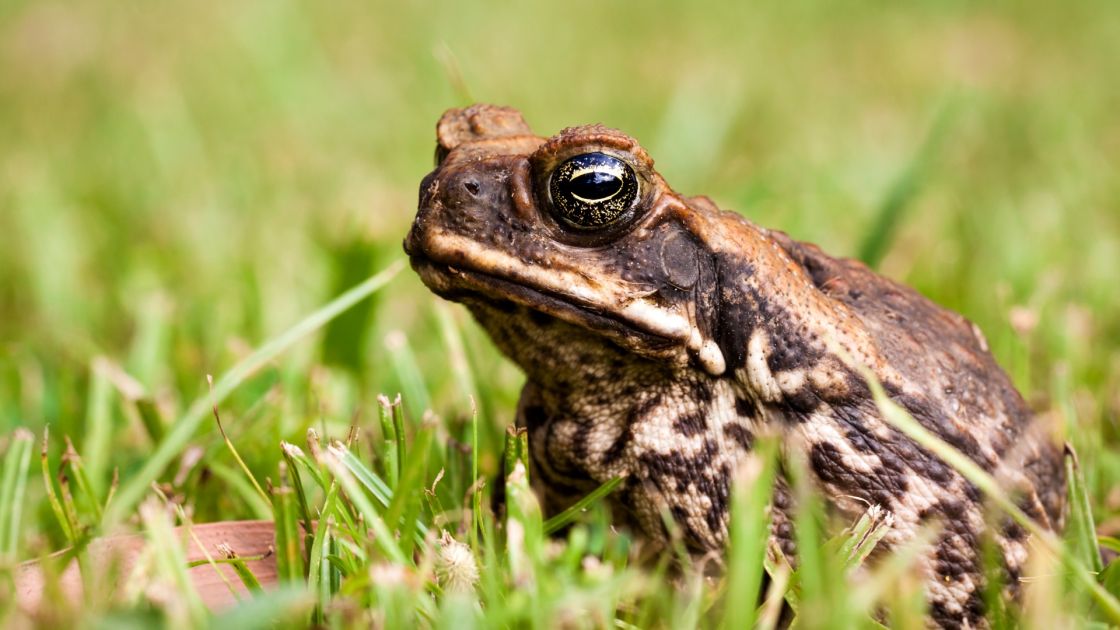
The South Australian Government is urging travellers to check their vehicles for unwanted hitchhikers after a cane toad was found on a road in Whyalla this month.
The adult cane toad was found near a caravan park and is believed to have arrived accidentally in a vehicle from northern Australia.
Cane toads are an invasive pest that are well established in other parts of Australia, and while they are not known to have established wild populations in South Australia, a small number is detected each year.
These detections have typically arrived by accident in cars, caravans, freight and luggage from the Northern Territory and Queensland, and occasionally from Bali and Fiji. Each cane toad that shows up in our state poses a risk to our unique wildlife and domestic animals.
Cane toads produce toxins that can be fatal to animals that attempt to eat them, including pets and native wildlife.
The public is being urged to report any suspected cane toad sightings, and to remember that cane toads can be mistaken for native frogs, including the harmless eastern banjo frog, or other introduced pest species such as the Asian black-spined toad.
If you see a suspected cane toad:
- Do not kill it.
- Contain it in a plastic container with a small amount of water – about 1cm – and if you touch it directly, wash your hands afterwards.
- Take a photo.
- Report it to the Pest Alert Hotline on 1800 084 881 or the Department of Primary Industries and Regions’ (PIRSA) Invasive Species Unit on 08 7133 9328.
- Wait for advice from PIRSA Biosecurity officers, who can help confirm the identification and advise appropriate next steps.
- Do not release or relocate it.
Cane toads are generally more active at dusk and during the night, particularly in warm conditions when insects gather around outdoor lighting. Travellers should remain alert during these periods and report any suspected sightings as soon as possible.
Community reports play an important part in protecting South Australia’s environment, native wildlife and pets from invasive pest species.
For more information about cane toads, visit cane toad.