
H5 bird flu testing update 27 August
Thursday 27 August 2026 BiosecurityMedia release
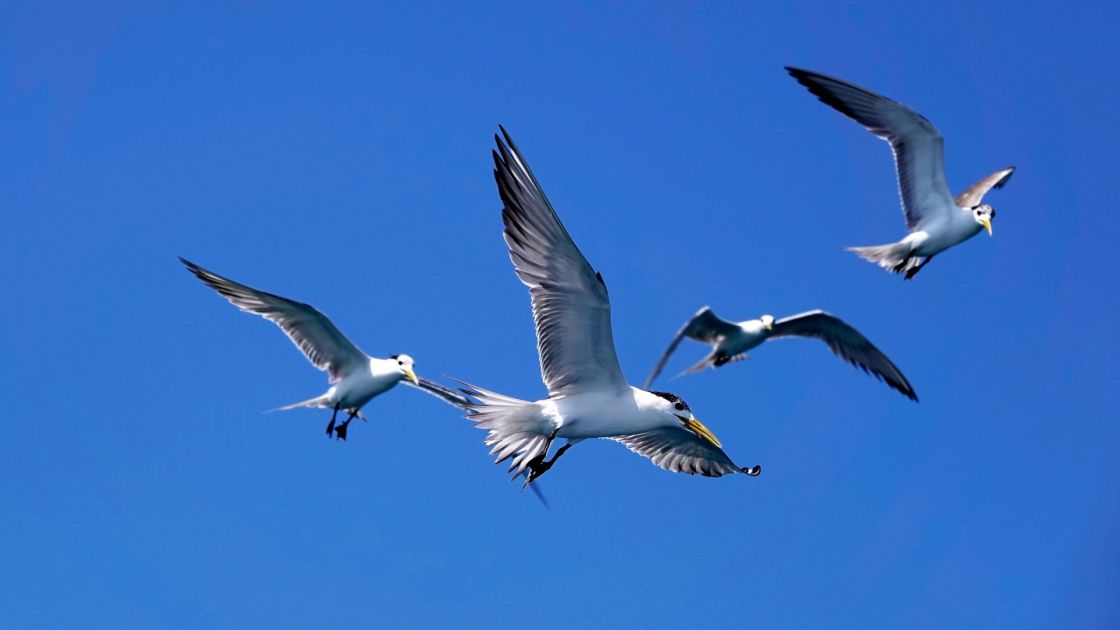
The CSIRO’s Australian Centre for Disease Preparedness (ACDP) has confirmed 8 new H5 bird flu events in South Australia since yesterday’s update.
The new confirmed cases include:
- Greater crested tern
- Adelaide Hills – Stirling
- Metropolitan – Glenelg
- Eyre Peninsula – Pearson Island, Rocky Island, South Neptune Islands, and Williams Island
- Pied cormorant
- Kangaroo Island – Haines, and Seal Bay
There have now been 203 confirmed H5 bird flu events in South Australia.
South Australians are encouraged to continue being vigilant in reporting sick and dead birds and other wildlife. If you have any concerns regarding H5 bird flu and your pets, please contact your vet in the first instance.
A further 10 suspect H5 bird flu events in South Australia have been detected since the last update, bringing the current number of suspect events to 43. These include:
The new suspect events include:
- Australian raven
- Kangaroo Island – Kingscote
- Brown falcon
- Limestone Coast – Mount Schank
- Greater crested tern
- Adelaide Hills – Kersbrook
- Fleurieu Peninsula – Wattle Flat
- Metropolitan – Grange, and Hallett Cove
- Pied cormorant
- Metropolitan – Moana
- Yorke Peninsula – Wallaroo
- Black-faced cormorant
- Kangaroo Island – Emu Bay
- Silver gull
- Eyre Peninsula – Port Lincoln
Samples from these events have been sent to ACDP for confirmatory testing, with results expected to be known in the coming days.
In line with national protocols, the South Australian Government recently changed how we report on H5 bird flu detections.
Reporting is now based on events, rather than individual animal detections, where an event may involve one or more animals. The number of positive events captures all previously reported individual confirmed detections.
An interactive map is available on the H5 bird flu website with up-to-date information on event locations: see current situation
There remains no H5 bird flu detections in poultry or other livestock. The risk to human health of H5 bird flu remains low.
For information on how to keep your pets and backyard birds safe please visit the H5 bird flu website: see birdflu.sa.gov.au/pets.
If your dog or cat is sick and showing signs consistent with bird flu, particularly after contact with sick or dead birds, please phone your private veterinarian.
Engagement with primary industries, the wildlife sector, and the broader South Australian community continues as part of the South Australian Government’s commitment to deliver the most comprehensive and effective wildlife and industry surveillance, reporting and preparedness efforts possible.
Avoid touching sick or dead birds and other wildlife. Record what you see. Report it to the Emergency Animal Disease Hotline on 1800 675 888.
For the latest updates, information and advice about H5 bird flu in South Australia, including how to register for upcoming community forums, including tonight (27 August) at Port MacDonnell, visit birdflu.sa.gov.au.