
SA birding community answers call to form nation-leading bird flu response collaboration
Tuesday 14 July 2026 BiosecurityEmergencies and recoveryMedia release
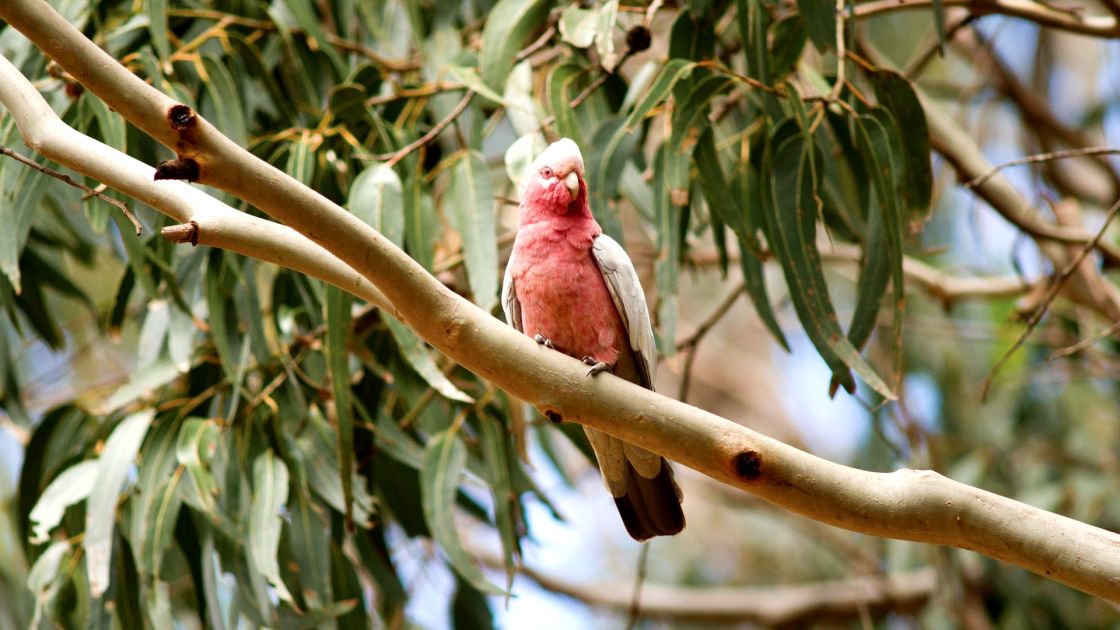
The Malinauskas Government is partnering with Conservation Council SA, Birds SA and BirdLife Australia to deliver a training program empowering birders to contribute to South Australia’s bird flu response.
The nation-leading training program has been co-designed with the three groups, combining the abundance of local expertise their members hold about wildlife in the coastal and wetland systems with current response plans.
Under the program, volunteers will be invited to sign up for the Bird Observers Network and receive specialised training to identify sick birds that may be showing signs associated with H5 bird flu in the wild and record and report observations to support the State Government’s response.
The program also provides an opportunity for the State Government to share with volunteers the latest situational awareness, guidance and associated safety protocols.
This collaboration will enhance the current surveillance network for H5 bird flu and bolster the response through knowledge sharing and joining forces for a common purpose.
The partnership with Conservation Council SA, Birds SA and BirdLife Australia was developed through the State Government’s H5 Bird Flu Stakeholder Roundtable.
South Australia has recorded five confirmed cases of H5 bird flu in seabirds, including in a greater crested tern, which is native to Australia. The other four cases were detected in giant petrels, which are migratory.
This support will add to the ongoing surveillance measures across the state, including the largest aerial survey undertaken in South Australia in more than four decades, covering almost 5,000 kilometres of coastline, islands and reefs, which found no evidence of widespread impacts from H5 bird flu on wildlife.
Bird flu has not been detected in commercial poultry and it has not become established in any part of Australia.
South Australia has been preparing for H5 bird flu for the past few years, with the State and Federal Governments investing a combined $8.1 million into PIRSA to boost its emergency response capabilities, surveillance, diagnostics, workforce capability and overall readiness.
A further $3.5 million has been invested into the Department for Environment and Water from the Federal Government to support preparedness and resilience building activities for the environment and at-risk wildlife.
Federal funding has also been allocated to the Zoo and Aquarium Association to help safeguard threatened native species at Cleland Wildlife Park, Adelaide Zoo and Monarto Safari Park.
What you can do
The community is encouraged to report any dead or sick birds or wildlife showing signs of bird flu. Possible signs of bird flu in birds include:
- multiple sick or dead birds in one location
- weakness, inability to stand or fly
- neurological signs or abnormal behaviour
- swelling or discolouration of the head
- respiratory distress
If you see sick or dead birds or other wildlife, do not touch them.
Avoid contact. Record what you see. Report it to the Emergency Animal Disease Hotline on 1800 675 888 from anywhere in Australia.
For more information, visit birdflu. For information on bird flu preparedness in South Australia, visit avian-influenza.