
Know the fruit fly lifecycle and help stop the spread
Wednesday 18 November 2026
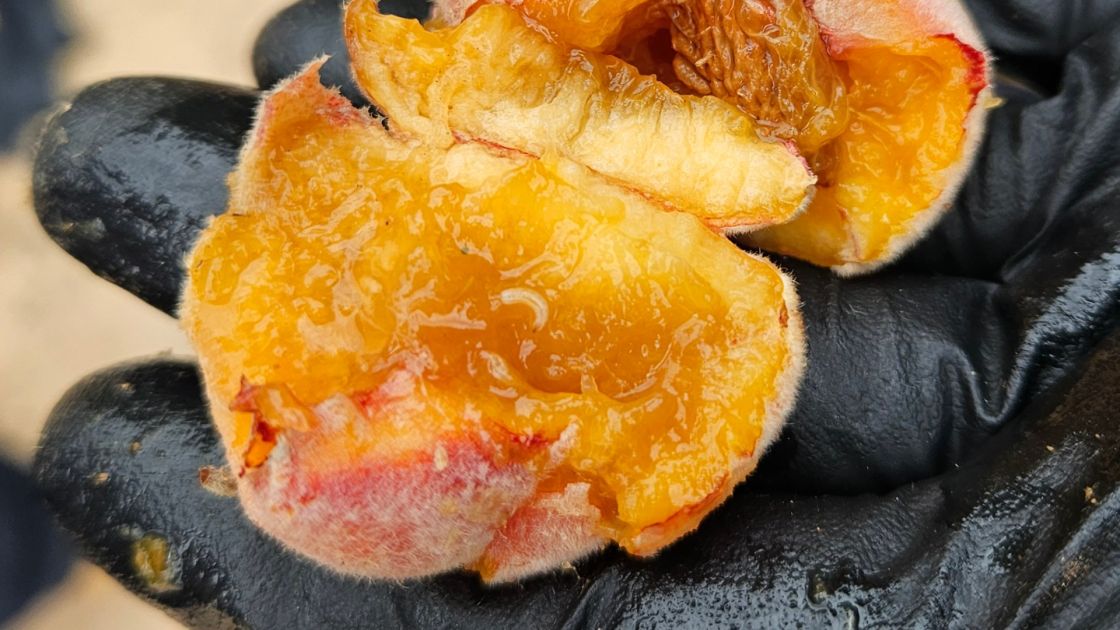
With stone fruit season rapidly approaching, the Department of Primary Industries and Regions (PIRSA) is encouraging people with backyard fruit to understand the Queensland fruit fly life cycle and take a few simple steps to help reduce opportunities for the pest to breed and spread.
"Queensland fruit fly is one of the world’s most destructive horticultural pests and a prolific breeder," said Jason Size, General Manager of PIRSA’s Fruit Fly Response.
"Like many insects, it has different stages of its lifecycle, and knowing how to target each stage is key to its control," said Mr Size.
The cycle begins when an adult wild fruit fly lays eggs in ripening fruit. While you can’t see the eggs, you may see a strange 'sting mark' on the fruit. Eggs then hatch into larvae – or maggots, as they are more commonly known – which feed inside the fruit.
"This is why there are restrictions on moving home-grown produce," explained Mr Size. "Eggs and maggots can be easily spread without you even realising it.
"When infested fruit falls to the ground, the maggots emerge and burrow into the soil, where they develop into pupae. This means they create a protective case around themselves, and transform into a fly, ready to emerge from the soil and start the breeding cycle all over again.
"For this reason, people in outbreak areas should not compost produce at risk of fruit fly, or feed it to animals by leaving it on the ground," said Mr Size.
"Understanding this process shines a spotlight on why good garden hygiene and regular fruit collection are so important."
Anyone growing fruit or fruiting vegetables at risk of fruit fly can:
- Pick: Harvest ripe fruit and vegetables promptly. Always remove excess or unwanted produce hanging on trees. This reduces the opportunity for fruit fly to lay eggs.
- Collect: Regularly collect fallen fruit and dispose of it correctly. Never leave rotting fruit on the ground. This prevents maggots from burying into the soil.
- Check: Inspect your home-grown fruit for unusual marks, soft spots or maggots.
- Call: If you suspect fruit fly, seal the item in a plastic bag or airtight container, and call 24-hour Fruit Fly Hotline on 1300 666 010.
"By regularly picking ripe fruit and collecting fallen or unwanted produce, you can help prevent fruit fly from breeding and completing its life cycle. These simple actions, when carried out consistently, can make a real difference in reducing fruit fly numbers and helping protect our gardens and local growers."
You can learn more about the fruit fly life cycle and the controls PIRSA uses at fruitfly.sa.gov.au.
Current outbreak end dates
As of Monday 16 November 2026, the end dates for all outbreaks remain as:
- Riverland: 1 February 2027
- Riverland Zone 2: 7 January 2027
- Elizabeth East: 12 December 2026
Contact
PIRSA Family and Business (FaB) Mentors are available to support Riverland residents through this challenging time. FaB mentors are available for free, informal, confidential, and independent conversation in person or over the phone.
Riverland and Murraylands FaB mentors include:
- Robyn Cain – phone: 0411 633 085
- John Chase – phone: 0419 848 672
- Brent Fletcher – phone: 0439 409 430.