Australian plague locust update
Wednesday 27 May 2026 SARDIPestFacts

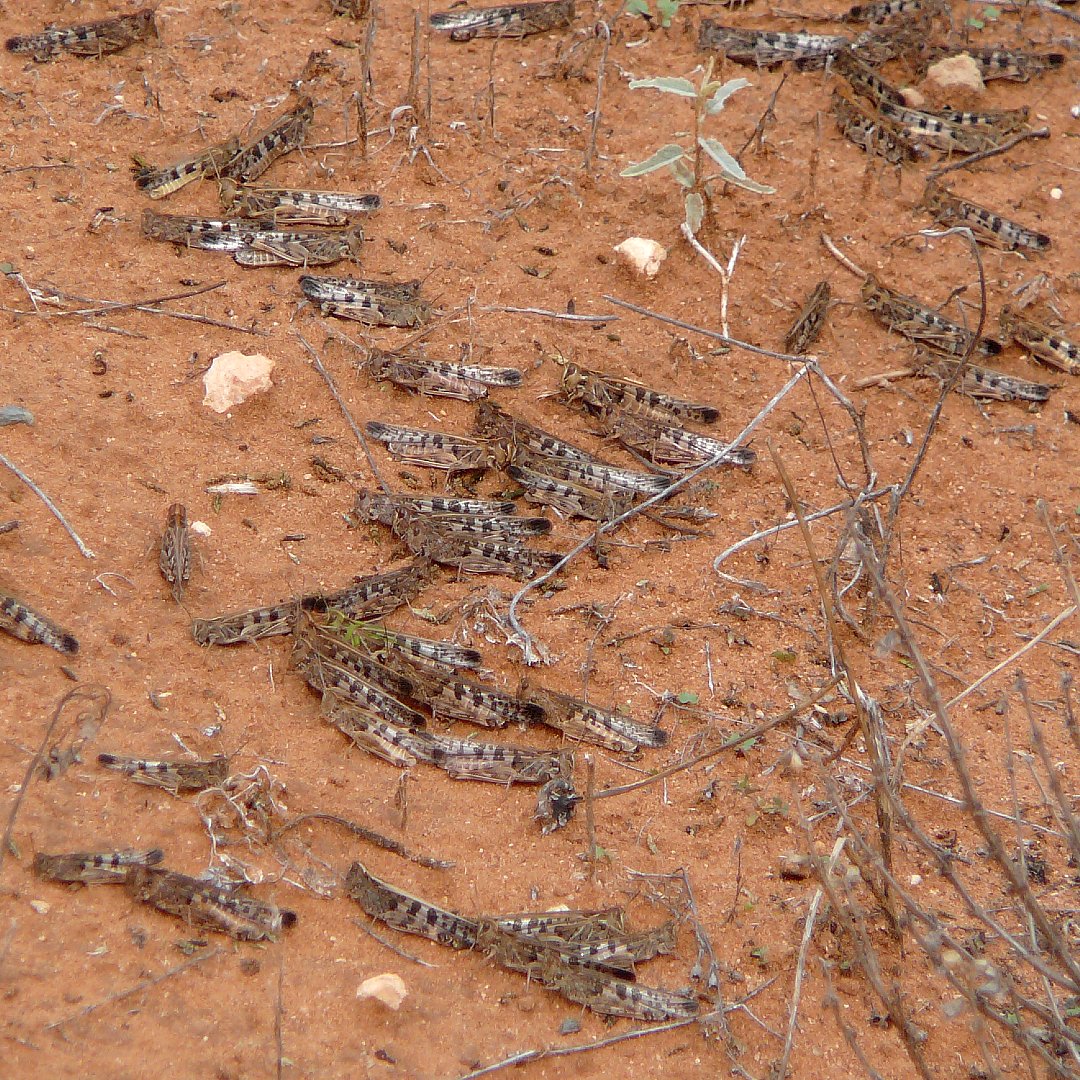
Following the record-breaking rainfall in February 2026, Australian plague locust activity has increased across parts of South Australia, particularly in the eastern Mallee and northern pastoral regions.
The current situation remains well below the major outbreak levels experienced during 2010, with overall swarm numbers and population densities considerably lower at this stage. However, low- to medium-density populations remain present across parts of South Australia and neighbouring eastern states.
Recent surveys in the eastern Mallee detected low-density swarms, with isolated and scattered medium-density swarms. Fully developed eggs were found in collected females, but the extent of egg laying and locations of egg beds could not be confirmed.
Current conditions, including abundant green feed and good soil moisture across pasture and mixed farming landscapes, continue to provide favourable conditions for locusts.
If favourable conditions persist through winter and early spring, there is potential for localised band formation and further population increases during September and October 2026, with unmanaged nymph bands potentially moving into nearby agricultural production areas later in the season.
PIRSA is continuing to work closely with the Australian Plague Locust Commission (APLC) to monitor the current situation in South Australia, determine predicted hatching date, and the likelihood of spring nymph band development.
Surveillance and risk assessment activities are ongoing, particularly in marginal agricultural and near-pastoral regions where locust populations may build and later move into higher-value cropping areas. These activities will help PIRSA inform producers in the Eastern Mallee and Upper and Western Eyre Peninsula cropping regions about:
- expected spring hatchings
- monitoring and potential control options
- support planning.
Landholders are encouraged to report locust activity and monitor paddocks regularly throughout winter and spring. Reports can be made via the Exotic Plant Pest Hotline on 1800 084 881 or through the PIRSA pest reporting portal.