
Blue-green aphids emerge as pulse crops establish
Thursday 23 July 2026 SARDIPestFacts
Blue-green aphids have been reported in medic on the Eyre Peninsula and faba beans in the South East. However, the current cool and wet winter conditions are expected to slow their development and population growth.
Early sowing in many regions, combined with mild temperatures and good soil moisture, has created ideal conditions for aphid survival and reproduction. Under these favourable conditions, small colonies can increase rapidly, particularly in young crops.
Blue-green aphids (Acyrthosiphon kondoi) commonly infest:
- lentils
- field peas
- faba beans
- lucerne
- medic.
Colonies often establish on crop edges or in isolated patches before spreading more widely through the paddock, making regular crop inspections important during the early stages of infestation.
Correct identification
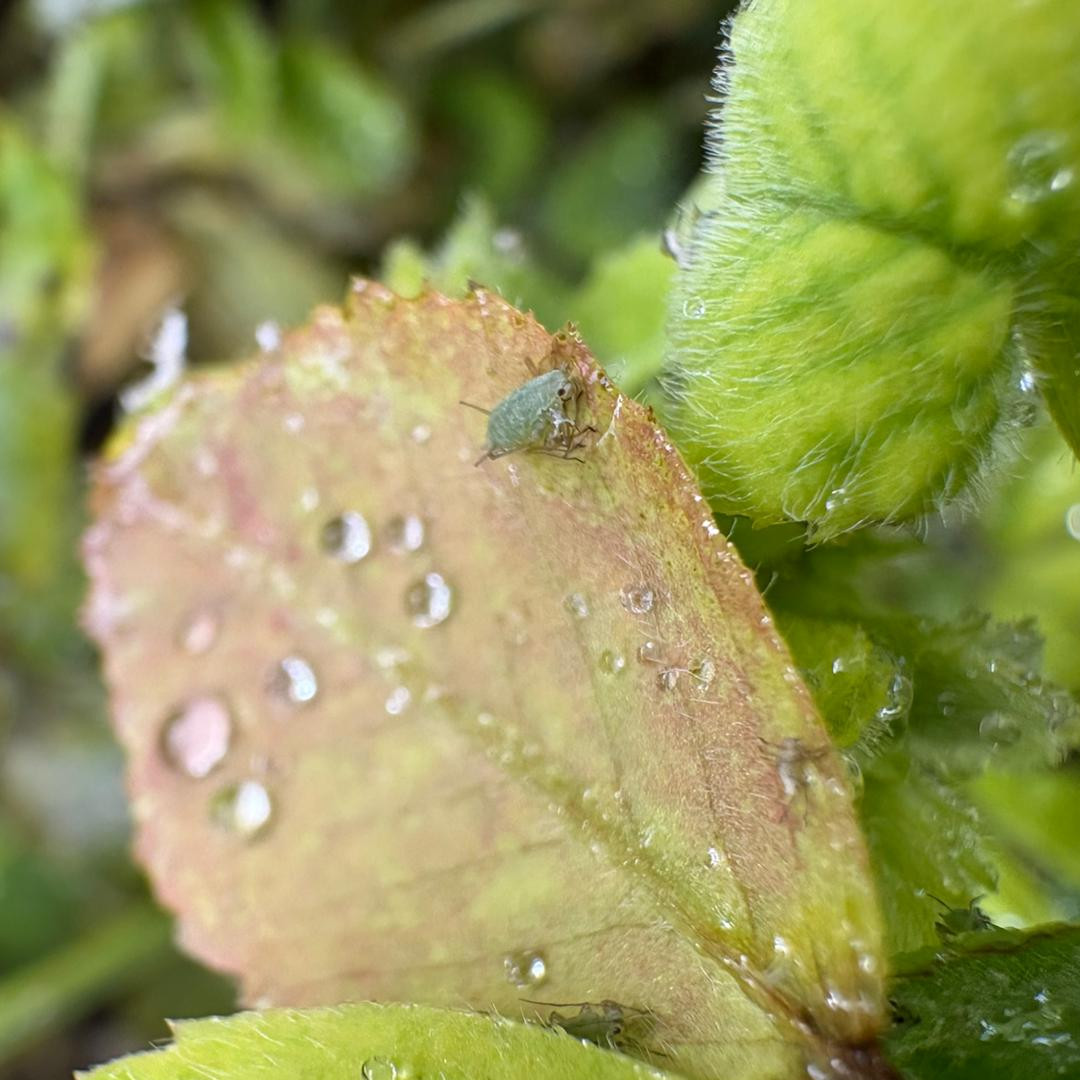
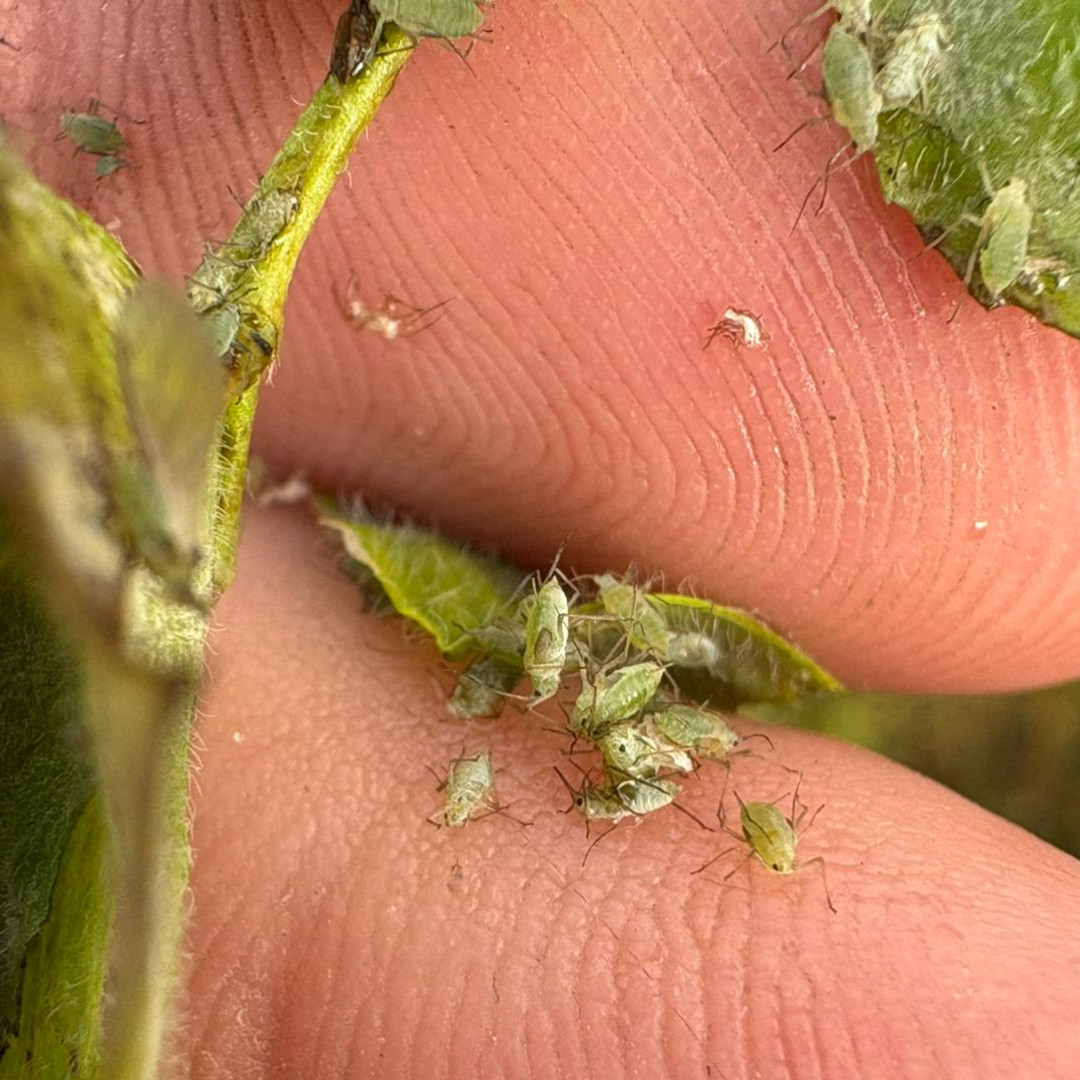
Blue-green aphids are often confused with pea aphids, as both species occur on pulse crops and pasture legumes. However, there are several features that can help tell them apart:
- pea aphids (Acyrthosiphon pisum) are generally light to bright green (although pink forms can occur), and have antennae with distinct dark bands
- blue-green aphids have a grey-green to bluish-green appearance with antennae that gradually darken towards the tip without obvious banding.
Blue-green aphids also have noticeably longer legs and cornicles (tail pipes at the end of the abdomen).
Because both species occur on legumes, taking a closer look at these features can help ensure correct identification.
If you're unsure which species is present, collect a sample or take clear close-up photographs for identification before making management decisions.
Crop symptoms and feeding damage
Blue-green aphids are active throughout autumn and winter but are usually most abundant during spring. They are mainly found on young leaves, stems and growing points, where both adults and nymphs feed by sucking sap from developing plant tissue.
Early infestations can reduce plant vigour, slow crop establishment and stunt seedling growth. As populations increase, leaves may curl, yellow or wilt, while heavily infested plants can become distorted and weakened.
In lucerne and medic, severe infestations can cause leaf curling, leaf drop and reduced dry matter production.
Like other aphids, blue-green aphids also produce honeydew, which promotes the growth of sooty mould especially in dry spring conditions. This black fungal coating can reduce photosynthesis and further affect plant growth.
Key monitoring and management tips
Regular crop inspections are the best way to detect infestations before they become widespread. Pay particular attention to crop edges and sheltered areas, where colonies often establish first, and examine growing points, stems and young leaves for aphid activity.
Keep records of affected paddocks to help identify recurring problem areas from season to season.
Before deciding on control, consider aphid numbers, crop growth stage and the activity of natural enemies such as ladybird beetles, lacewings, hoverfly larvae and parasitoid wasps, which can often help suppress aphid populations naturally.
If insecticide control is required, choose a product registered for the crop and aphid species, and follow label directions. To help delay resistance development and conserve beneficial insects, rotate insecticide mode of action groups when repeat applications are needed.
Note that blue-green aphid populations have developed widespread resistance to many older insecticides, including organophosphates, synthetic pyrethroids and carbamates, making product selection important.