Look for pests before grain goes in the silo
Wednesday 25 November 2026 SARDIPestFacts
Some pests can make their way into harvested grain directly from the paddock, while others can build up later in storage.
A quick check of grain coming off the header, along with getting silos and grain-handling equipment ready before harvest, can help avoid problems later.
Extra passengers at harvest
Harvest can bring unexpected passengers along with the grain. Insects living in the crop canopy, stubble or soil surface can be picked up by the header and end up in field bins, trucks or grain storage.
Earwigs are a good example, particularly during night harvest when many insects are more active. Caterpillars may also be collected from standing crops, while beneficial insects such as ladybeetles can be swept up from the canopy as they forage for aphids and other prey.
These insects are quite different from true stored-grain pests. Most are field-active species and are not adapted to feeding or reproducing in dry stored grain. Once they are separated from the crop, many will move through the grain mass looking for shelter, moisture or a way out. Earwigs and ladybeetles will often move towards the grain surface, where they may accumulate around the top of a bin or storage area. Where practical, allowing these insects an opportunity to escape can help reduce the number remaining in freshly harvested grain.
Finding insects in grain straight off the header does not automatically mean there is a storage infestation. You need to identify what is present and distinguish between temporary paddock hitchhikers and insects that are actually capable of surviving and breeding in stored grain.
Common pests in stored grain
Stored grain provides food and shelter for a range of insects, and under warm conditions populations can build surprisingly quickly. First indication of a problem could be:
- live beetles in a grain sample
- damaged kernels
- fine powder or dust accumulating in the grain
- heating and unusual odours within the storage.
A few of the more common stored-grain insects to look out for include:
- Grain weevils (Sitophilus spp.) are small, dark beetles around 2 to 4 millimetres long and are easily recognised by their long snout. Both rice weevil and maize weevil can attack whole grain. Their larvae develop inside individual kernels, so infestations are not always obvious until adults emerge, leaving small round holes behind.
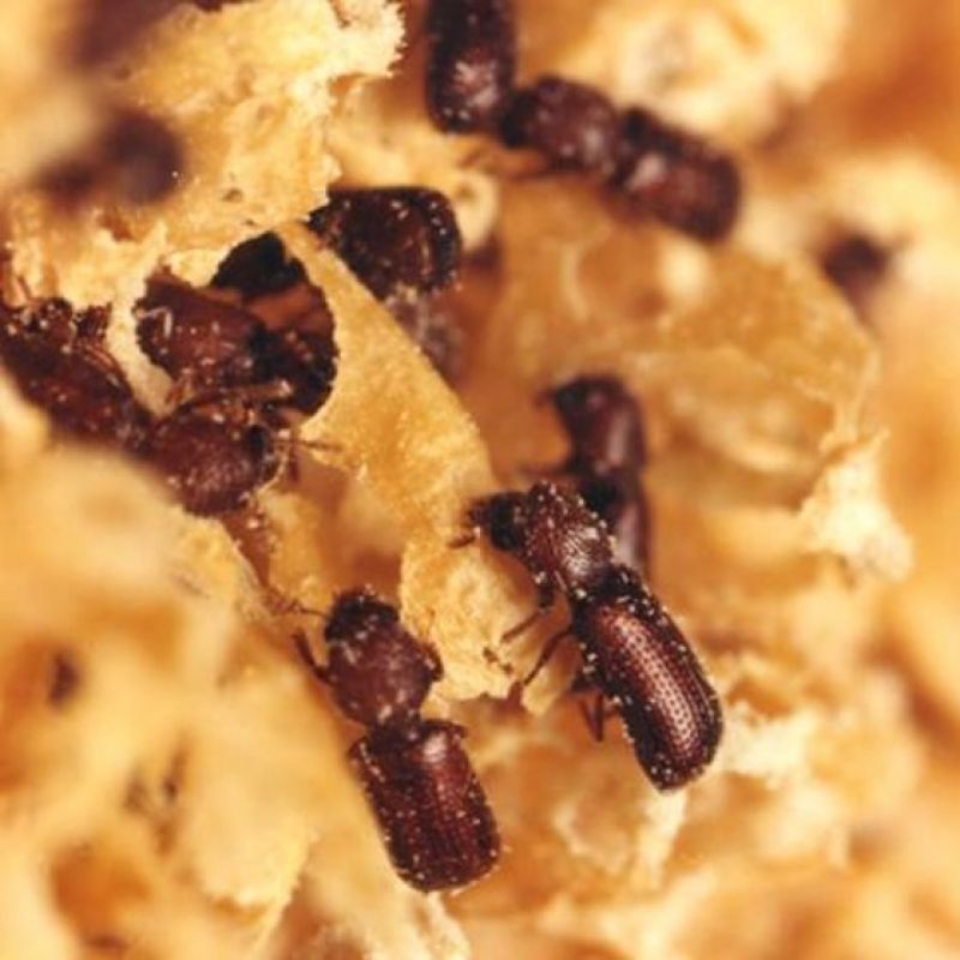
- Lesser grain borer (Rhyzopertha dominica) adults are small, cylindrical, dark-brown beetles, around 3 millimetres long, with the head tucked underneath the thorax, giving them a characteristic 'hooded' appearance. Adults and larvae can bore into whole grain, leaving damaged kernels and fine powder behind.
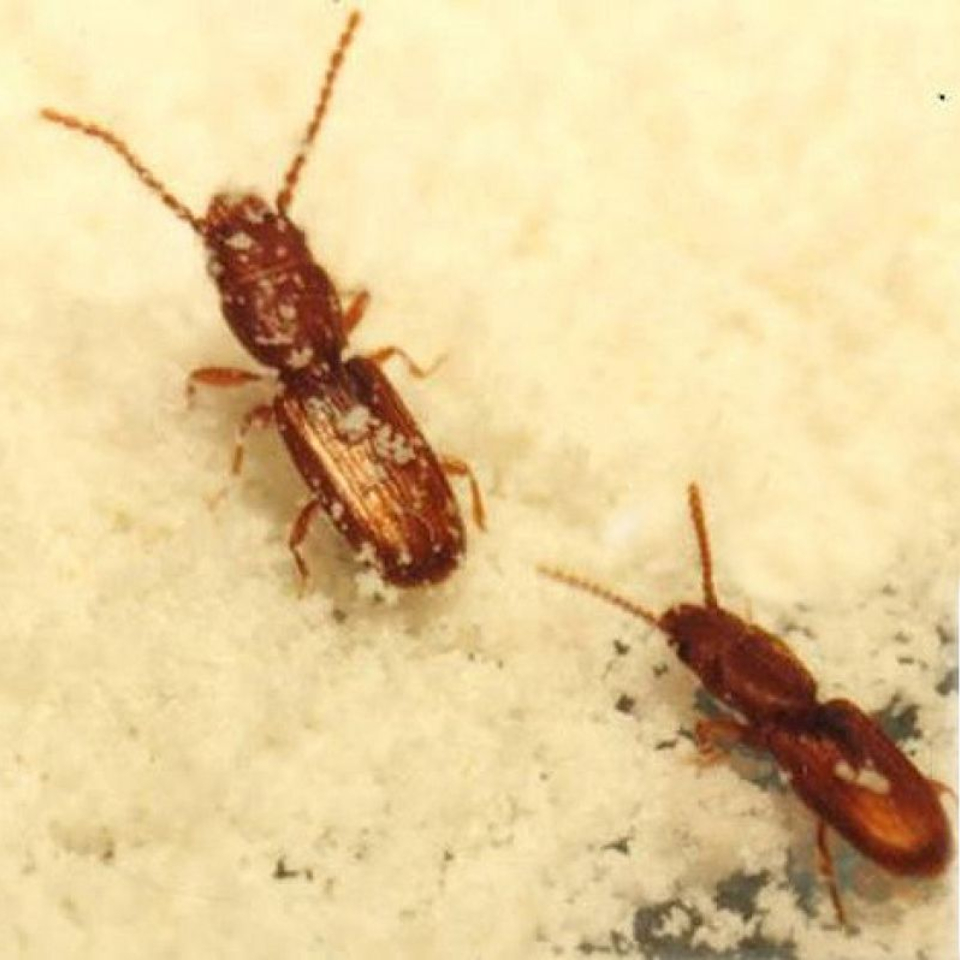
- Flat grain beetles (Cryptolestes spp.) and rust-red flour beetles (Tribolium spp.) are more commonly associated with damaged or broken grain and grain residues. These small reddish-brown beetles can move easily through stored grain, and large populations can contribute to heating, caking and deterioration in grain quality.
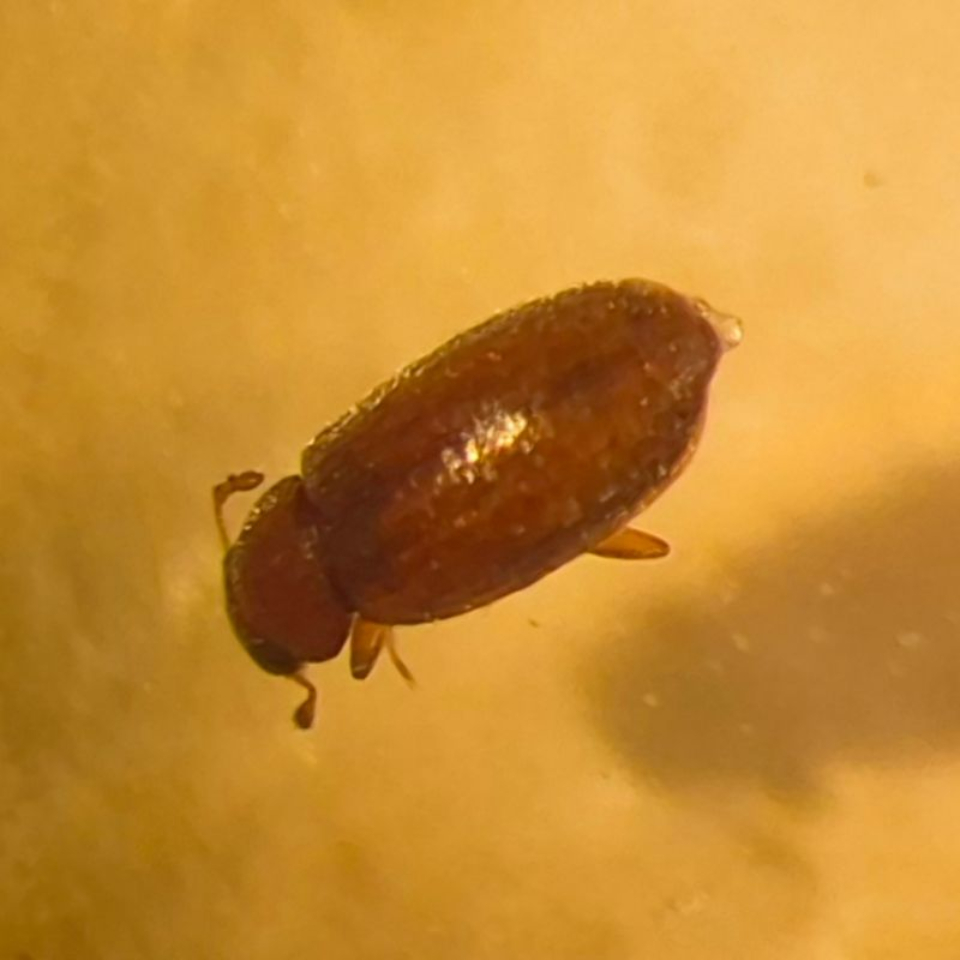
- Minute mould beetles (Cryptophagidae) are tiny reddish-brown beetles often associated with damp or mouldy grain and residues. They feed mainly on fungi and decaying material rather than the grain itself. Finding large numbers can therefore be a useful warning that moisture or mould is developing somewhere in the storage system.
Protecting grain in storage
Good stored-grain pest management starts before the first load goes into the silo. A few simple steps can help reduce problems later:
- Start clean – Before harvest, remove old grain, dust and residues from silos, augers, field bins, trucks and around storage areas. Even small amounts of leftover grain can harbour insects between seasons.
- Keep grain cool and dry – Use aeration cooling where available to slow insect development and reproduction, and help maintain grain quality.
- Monitor regularly – Check stored grain throughout summer using grain samples, sieves or traps so infestations can be picked up before populations build.
- Identify before you treat – If insects are found, confirm what they are first, so you can choose the most appropriate management option.
- Fumigate correctly when needed – Phosphine is widely used to control stored-grain insects, but it must only be used in a gas-tight, sealable storage and strictly according to label directions. Correct fumigation is important for effective control and for reducing the development of phosphine resistance.
Pea weevil damage may be hidden
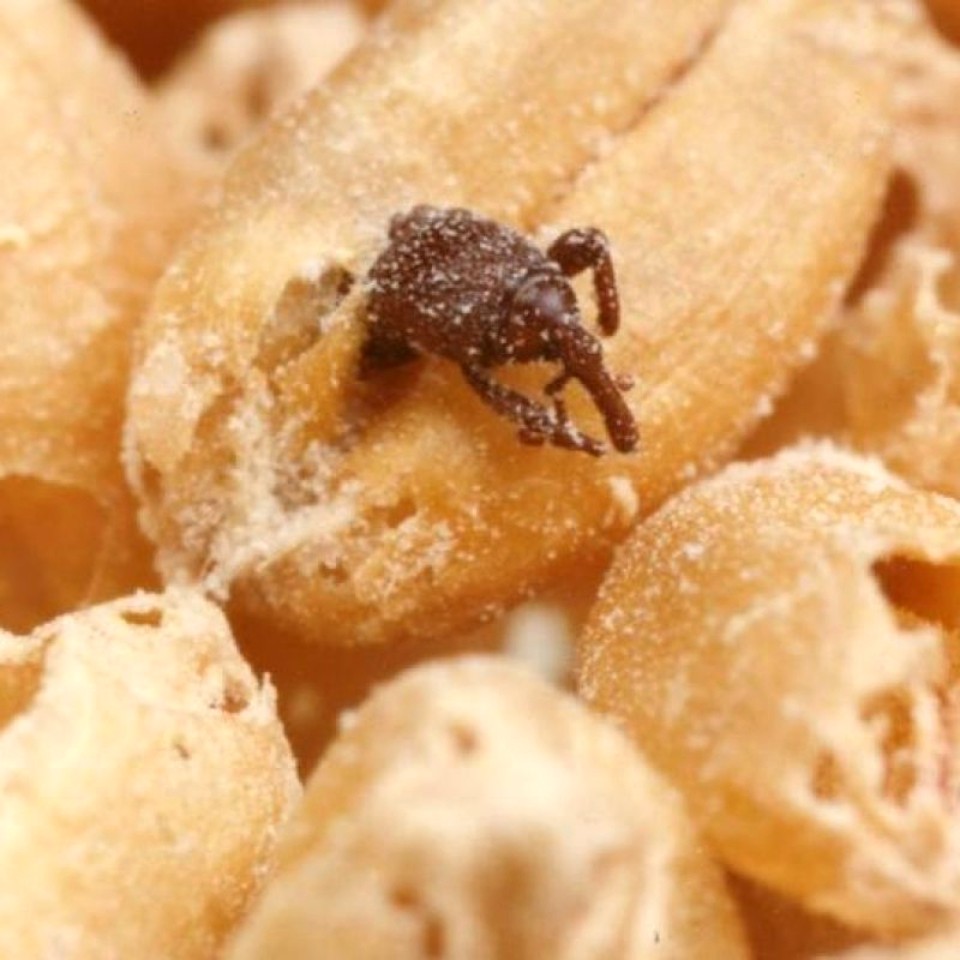
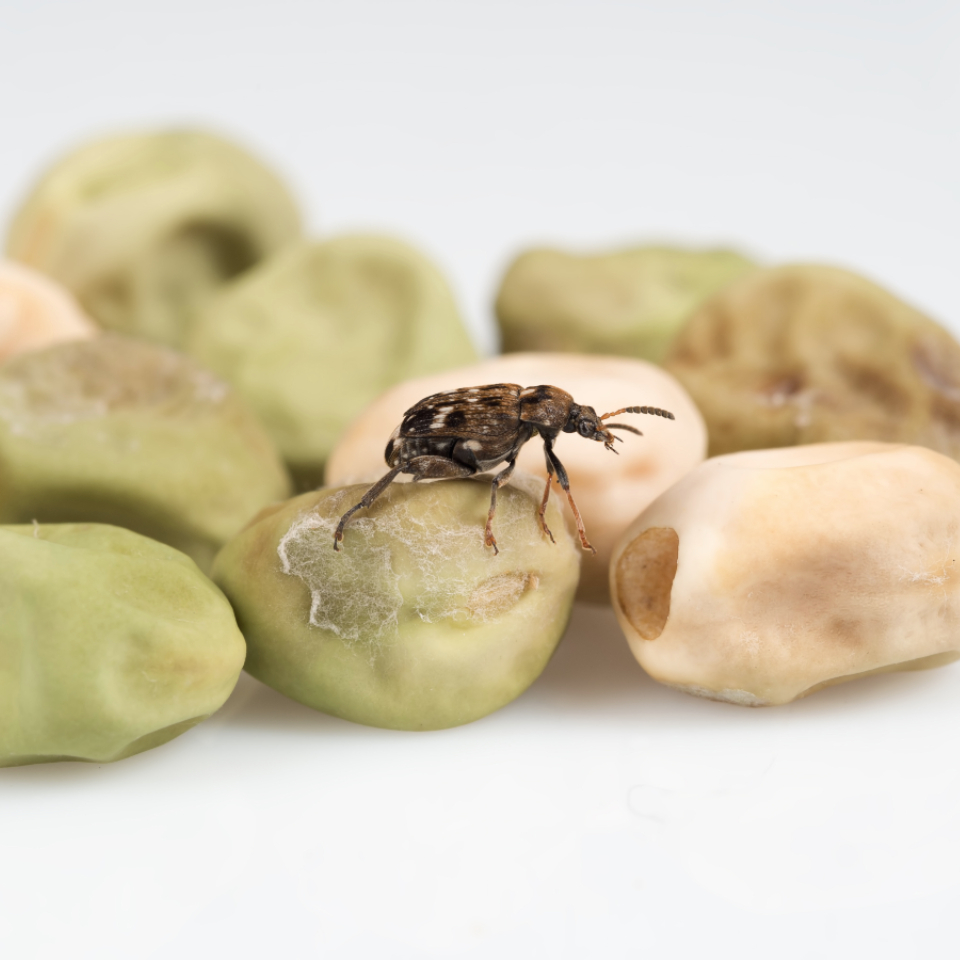
For field pea growers, pea weevil (Bruchus pisorum) is one pest that can easily go unnoticed until harvest. The damage starts much earlier in the season. Adult pea weevils move into flowering pea crops and lay their eggs on developing pods. Once the eggs hatch, the tiny larvae burrow through the pod and into developing seeds, where they continue feeding.
By harvest, infested peas can look reasonably normal from the outside, even though a larva or developing adult may be sitting inside the seed. As development continues, a circular 'window' can become visible on the seed surface, followed by the characteristic round exit hole, around 2 to 3 millimetres wide, from when the adult eventually emerges.
Infested grain can have reduced seed weight and quality, and checking for pea weevil is particularly important where grain is being retained for seed.
Harvesting field peas as soon as they are mature can help reduce the opportunity for adults to emerge in the paddock and move into nearby pea crops the following season.
Keep an eye out for Khapra beetle
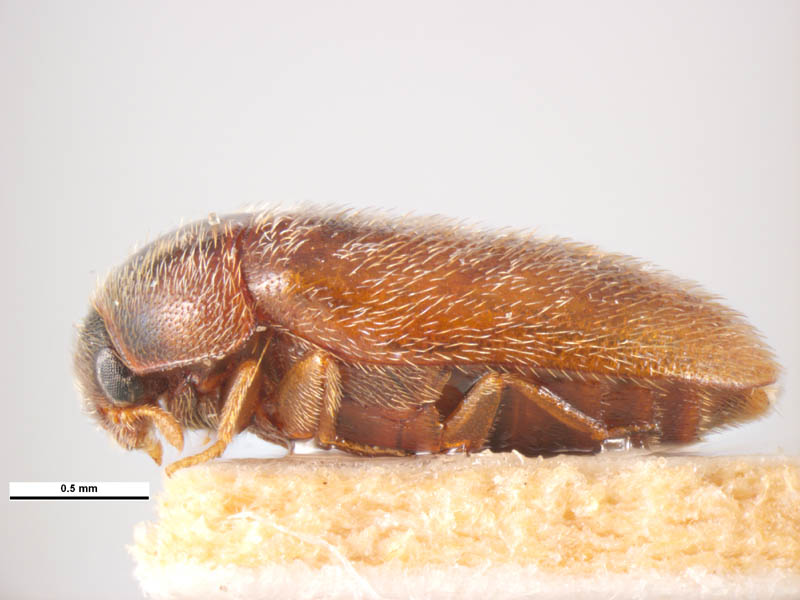
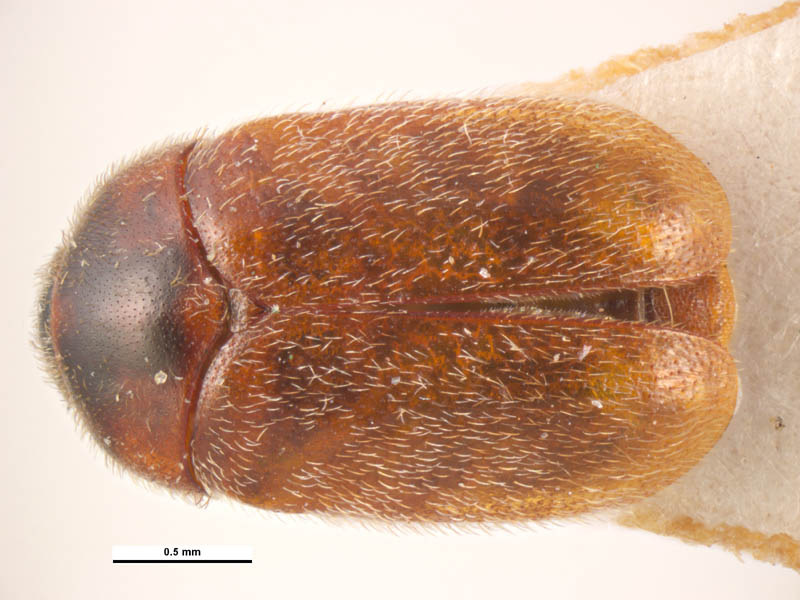
While checking stored grain, be aware of khapra beetle (Trogoderma granarium), one of Australia’s highest-priority exotic plant pests.
Khapra beetle is not established in Australia, and any suspect beetles or larvae should be taken seriously.
If you find something unusual that you suspect could be khapra beetle, do not move the material. Take clear photos if possible and report it immediately to the Exotic Plant Pest Hotline on 1800 084 881.