
Minimising snail contamination and summer management
Wednesday 4 November 2026
With more rainfall across many South Australian cropping areas this season, conditions have been favourable for snail activity and survival. In paddocks where snails are already established or paddocks with a history of snail problems, this may mean higher numbers are hanging around as we head towards harvest.
At this time of year, the main concern shifts from crop feeding to grain contamination. As temperatures rise and conditions dry out, snails climb plants and other upright surfaces to escape the hotter conditions at ground level. Unfortunately, this can put them right in the path of the header.
Watch out for these 4 Mediterranean snails:
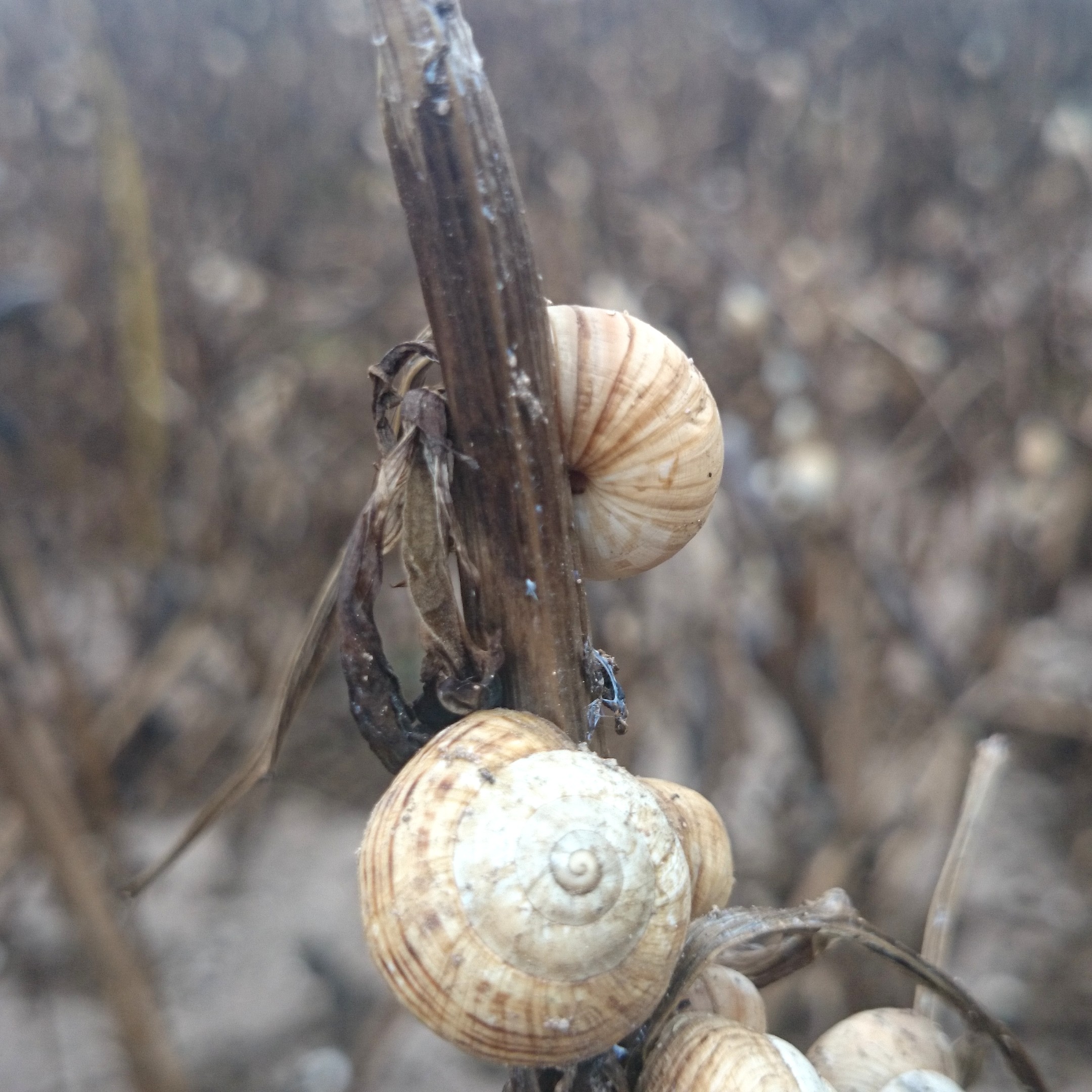
- White Italian snail (Theba pisana) – a medium-sized, round snail with a white to cream shell, often with variable brown bands. Commonly climbs crop plants, stubble and fence posts as conditions dry out.
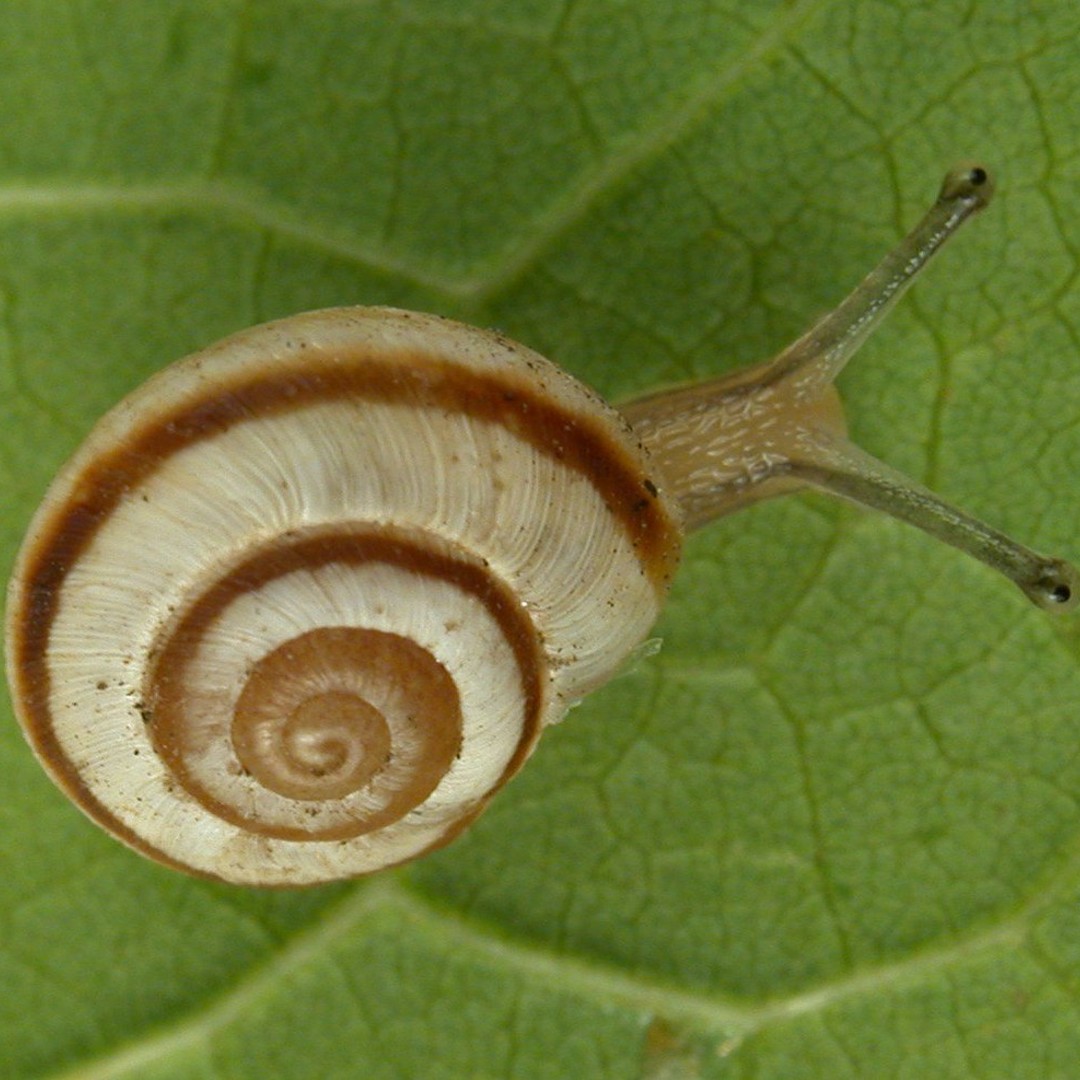
- Vineyard snail (Cernuella virgata) – a smaller round snail with a white or cream shell, usually with distinct brown bands or markings. Often found in large numbers on crops and stubble.
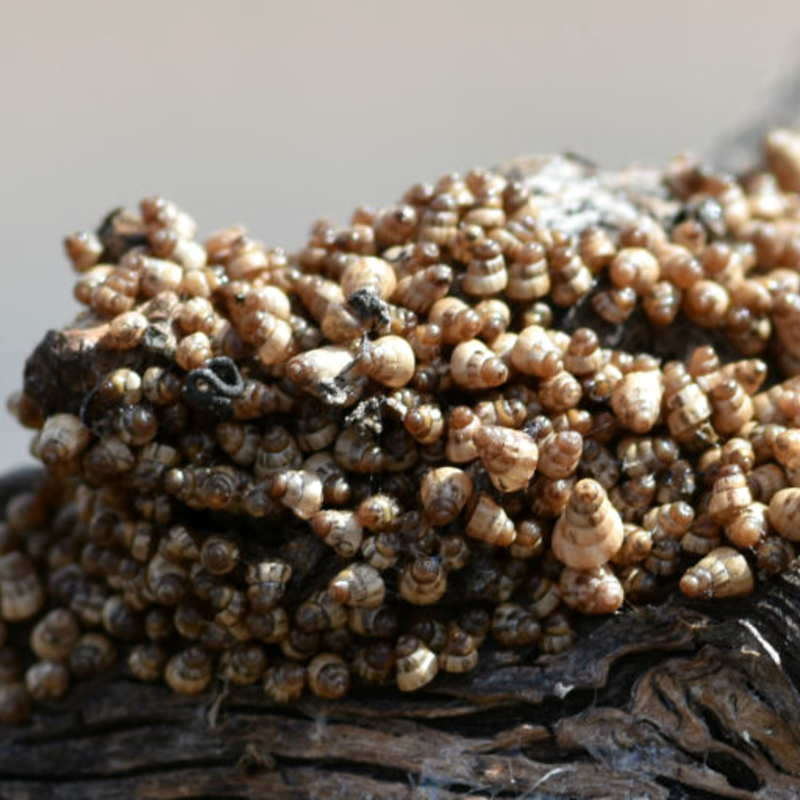
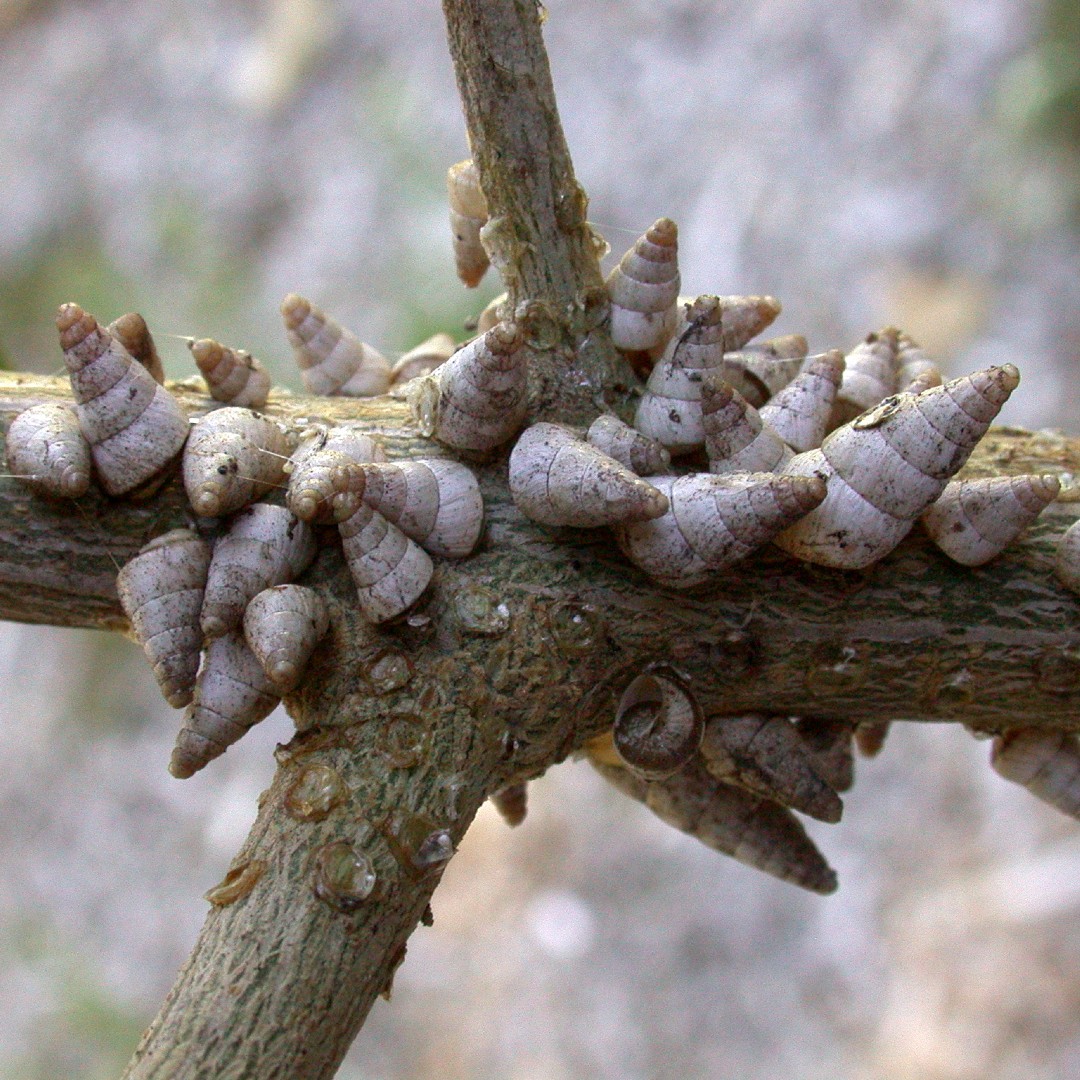
- Conical snail (Cochlicella acuta) – easily recognised by its long, narrow, pointed shell, which is generally white to cream with brown markings.
- Small pointed snail (Cochlicella barbara) – a small snail with a shorter, broader shell than the conical snail, often with brown bands or mottling.
Knowing which species are present is useful, as their behaviour and where they shelter can differ, which can influence both harvest and summer management.
Before harvest – know where your snails are
Don’t wait until snails turn up in the grain sample. In the lead-up to harvest, walk through paddocks with a history of snails to understand:
- how many are there
- where they are concentrated
- how high they have moved into the crop.
Snails are rarely spread evenly across a paddock. Check where numbers can be higher:
- known hotspots
- fence lines
- headlands
- weedy patches
- sheltered areas.
Knowing where the worst patches are before the header goes in can help you plan how to tackle the paddock at harvest.
Where snails are sitting lower in the canopy, increasing cutting height where practical may help leave some behind rather than taking them through the header. If numbers are high and contamination is likely to be an issue, consider what grain cleaning options are available before harvest gets underway.
It’s also worth thinking about harvest order. Snails can hitch a ride on headers, chaser bins and other machinery and be moved into paddocks where they weren’t previously a problem. Where possible, harvest clean or lower-risk paddocks first, leaving heavily infested paddocks until later, and clean machinery before moving back into cleaner areas.
Make a note of where you find the highest numbers – what you see at harvest is useful information for planning summer and autumn management, particularly if the same fence lines, headlands or patches keep showing up as snail hotspots year after year.
After harvest – make summer work for you
When harvest is finished, the focus shifts from avoiding grain contamination to reducing the number of snails that survive into the next season. South Australia’s hot, dry summer can work in your favour, particularly if snails are left with fewer places to shelter.
A good place to start is summer weed control. Green weeds provide snails with food, moisture and refuge during the dry months, helping them survive conditions that would otherwise be much harsher. Keeping paddocks and known snail hotspots free of summer weeds can reduce these refuges and support other summer control measures.
For white Italian and vineyard snails, summer also provides an opportunity for physical control. These round snails commonly move up standing stubble during hot weather to escape high temperatures at the soil surface. Once they are up, cabling, chaining or rolling can knock them back onto the ground and expose them to the heat. These treatments are most useful when snails have moved up the stubble and hot, dry conditions are expected to follow. Knocking them down during cooler conditions is less likely to achieve the same result.
Conical and small pointed snails need a different approach. They tend to shelter lower in the stubble, under residue or close to the soil surface, so knocking snails from standing stubble is less useful. For these species, removing summer weeds and other refuges is particularly important. Where appropriate, stubble management practices that reduce sheltered habitat can also help expose snails to hot and dry conditions.
Whatever species you are dealing with, the aim over summer is the same: reduce the number that make it through to autumn, when surviving snails become active again and the next management window begins.
Keep chipping away at the population
There is no one-off fix for snails. Good management comes from reducing numbers at every opportunity:
- check populations and where they are sit before harvest
- minime contamination and spread during harvest
- follow up with summer control.
When cooler and wetter conditions return, monitoring and baiting become important again, with early baiting aimed at reducing adult numbers before egg laying.
For SA growers with a history of snail problems, what happens around harvest and over summer can make a real difference. Fewer snails surviving now means fewer to manage next season and fewer with the potential to end up in the grain sample at the next harvest.