Stay ahead of RLEM: no-cost resistance testing by Cesar Australia and TIMERITE® timing
Tuesday 18 August 2026 SARDIPestFacts

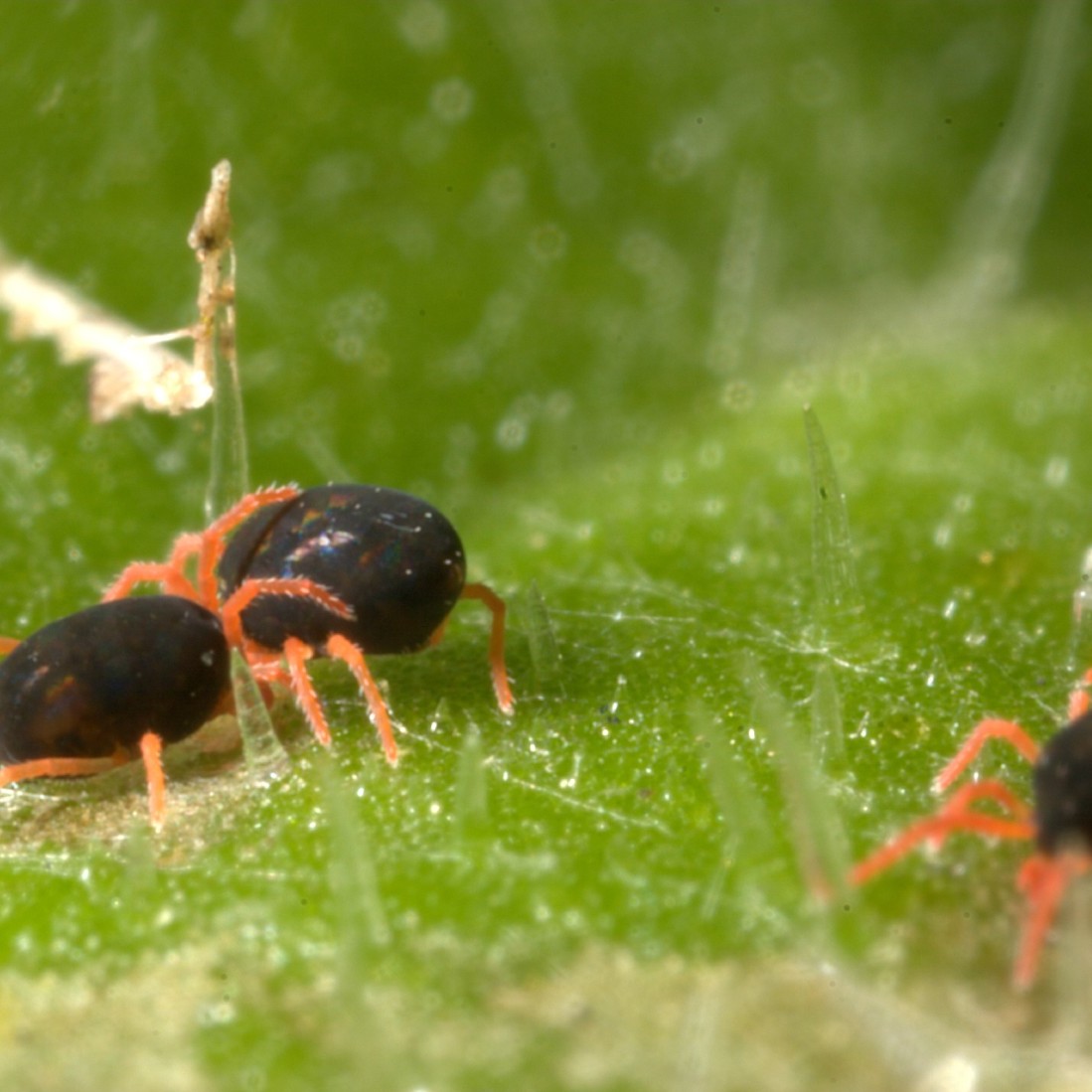
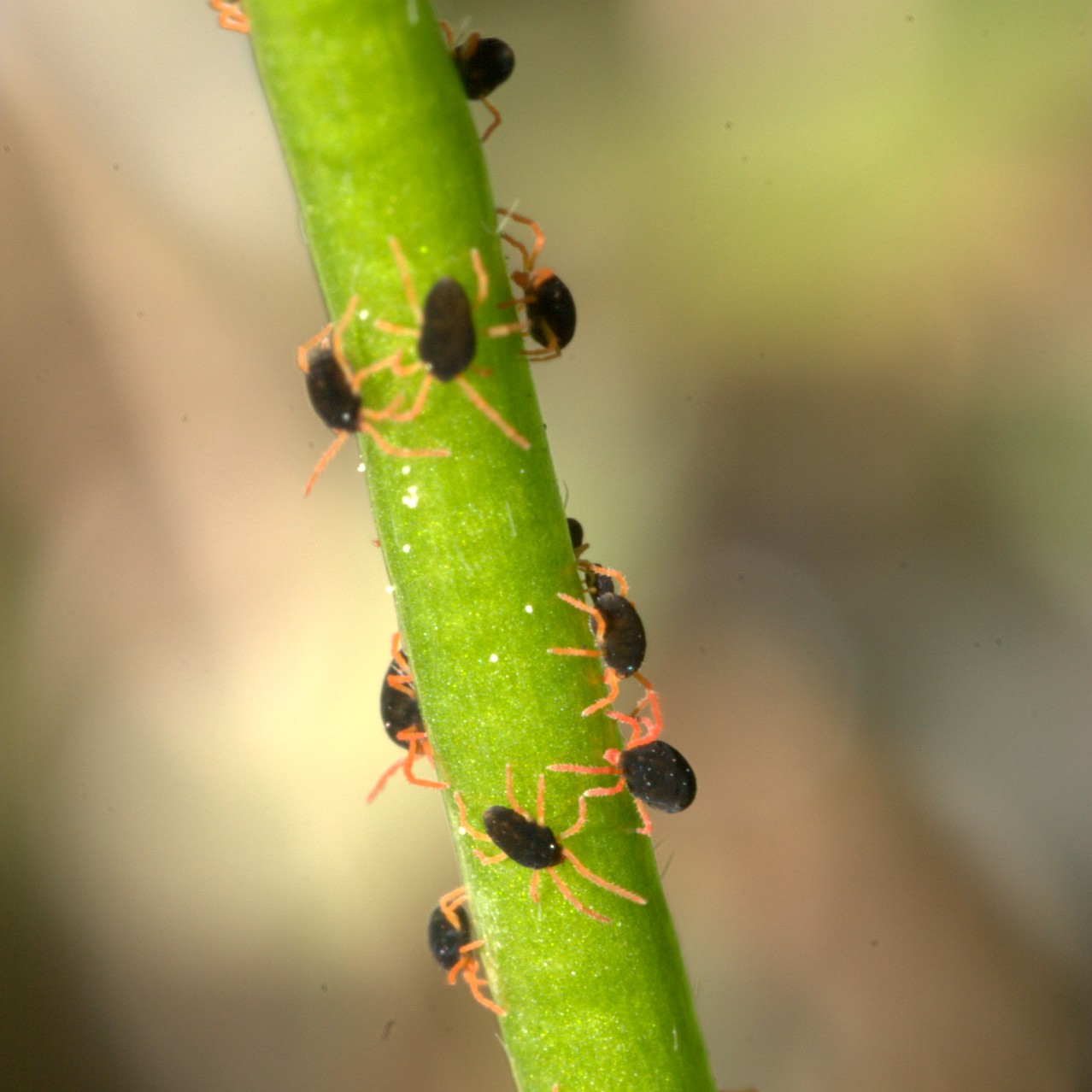
Redlegged earth mite (RLEM) is a major pest of Australian crops and pastures across the southern states. Chemical control remains an important management tool, but insecticide resistance is making some treatments less effective. Resistance to both synthetic pyrethroids (SPs) and organophosphates (OPs) is now widespread across mainland Australia, making it increasingly important to know what is happening in individual paddocks.
No-cost resistance testing available this year
This year, Cesar Australia is offering RLEM insecticide resistance testing at no cost to growers and agronomists through a GRDC-funded project.
Dr Aston Arthur from the Cesar Australia team will be travelling through South Australia in the coming months and can collect RLEM samples directly from properties.
Testing is particularly encouraged in paddocks where:
- a chemical control failure involving RLEM has been observed;
- there is a long history of insecticide use; or
- RLEM is a persistent problem that frequently requires spraying.
For paddocks with easy access, all that's needed is a GPS pin and Dr Arthur will take care of the rest. Growers who participate will receive a report outlining any resistance detected in their RLEM population, along with tailored management advice to help guide future control decisions.
Growers and agronomists who have concerns about RLEM control or would like to arrange resistance testing can contact Dr Aston Arthur on0427 875 040 or at aarthur@cesaraustralia.com.
Managing RLEM with resistance in mind
Whether or not resistance has already been detected, reducing unnecessary insecticide use is important for maintaining the effectiveness of the chemistry we still have available.
Before applying chemical control, monitor paddocks and assess pest numbers, crop damage, and the need for treatment. Where spraying is required consider insecticide resistance when selecting products and avoid repeated use of the same mode of action.
Advice on cultural controls and chemical windowing strategies for populations with different resistance profiles is available in the GRDC Redlegged Earth Mite Best Practice Management Guide (BPMG).
Thinking ahead to next season? Remember TIMERITE®
When planning a crop rotation that is likely to be at high risk of RLEM next season, such as canola following a grazed pasture, now is the time to think about reducing RLEM populations before they become a problem, TIMERITE® is another useful tool to consider.
The TIMERITE® model provides a recommended spring spray date for individual locations, timed to target RLEM before females produce large numbers of diapause eggs. These eggs are the mite's main strategy for surviving the hot, dry summer before hatching the following autumn.
Where a spring spray is appropriate, targeting RLEM around the recommended TIMERITE® date can help reduce the number of diapause eggs entering summer and, in turn, reduce RLEM populations in the following season. Across South Australia, TIMERITE® spray dates generally fall between late August and late September, so now is a good time to check the recommended date for your location and start planning ahead.
Importantly, TIMERITE® should be considered as part of an integrated RLEM management strategy rather than an automatic annual spray. Monitoring, paddock history, resistance status and other cultural and chemical management options should all be considered when deciding whether treatment is needed.