
Prepare for the 2026 season now
Friday 28 November 2025 PestFacts

As 2025 wraps up, now's a critical time to tidy paddocks and prepare for the 2026 cropping year.
Summer weeds and volunteer plants aren’t just competitors for moisture and nutrients; they serve as hosts and refuges for pests that threaten the next crop. A strategic summer clean-up will pay dividends next season.
Why summer weeds matter
- Summer weeds compete for moisture and key nutrients, reducing what’s available for crop establishment.
- Weeds host pests and act as a green bridge into the next season.
- Early control of weeds (when small and actively growing) improves herbicide efficacy and lowers resistance risk.
Pest risk starts now
- Summer broadleaf weeds, like marshmallow or regrowth canola, allow aphids (green peach aphid) and viruses (TuYV) to persist over summer, increasing early-season pressure.
- Mites, like the redlegged earth mite (RLEM), benefit from summer weeds that retain moisture and shelter, increasing autumn-hatch and feeding-risk at sowing.
- The green refuge of summer weeds and volunteer plants supports pest snails that damage seedlings and contaminate harvests.
- Soil-dwelling pests favour paddocks with high summer weed-loads or volunteer crops.
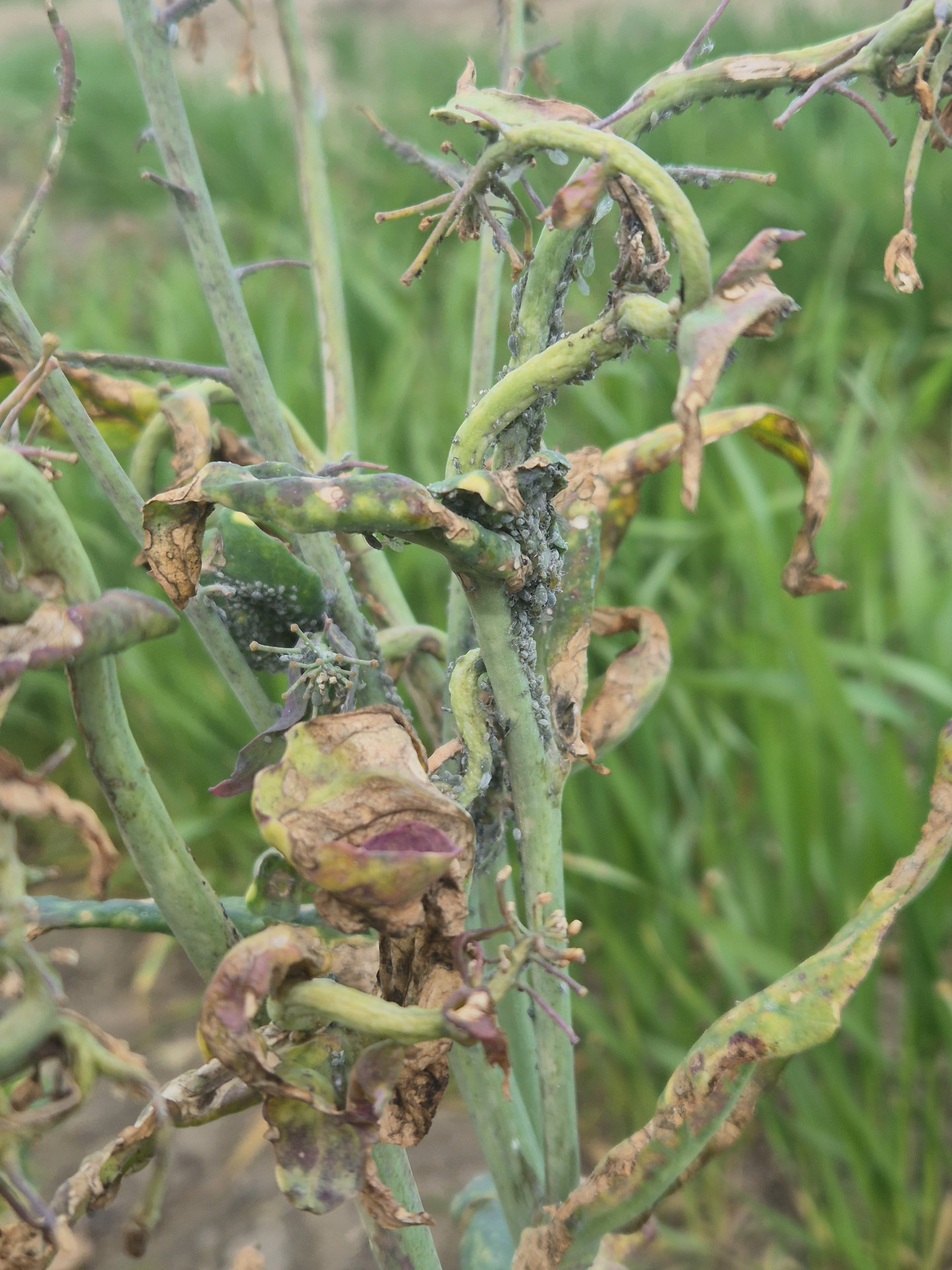
Weed and pest management over summer
You should:
- inspect paddocks now: identify high weed-load, volunteer crops, or past pest histories
- prioritise action: focus on paddocks with greatest risk (high weeds with a history of pests)
- monitor pests: use pitfall traps and visual checks for early pest presence
- clean it up: aim for a weed-free window 3 to 4 weeks ahead of sowing to break pest-host links
- use optical spot-spraying technologies: to help significantly reduce herbicide use in summer fallows, while maintaining effective weed control.
More information
- Summer fallow weed management
- GRDC Optical Spot Spraying Case Study
- Impact of weeds on Australian grain and cotton production
- Snail Identification and Control: The Back Pocket Guide
Report to PestFacts
Maryam Ehsangar
Phone: 0448 010 339
Email: maryam.ehsangar@sa.gov.au
Maarten van Helden – Maarten van Helden
Phone: (08) 8249 0642
Email: maarten.vanhelden@sa.gov.au