Watch for Rutherglen bug as canola ripens
Wednesday 4 November 2026 SARDIPestFacts

As canola crops move through pod fill and begin to ripen, Rutherglen bug (Nysius vinitor) is a pest worth keeping an eye on.
Rutherglen bugs are small but highly mobile insects that can seem to appear almost overnight.
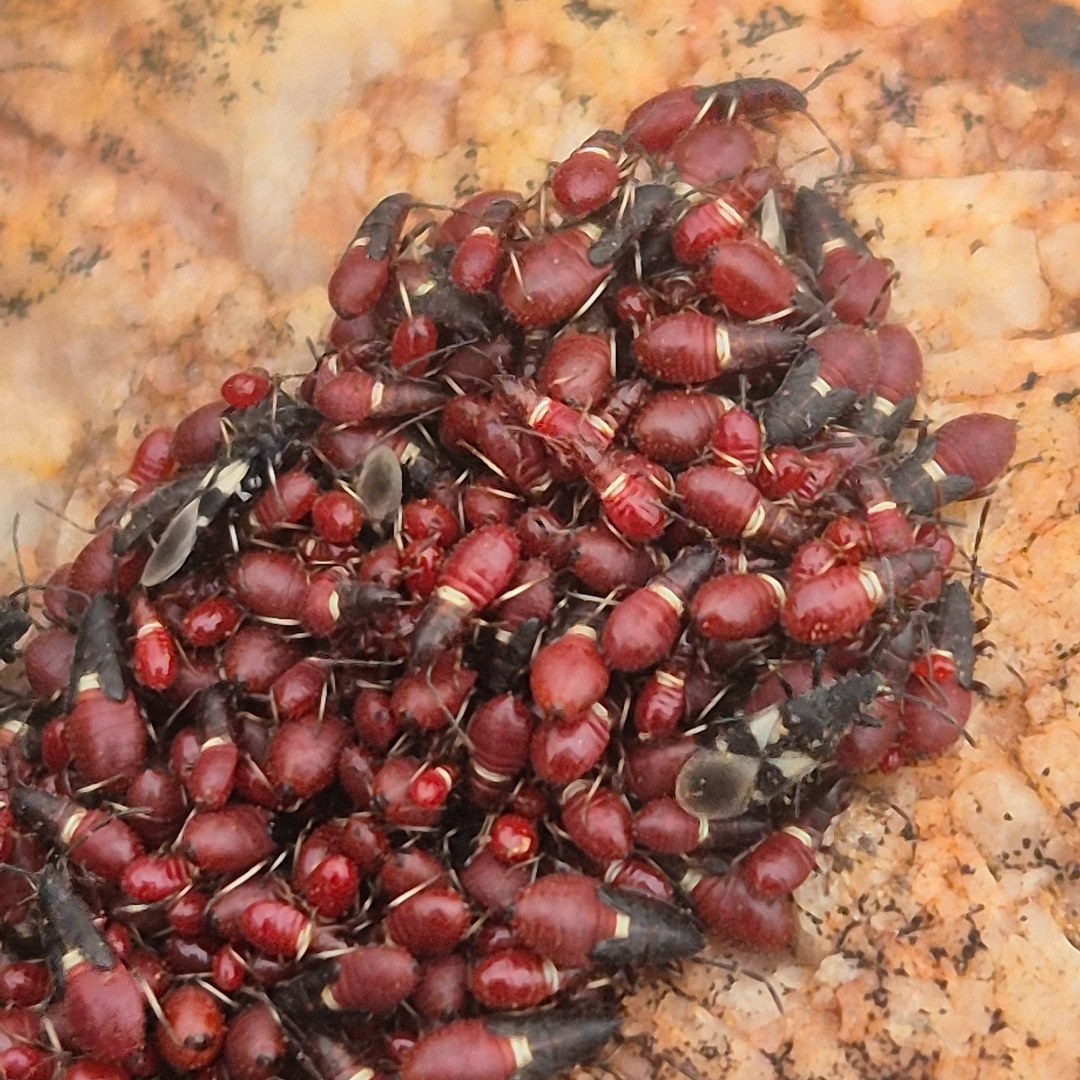
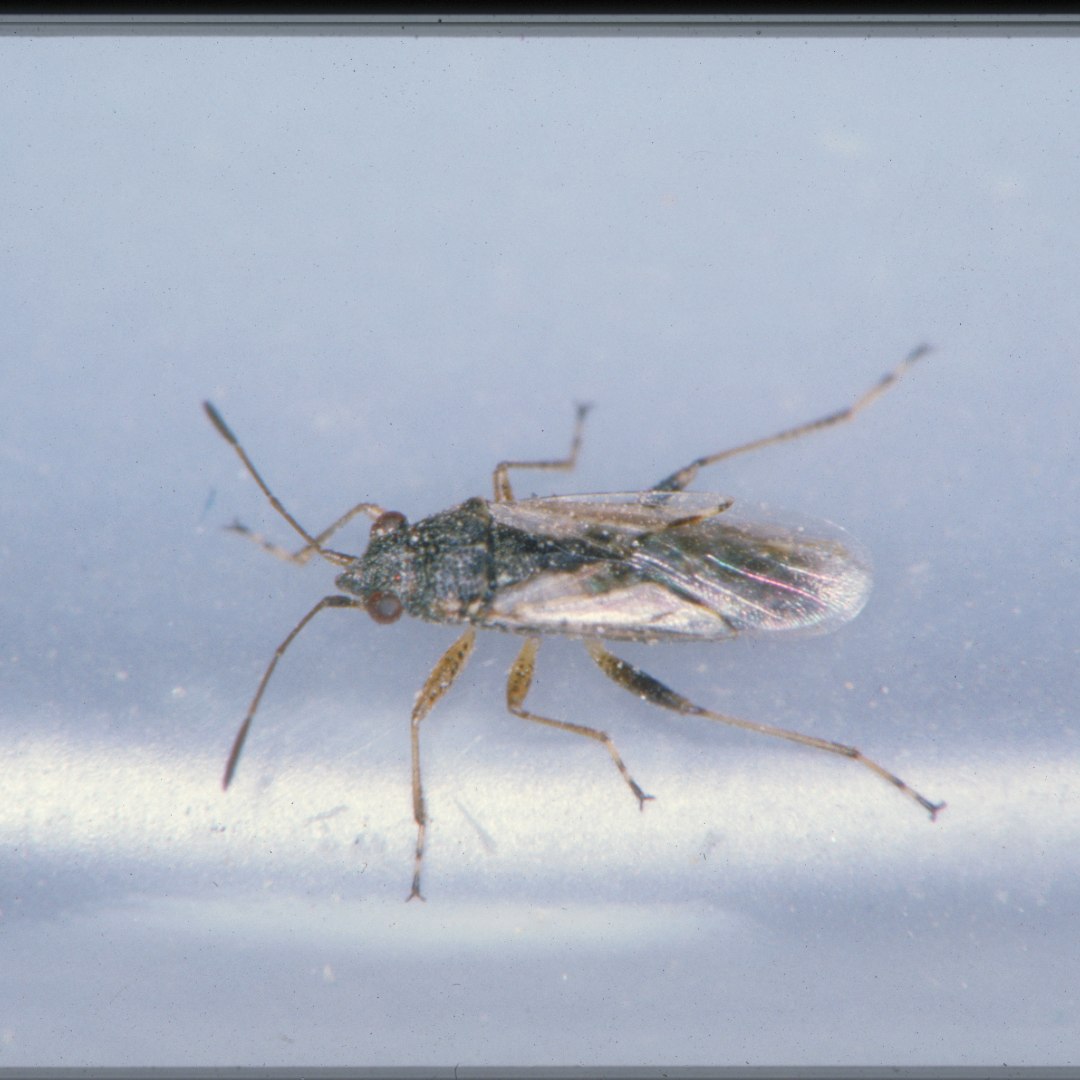
Adults are around 4 to 5 mm long, with a narrow grey-brown body and clear wings folded across the back. Nymphs are smaller, wingless and more rounded with a reddish-brown body.
Populations can build on a wide range of crops, weeds and pasture plants and will move as the hosts mature or dry off.
Warm conditions favour activity and population growth, with research showing numbers can increase rapidly when temperatures rise above about 20°C.
Risk as canola ripens
Rutherglen bugs feed using piercing-sucking mouthparts and can be found on stems, pods and other parts of the plant. Large populations can develop in canola, particularly later in the season as conditions become warmer.
Start monitoring around paddock edges and areas next to weeds or pasture, then move further into the crop to get a better picture of how widely bugs are distributed. Numbers can be patchy and can change quickly, so a paddock that had few bugs on one visit may look quite different the next time.
Large numbers can look alarming, but their presence alone doesn’t necessarily mean economic damage is occurring. Consider the crop stage, pest numbers, distribution across the paddock and evidence of feeding before making a management decision.
After harvest
Recent GRDC-supported research in north-west NSW found that large populations can build in canola stubble and canola volunteers after harvest. These populations were associated with those in nearby weedy pasture over summer, creating a potential ‘green bridge’ that can help Rutherglen bugs persist in the landscape.
For SA growers, particularly where large numbers are noticed in canola around harvest, look out for what happens after the crop comes off. Managing volunteer canola and summer weeds may help reduce the habitat available for populations to persist and build.
Rutherglen bug is a good example of a pest where what happens around the paddock can be just as important as what happens within it. Keep an eye on ripening canola now but also take note of where large populations are occurring, they may be useful clues to where bugs could persist next season.
More information
Canola best practice management guide for south-eastern Australia