
Spring spray drift reminder
Wednesday 23 September 2026 Primary industriesRegions
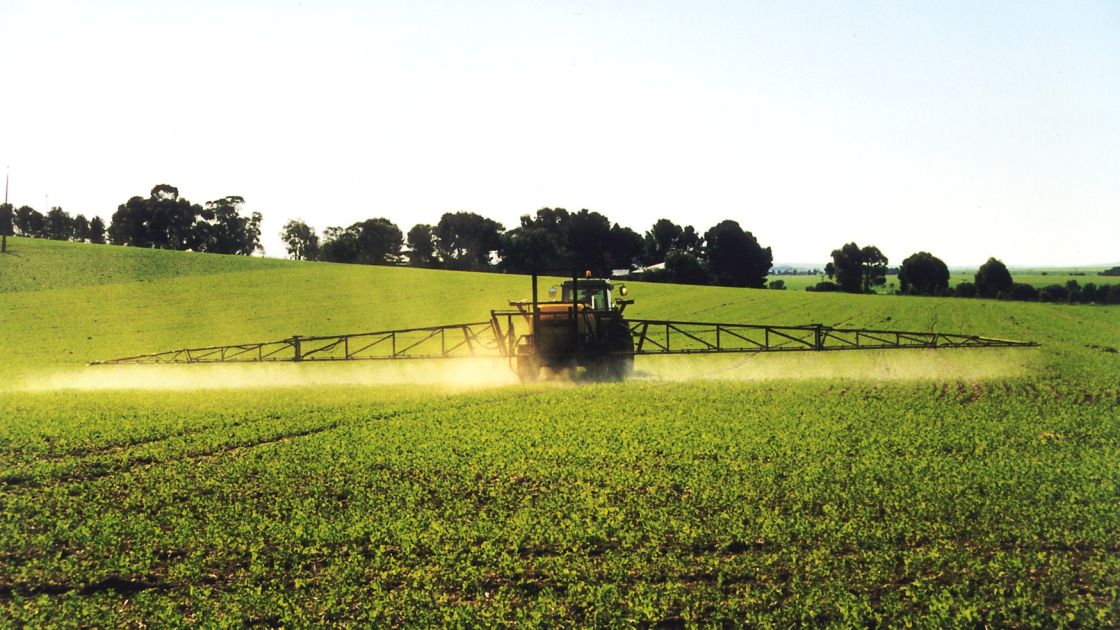
Following above average autumn and winter rainfall, broad-acre producers are reminded by the Department of Primary Industries and Regions (PIRSA) to exercise caution with their spring weed control programs.
“Our wet autumn, winter and now warming weather has seen a surge in growth as we enter this period of high activity for spraying agricultural chemicals, particularly on broadacre crops,” said Nick Secomb, Acting Executive Director – Biosecurity.
“South Australian grain producers must be vigilant when applying agrichemicals this spring.
“My message to producers is do not underestimate the distance spray drift can travel and the impact it can have on regional communities, the environment, and highly sensitive crops such as vineyards, and gardens.
“Just as you’re needing to get out there to control weeds in your broadacre cropping areas, sensitive crops like grapevines are experiencing bud-burst and are highly sensitive to spray drift damage from herbicides being used inappropriately.
“Growers have a legal and ethical obligation to follow best practices to avoid spray drift onto neighbouring properties or further afield: monitor weather conditions, adjust equipment settings and select the right chemicals.”
Agricultural chemicals should not be sprayed when weather conditions are unsuitable and especially not in hazardous inversion conditions that can occur most nights. It is crucial to strictly follow label directions and best practice to reduce the potential for chemical drift.
PIRSA urges growers to stay informed on regulatory requirements, label instructions, and the use of spray technology that reduces drift potential.
Requirements to reduce spray drift:
- Check the weather: Only spray when winds are light (3–20 km/h) and blowing away from sensitive crops.
- Avoid hazardous inversions: Avoid spraying 1–2 hours before sunrise or after sunset, when hazardous inversion conditions are more likely. Don’t spray when the air is still or there’s a hazardous inversion, as this can carry chemicals long distances.
- Use the right droplet size: Choose very coarse or ultra-coarse droplets, which are less likely to drift than fine droplets.
- Keep the boom at the right height: Position spray booms at the recommended height (about 0.5 m above the target) to improve coverage and reduce drift.
PIRSA will be actively conducting surveillance during high-risk conditions and will be in the field conducting on-farm chemical use compliance checks. Penalties for not following mandatory label instructions can be as high as $35,000.
PIRSA encourages all community members and producers to report any incidents, misuse, or observed damage to the Spray Drift Hotline on 1300 799 684 or via email at pirsa.ruralchemicals@sa.gov.au. Reports can be made anonymously and will be acted upon.
By following these practices, producers can ensure spraying activities are effective and environmentally responsible during this busy period.