
Full steam ahead - SARDI staff member wins top gong at prestigious outback science conference
Friday 20 November 2026 SARDI
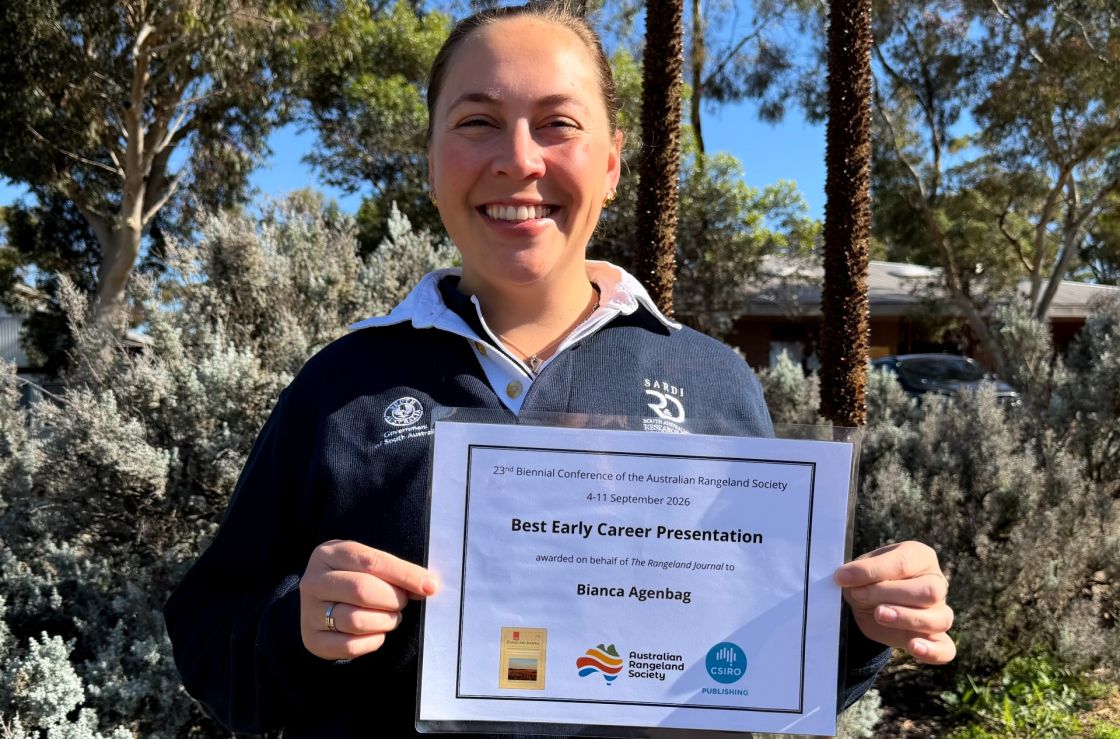
SARDI’s Bianca Agenbag won Best Early Career Presentation at the 2026 Australian Rangelands Conference.
Bianca Agenbag, who is part of the SARDI Livestock Sciences division, has had a slew of positive accolades this year, capping off her trifecta with a Best Early Career Presentation win at the 2026 Australian Rangelands Conference.
2026 has been the year for Bianca, a Senior Research Officer Animal Reproduction with SARDI’s Livestock Sciences team.
Earlier this year she was a finalist for the LambEx Coles Trailblazers Competition, which provides emerging agriculture professionals the opportunity to showcase their innovative ideas for the sheep industry. She is also among the seventeen, class of 2026 graduates of the Stepping Into Leadership Program, a sought-after 8-month initiative that supports women in agriculture to strengthen their leadership capabilities.
Her latest win, being awarded Best Early Career Presentation at the 2026 Australian Rangelands Conference in Darwin, for her presentation on Evaluating virtual fencing as a grazing management tool for sheep in the South Australian rangelands, has been another boon for her to keep pursuing her research passion.
For Bianca, who says the award was “completely unexpected”, it’s given her the fuel to keep contributing her ideas and enthusiasm to the agriculture industry especially in Australia’s rangelands.
“A lot of the work I undertake involves collaborating with producers, researchers and industry to find practical solutions to some of the challenges facing livestock production,” she says.
“This was my first time receiving this award. I am still relatively new to the rangelands space, having been involved for less than two years, so it has made the recognition even more meaningful.”
The judges commended Bianca’s engaging delivery along with her inclusion of captivating photos and maps within her presentation.
Virtual fencing offers benefits for producers and sheep alike
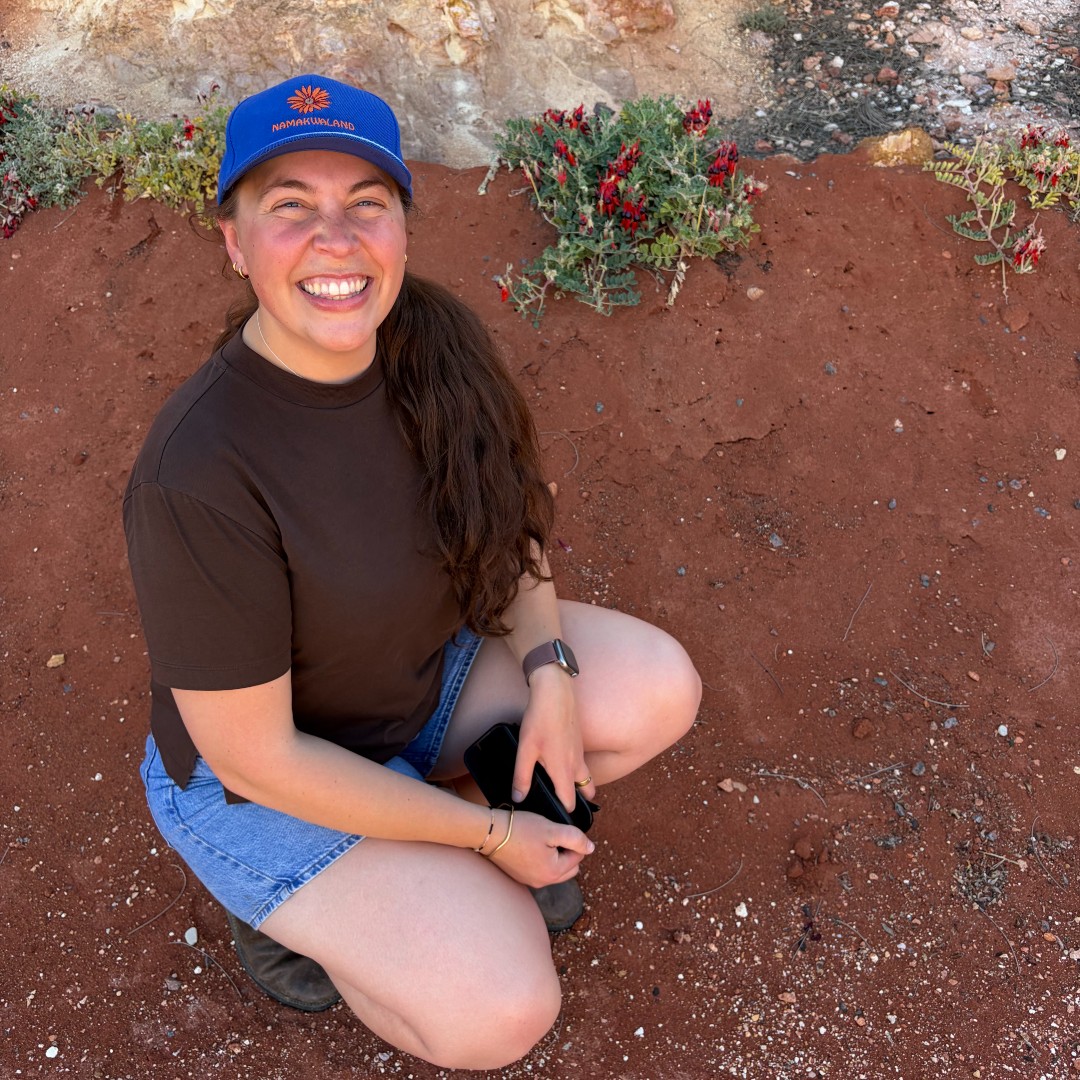
VFT, which has been Bianca’s primary focus, is a technology that allows livestock to be managed without the need for physical fencing.
It works through the use of GPS-enabled collars and virtual boundaries to manage livestock. These boundaries are established through a digital platform such as on a phone or laptop, and as an animal approaches the virtual boundary, the collar emits an audio warning. If the animal then continues towards the boundary, it receives a mild electrical pulse. Through an initial training period, animals learn how to associate the audio warning, virtual boundary and the mild electrical pulse, resulting in animals responding to the audio warning alone once a boundary is approached.
Bianca says the technology offers the possibility of managing livestock grazing more flexibly through improving livestock distribution, protecting sensitive areas and reducing the reliance on traditional fencing infrastructure.
“VFT has the potential to offer significant benefits for sheep producers, particularly in extensive grazing systems where traditional fencing and livestock management can be costly and very labour-intensive,” she says.
It also has the potential to bolster animal welfare by improving management of feed and water through adapting to changing seasonal conditions and livestock movements.
Currently, VFT still requires further research and is not yet ready for commercial use in the sheep industry.
No plans of stopping for full-time researcher, mum and PhD candidate
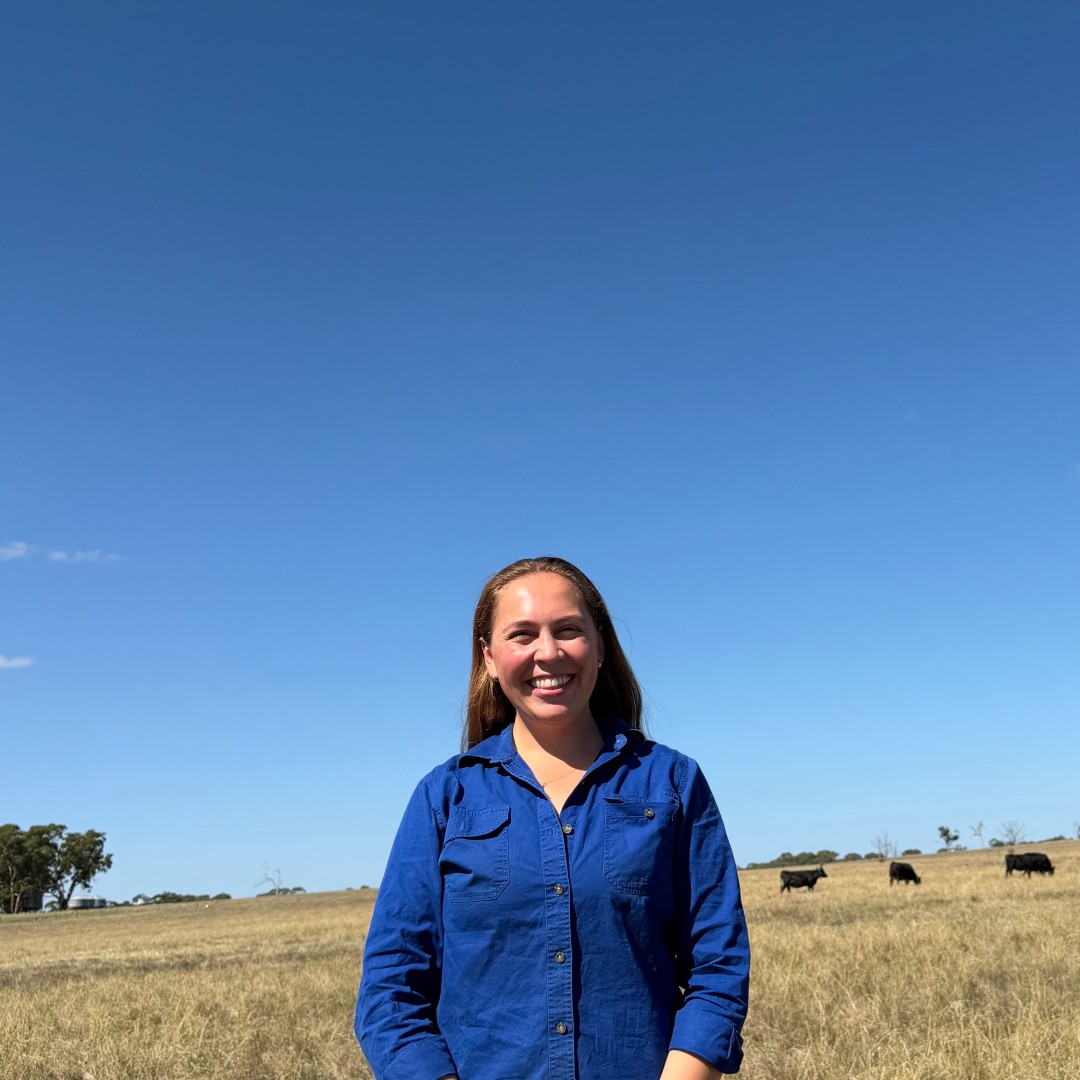
Reflecting on her stellar year, Bianca says these experiences have enhanced her professional and personal development in ways she couldn’t of ever have imagined.
“They encouraged me to get out of my comfort zone, build new networks and continue to look for opportunities to make positive contributions to the Australian ag industry,” she says.
Looking to 2027, Bianca, who is also completing a PhD on colostrum quality in Merino sheep at Adelaide University and is a proud mum, says she’s ready for what the next year has instore.
“I won’t pretend that it’s always easy because it isn’t! Balancing a full-time research career, a PhD and being a mum requires a lot of organisation, flexibility and occasionally accepting that not everything will go to plan,” she says.
“At the end of the day, I just want my son to be proud of what his mum achieves and for me that is making changes in the agricultural industry with the research that I undertake.
“I am incredibly fortunate to work in a field I love and even on challenging days, I find the work rewarding and that makes a big difference.
“Watch out 2027, I have plans!”