
Easy to access rabbit control measures in South Australia’s Southeast, easing burden for farmers
Wednesday 24 September 2025 BiosecurityEmergencies and recoveryMedia release
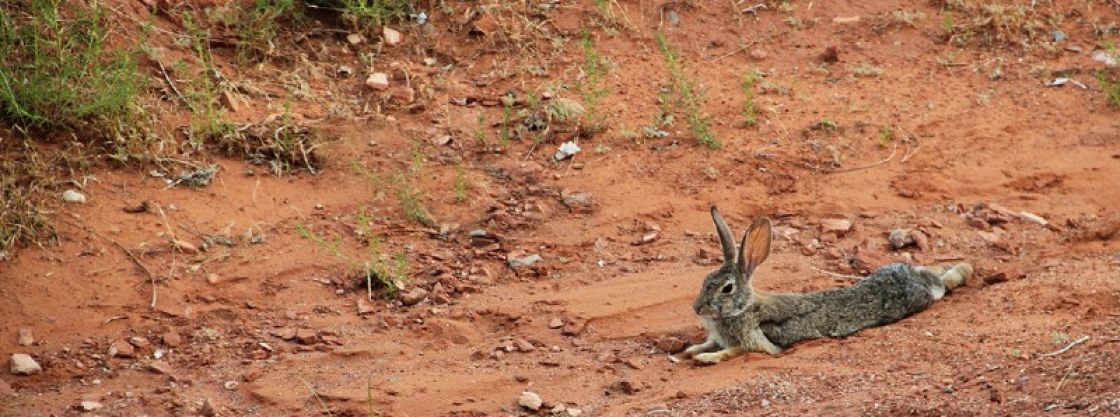
The Department of Primary Industries and Regions (PIRSA) and the Limestone Coast Landscape Board are assisting farmers with rabbit control in the state’s southeast.
Wild rabbits compete with livestock for feed and cause serious damage to soil, crops and native vegetation.
PIRSA has been delivering the Rabbit Control Program in partnership with regional landscape boards to help ease the burden on farmers dealing with the impacts of drought.
There has been particularly strong uptake in the South East with 121 landholders reaching out for assistance with rabbit control and registering for the program.
Warren ripping continues in the Upper South East and is about to start in the Riverland, Adelaide Hills and on the Eyre Peninsula.
PIRSA Principal Biosecurity Officer – Pest Animals Brad Page said the destruction of warrens is an effective way to manage this pest.
“Rabbits will always be a perennial pest in Australia, and only the destruction of their warrens offers any chance of long-term freedom from their impacts,” Mr Page said.
“Unfortunately, calicivirus is losing its ability to kill rabbits, and it is no longer a silver bullet for effective rabbit control.
“Farmers burdened by rabbits across the state have been quick to take up the offer of free control on their properties.”
Manager of Landscape Operations with the Limestone Coast Landscape Board, Mike Stevens, said it has been great to see farmers co-operating in their local area and working with their neighbours.
“Using a systematic approach allows for effective knockdown of numbers,” he said.
“We have organised groups of landholders into sectors for contractors to then complete the work.
“We have made a start in the north – with ripping conducted on 40 properties in the Field, Tintinara, Keilira and Naracoorte districts.
“The farmers really need the paddock feed, and getting control of the rabbits helps with that.
“The drought has made it tough for farmers so our whole team is focusing on the practical things we can do to help.”
Farmer Jason Schulz registered for the program and has seen positive outcomes on his property at Field.
“It’s been a great initiative; we’ve had ongoing problems with rabbits in this region probably due to our sandy soil types and our Mallee scrubland being a perfect habitat for them,” he said.
“Rabbits are a cost to our business as they eat the pastures our sheep and cattle would ideally like to eat, and in a drought where they’re limited, that’s a huge concern.
“We’ve been fortunate through the program, we’ve had over 60 rabbit warrens ripped on farm, and my neighbours partook in that as well, they did 70 warrens in two days.
“That’s made a huge dent in the rabbit population in one location, let alone other locations
that this program has been targeted to.”
Farmers and landholders simply need to register their interest to be involved in the program, by attending community outreach events or directly contacting their local landscape board.
To apply for the Rabbit Control Program, you must be a primary producer, provide a valid ABN and demonstrate impacts from significant rabbit populations.
For more information about participating in the program, please contact your local Landscape Officer.