Plague locust outlook: what to expect this spring
Thursday 23 July 2026 SARDIPestFacts

Widespread rainfall across South Australia in late summer provided ideal breeding conditions for Australian plague locusts. With Australian plague locust activity increasing across SA, the focus is now shifting to spring hatchings.
The Australian Plague Locust Commission (APLC) has identified a moderate to high risk of regional infestations developing this spring, particularly in the North East pastoral region, Flinders, Riverland and Murraylands.
However, there is no immediate threat to crops as Australian plague locusts are currently overwintering in the egg stage.
The focus at this time is on monitoring and preparing for spring, rather than taking action.
Current forecasts suggest that medium to high-density hatching may begin from mid-September, with nymph bands potentially developing in some inland breeding areas.
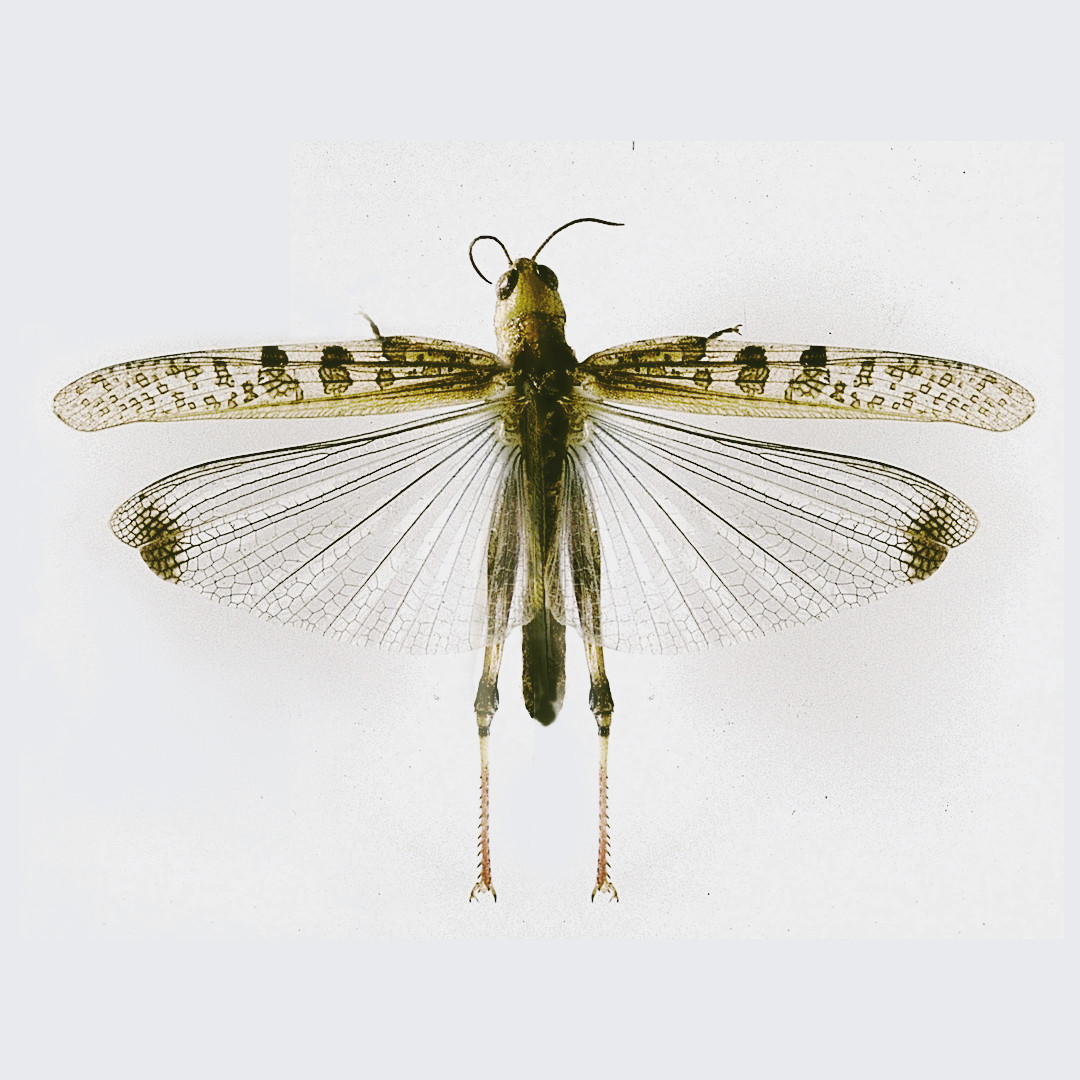
If conditions remain favourable, these populations may later develop into winged adults capable of moving into neighbouring agricultural regions.
Growers in higher-risk areas are encouraged to stay informed as spring approaches – refer to the Australian Plague Locust Commission's locust bulletins.
Early monitoring is key
Now is a good time to start keeping an eye on paddocks, roadsides and nearby pasture areas for signs of locust activity.
The best opportunity for control is while locusts are still in the hopper (nymph) stage, before they develop wings and become capable of moving much greater distances.
If you notice locust activity:
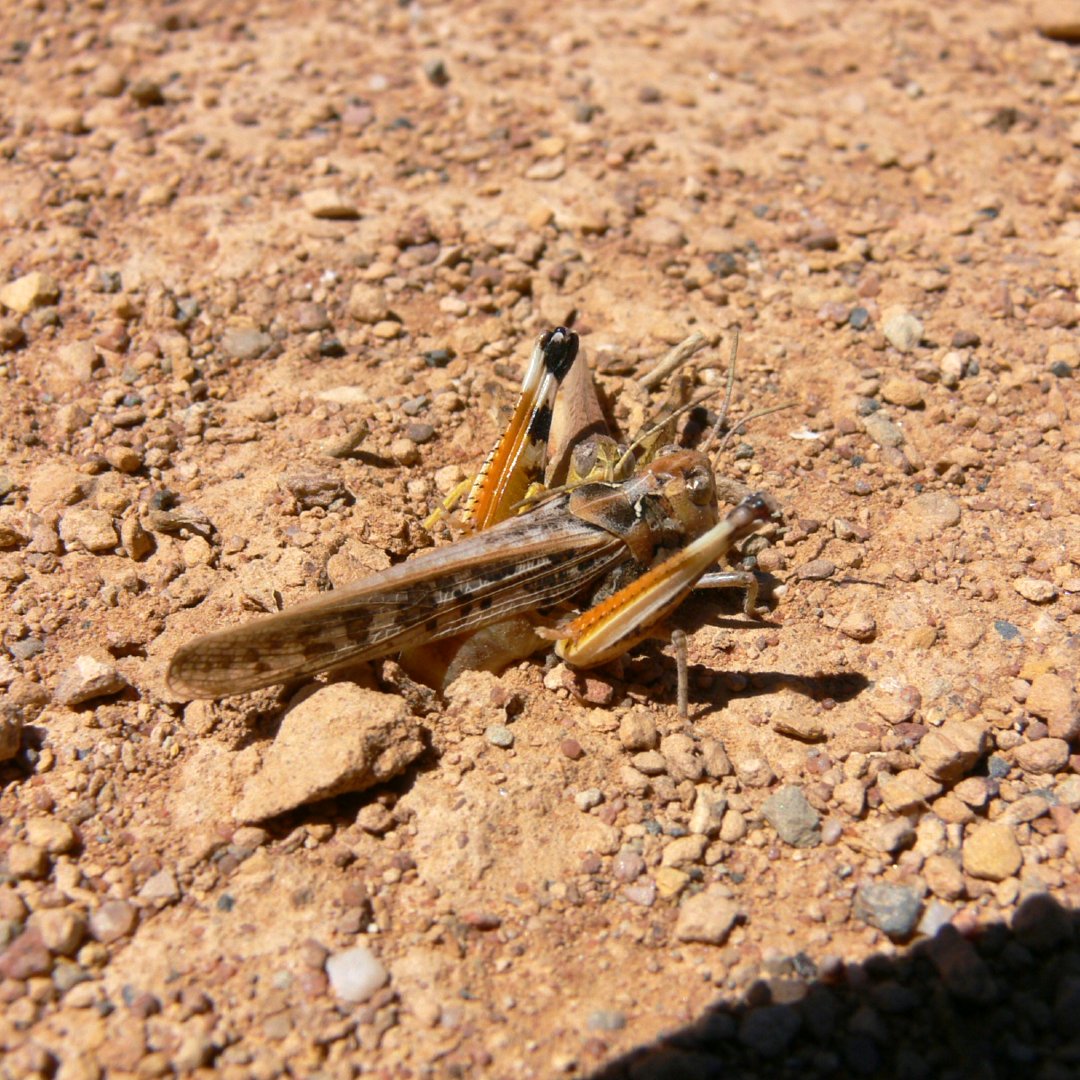
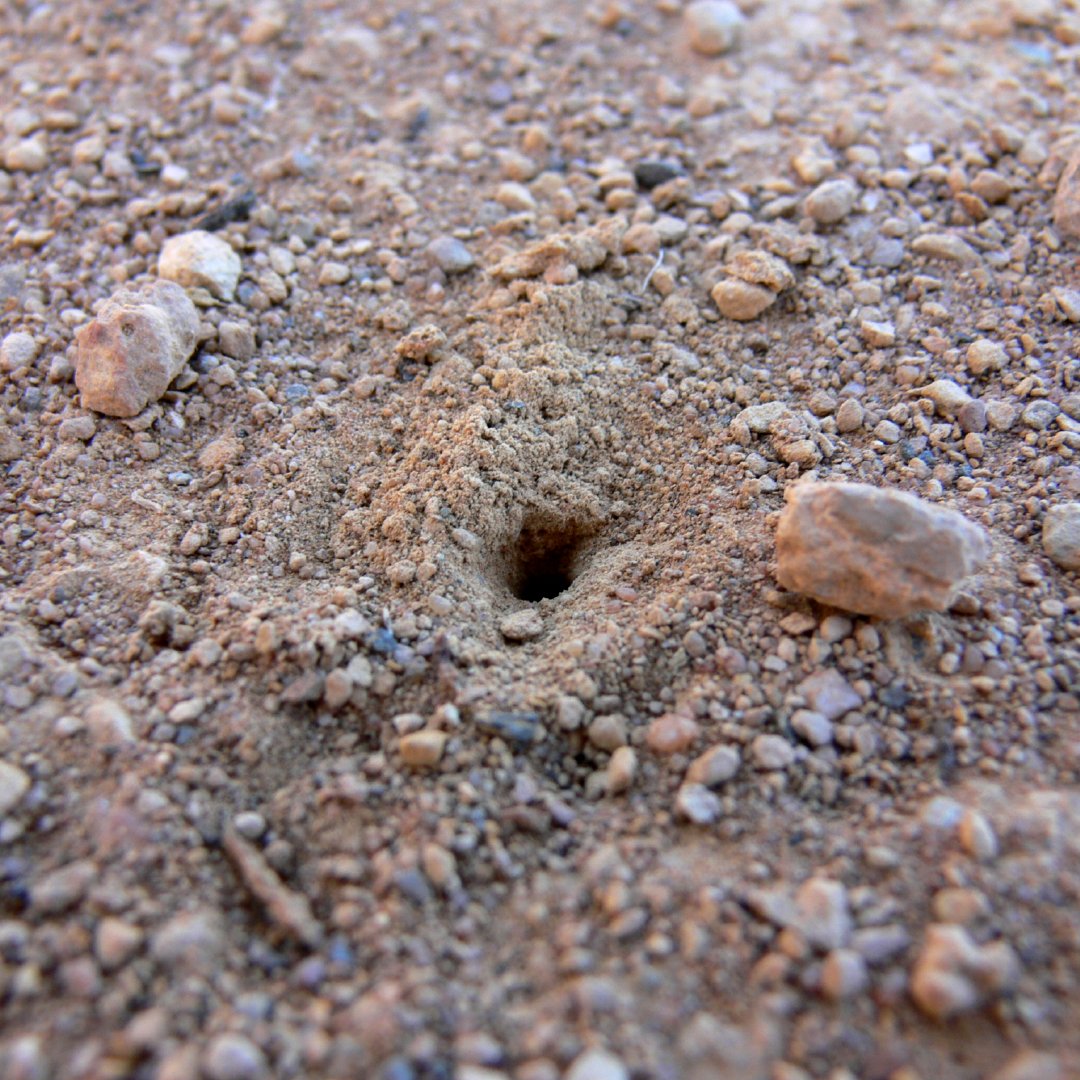
- Check paddocks regularly for egg beds, hoppers and developing nymph bands.
- Where control is required, act early while hoppers are concentrated and easier to manage.
- Speak with your agronomist about suitable insecticides, application timing, withholding periods and market requirements, and always follow label directions.
- Report any Australian plague locust activity to the Exotic Plant Pest Hotline 1800 084 881 or via PIRSA’s plant-pest reporting form.
PIRSA is continuing to work closely with the APLC to monitor locust populations and refine hatching forecasts as the season progresses. Ongoing surveillance will help identify areas at greatest risk and ensure growers receive timely updates as the spring situation develops.