
Support for winegrape producers to cut costs and plan for the future
Monday 24 August 2026 Primary industriesMedia release
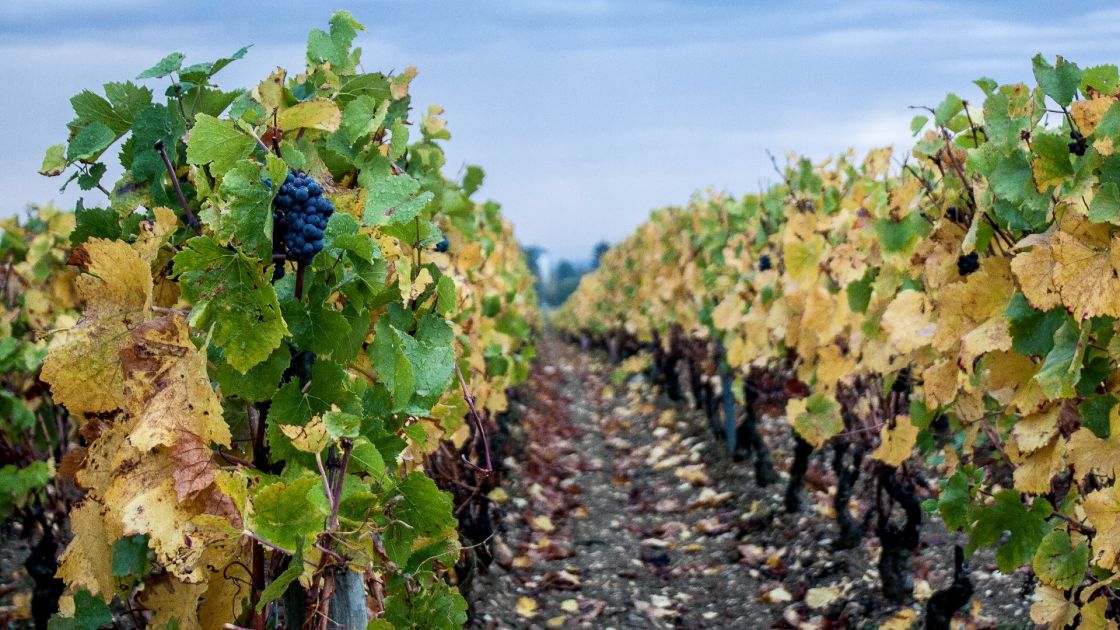
South Australian grape growers will be able to access a new round of financial support to help reduce costs, giving them valuable time and space to plan out their future business decisions.
Funded by the Albanese and Malinauskas Labor Governments through the South Australian Wine Recovery Program, the Department of Primary Industries and Regions (PIRSA) will launch the fourth round of the Vineyard Resting Rebate next month.
Eligible producers will be able to apply for a $40 per hectare rebate to help cover the cost of purchasing ethephon, a plant growth regulator that can be used to reduce grape production when applied at the right stage of vine development.
The rebate will be available for up to 1,000 hectares per registered business (ABN) and will apply to ethephon purchased between 1 July 2026 and 31 January 2027.
Designed to support growers who may not yet have a contract or have not been able to secure commercially viable prices for their 2027 grape crop, the Vineyard Resting Rebate supports producers to lower production expenses, reduce water use, and avoid the costs associated with managing fruit that may not be harvested.
Participating growers can save up to an estimated $2,000 per hectare through reduced spending on irrigation, fertilisers, sprays and other vineyard management activities.
Resting vineyards also minimises fruit waste and reduces pest and disease pressures, while giving growers valuable time to assess their business options and future plans.
Research conducted by the South Australian Research and Development Institute (SARDI) in partnership with Wine Australia has found that ethephon is an effective tool for reducing grape yields to the point where harvesting is not required.
Importantly, studies show that when applied at the end of flowering, vines remain healthy and retain the energy needed for the following season.
Research has also demonstrated that vineyards treated with ethephon can return to normal commercial production the following year, with no detectable residues found in harvested fruit.
Across the state and the nation, the wine industry is facing significant pressure from global oversupply, declining grape prices, changing demand and ongoing impacts from previous international trade disruptions.
Over the past two years the Albanese and Malinauskas Government have jointly invested more than $16 million to support the world renowned South Australian wine sector as it continues to diversify and transition towards a more sustainable future.
This includes the $3.1 million South Australian Wine Recovery Program, which was established to boost domestic demand, build regional capability, and support vineyard waste management.
The Vineyard Resting Rebate aims to provide practical, short-term support while helping growers make confident, informed decisions about the future of their businesses.
For more information about the rebate and eligibility requirements, see Vineyard Resting Rebate.