
Establishing ROVs Data Workflows, August 2024
Date
5 August 2024 - 18 August 2024
Background
The primary goal of this voyage was to refine the use of Remotely Operated Vehicles (ROVs) for collecting high-resolution imagery of the seafloor and associated fish communities. This data is essential for the effective management of Australian Marine Parks (AMPs), particularly in temperate mesophotic ecosystems, which are found at depths of 30-200 meters. These ecosystems are often less studied due to their depth, yet they play a crucial role in marine biodiversity and ecological health. The project aimed to enhance our understanding of these ecosystems and improve the tools available for their conservation.
Voyage
The research team, led by Jacquomo Monk from the Institute for Marine and Antarctic Studies (IMAS) at the University of Tasmania (Utas), embarked on this voyage aboard the MRV Ngerin, which is part of the Southern Coastal Research Vessel Fleet. The team included scientists from IMAS, UTAS, and Parks Australia, highlighting a collaborative effort. During the voyage, the team conducted daily ROV deployments, successfully completing approximately 60 transects within the Beagle Marine Park. These transects ranged from 200 meters to 1.5 kilometres in length and were spatially balanced to ensure comprehensive coverage of the study area. The team also trialled the technological and practical constraints of live streaming ROV dives, adding a new dimension to their research and public engagement efforts.

Location of ROV transects completed during voyage.
Outcomes
The voyage yielded significant scientific and outreach outcomes. Scientifically, it advanced our understanding of the efficacy of ROVs in collecting critical data from temperate mesophotic ecosystems. Key discoveries included large aggregations, know as shivers, of Port Jackson sharks, diverse sponge-dominated assemblages, numerous giant cuttlefish, and a significant population of black spined urchins.
These findings are particularly noteworthy as they provide new insights into the biodiversity and ecological dynamics of the Beagle Marine Park. The data collected through this project directly benefit the management of Australian Marine Parks (AMPs), ensuring that the ecological integrity and biodiversity of these vital marine ecosystems are robustly protected. Furthermore, this information informs policy and regulatory frameworks addressing existing and emerging pressures, including the expanding offshore renewable energy sector adjacent to the Beagle AMP. These insights will strengthen Parks Australia's ability to manage these pressures, safeguarding the long-term health of our oceans while supporting sustainable development.
The team also found that live streaming ROV dives attracted nearly 2,000 viewers, indicating strong public interest in marine science. Additionally, the voyage achieved significant outreach, with extensive media coverage and public engagement, including features on various media platforms and a live cross to the Beaker Street Science festival in Hobart.
Acknowledgements
This work was undertaken for the Marine and Coastal Hub, a collaborative partnership supported through funding from the Australian Government’s National Environmental Science Program (NESP).
This research was supported by a grant of sea time from the Southern Coastal Research Vessel Fleet, with funding from the National Collaborative Research Infrastructure Strategy (NCRIS).
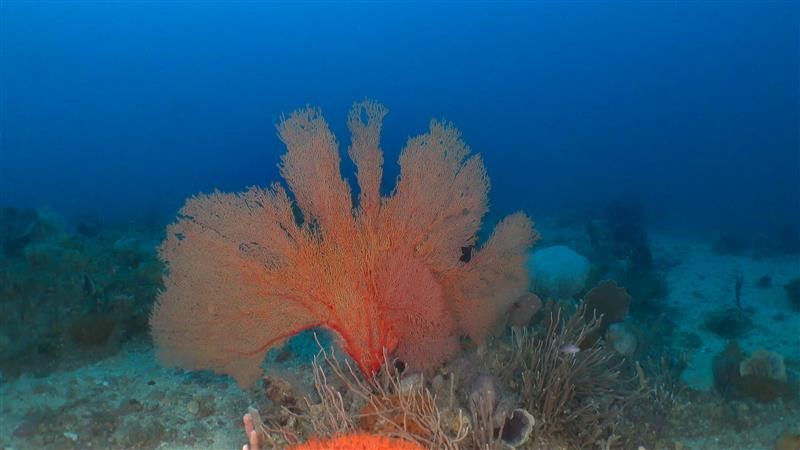
Large gorgonian fan growing from reef within the Beagle Marine Park - photo: Jac Monk
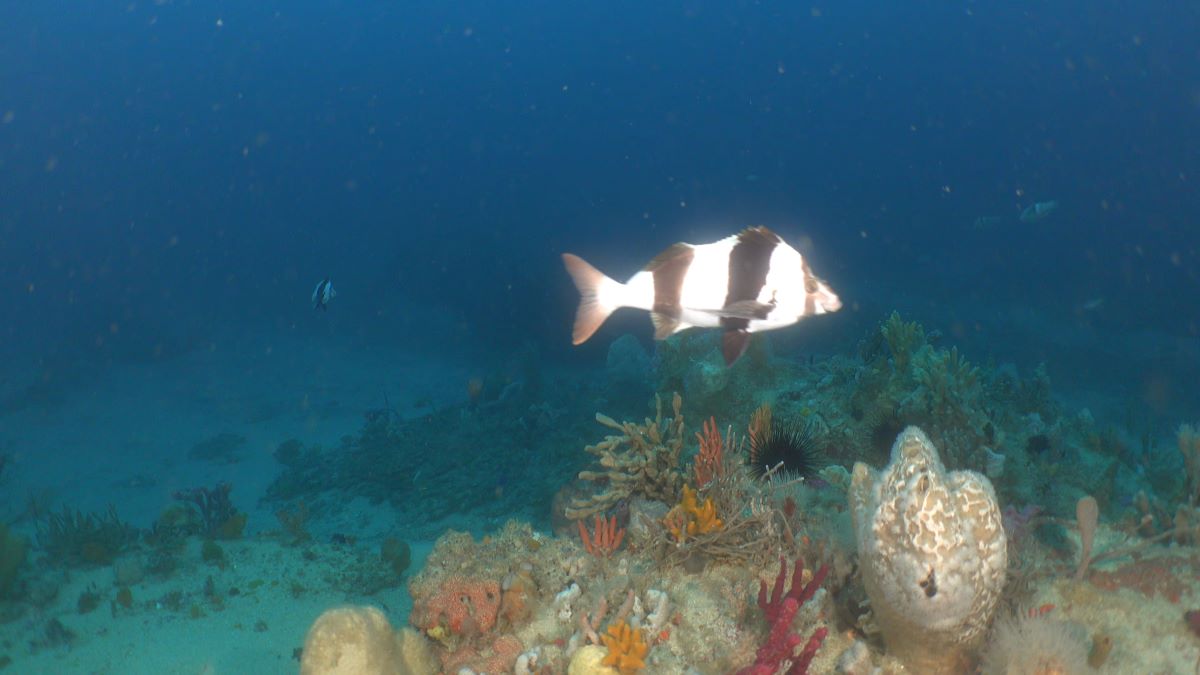
Magpie morwong swims over a long-spin sea urchin - photo: Jac Monk
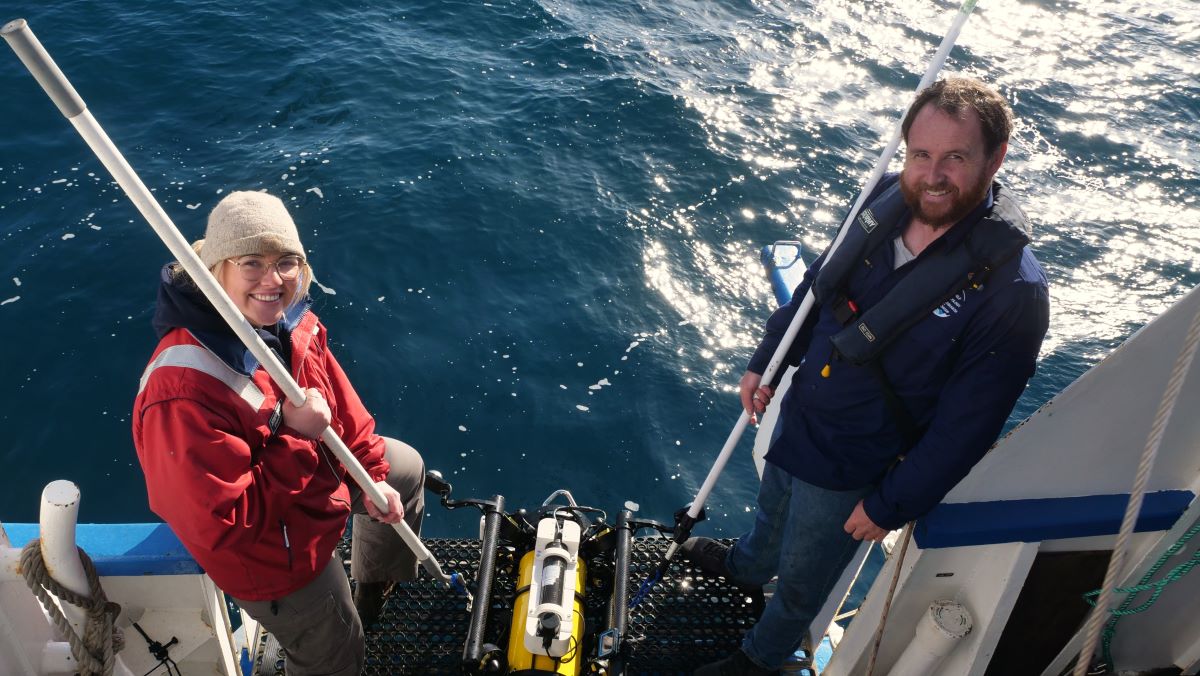
Laura Holmes (SARDI) and voyage leader Jacquomo Monk deploy BoxFish ROV - photo: Jac Monk
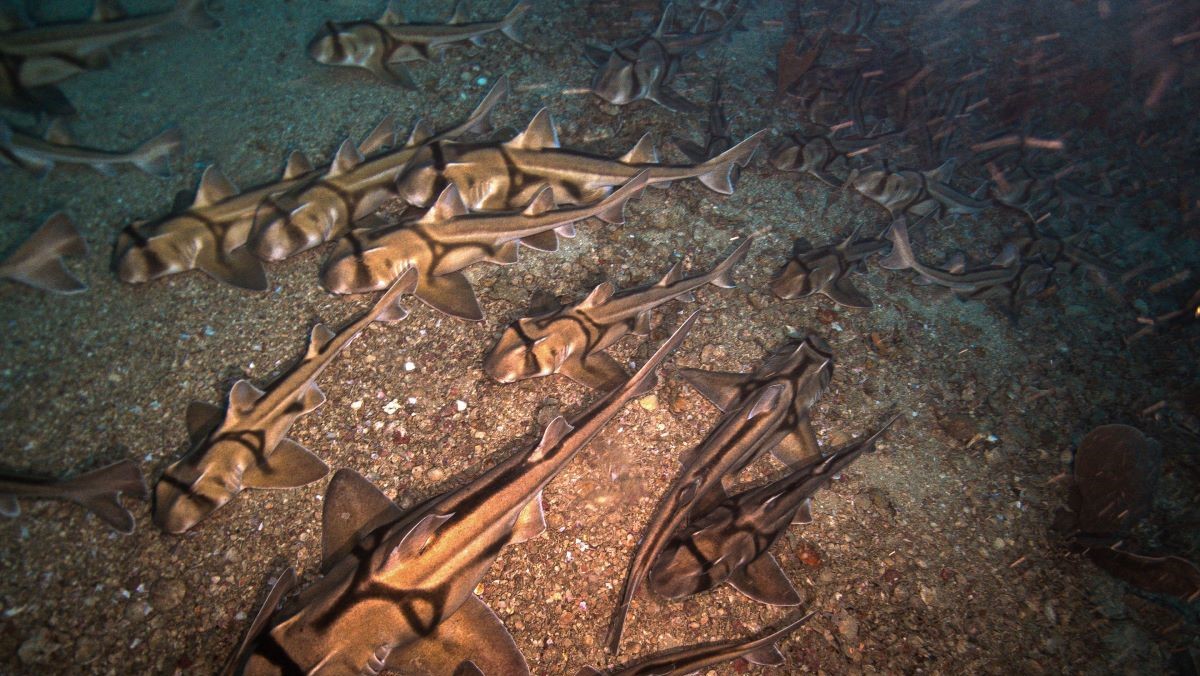
Aggregation of Port Jackson Sharks - photo: Jac Monk

Example of diverse sessile organisms growing from reef features in the Beagle Marine Park - photo: Jac Monk
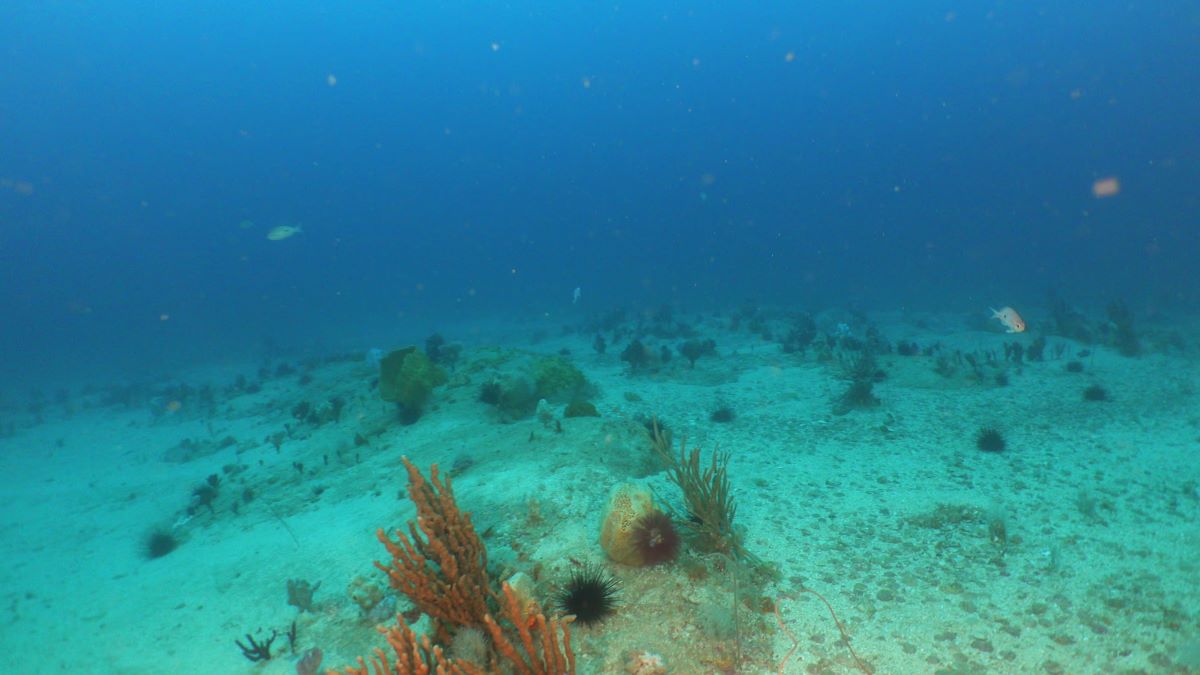
Centrostephanus urchins (long spin sea urchin) were observed, with both adults and juveniles present, indicating active recruitment within the system - photo: Jac Monk
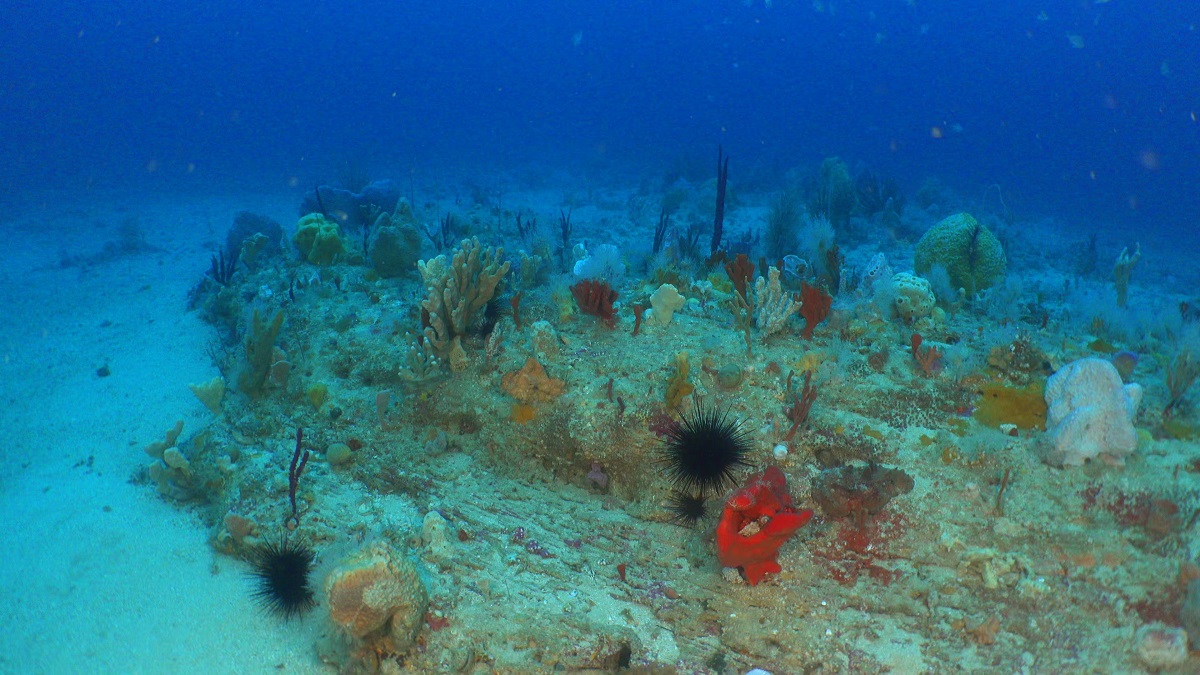
Edge of a potential urchin barren. Note the grazed rock which lacks the usually dense covering of small fuzzy invertebrate turf - photo: Jac Monk
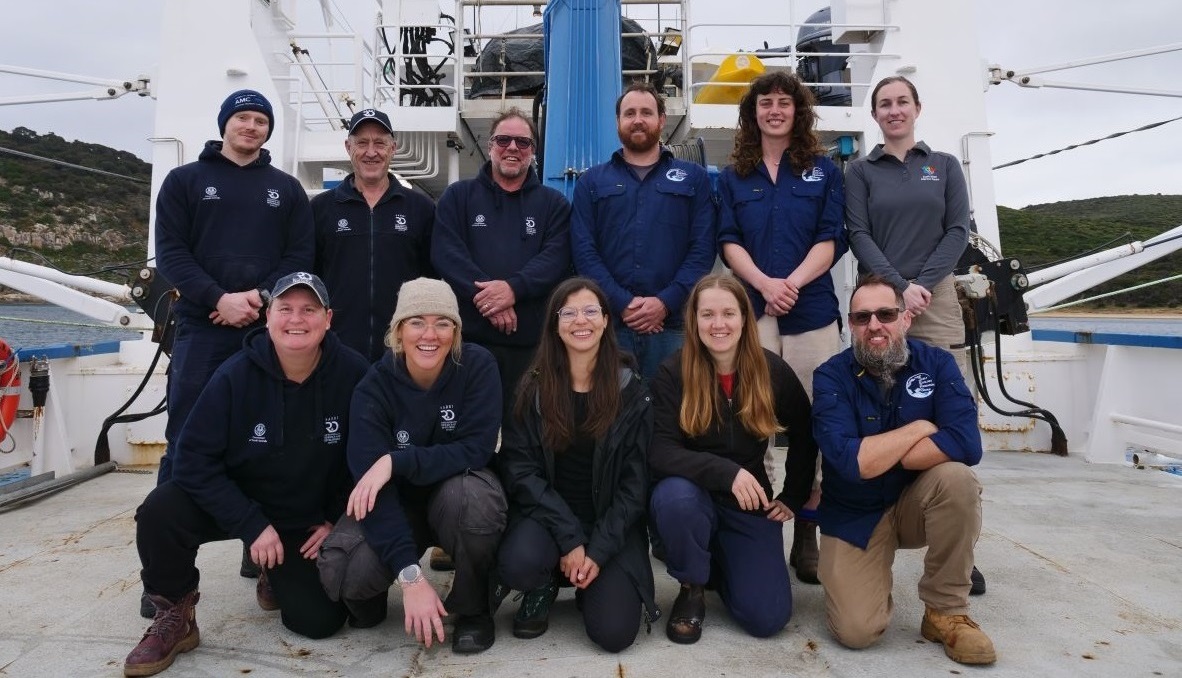
Voyage crew on board back deck of MRV Ngerin - photo: Jac Monk
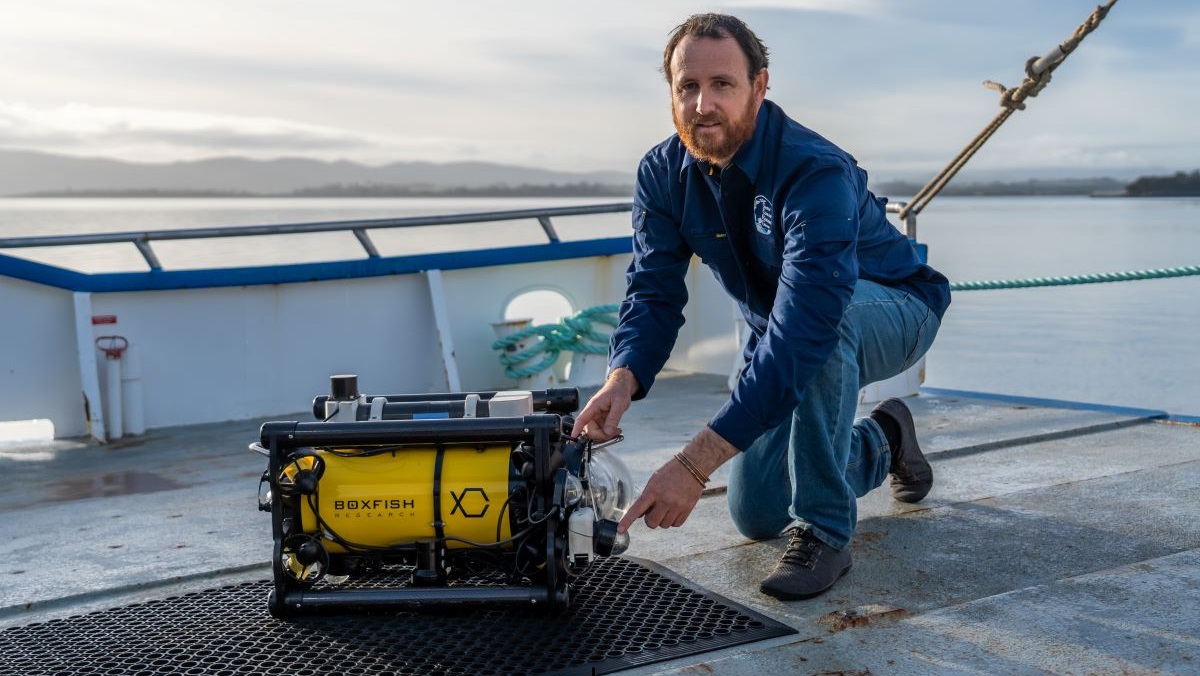
Dr Jacquomo Monk with Boxfish ROV used during the voyage - photo: Jac Monk
Videos and social media
Get insight from the crew on NESP's YouTube and social media feeds: