
Case studies
Electronic identification (eID) technology is well developed and was first implemented for cattle in South Australia in 2004. Many sheep and goat producers are already using eID to assist with farm management and production decisions.
These case studies highlight how South Australian producers are benefiting from eID technology and using eID data to drive smarter decisions and greater efficiencies on farm.
eID case studies are an initiative of the eID Advantage Program with support from Meat and Livestock Australia and AWI Extension SA.
Using eID with in-paddock weighing for easy-care Merinos
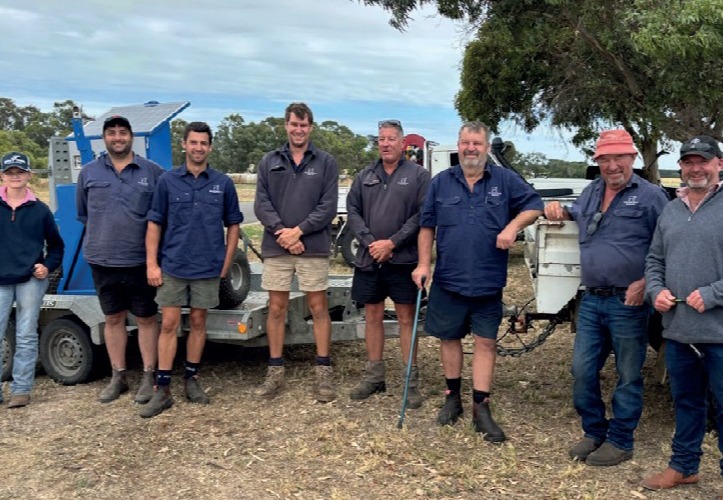
| Location | Kingston SE, South Australia and Simpson, Victoria |
|---|---|
| Enterprise | 100% self-replacing, dual purpose Merinos comprising 9,000 adult breeding ewes and 2,500 breeding ewe lambs, and 700 cattle. 500 ha of cropping and hay production - lupins, barley and wheat for own use, as well as ryegrass/clover hay. 470 ha of centre pivot irrigation for lucerne and phalaris pastures maintained for lamb production. |
| Use of eID data | Pregnancy scanning of ewes for multiples, live weights to monitor performance in feedlot. |
Read case study: Using eID with in-paddock weighing for easy-care Merinos. ( )
Using eID in self replacing Merinos
| Location | Koonunga, Barossa Valley, South Australia |
|---|---|
| Enterprise | Self-replacing Merino flock running 350 ewes and 180 ewe hoggets. Approximately 75 ha of pastures, including cereal crops for grazing. |
| Use of eID data | Pregnancy scanning of ewes for multiples, live weights to monitor performance in feedlot. |
Read case study: Early experiences using eID in self replacing Merinos ( )
Using eID for improving Merino performance on Eyre Peninsula
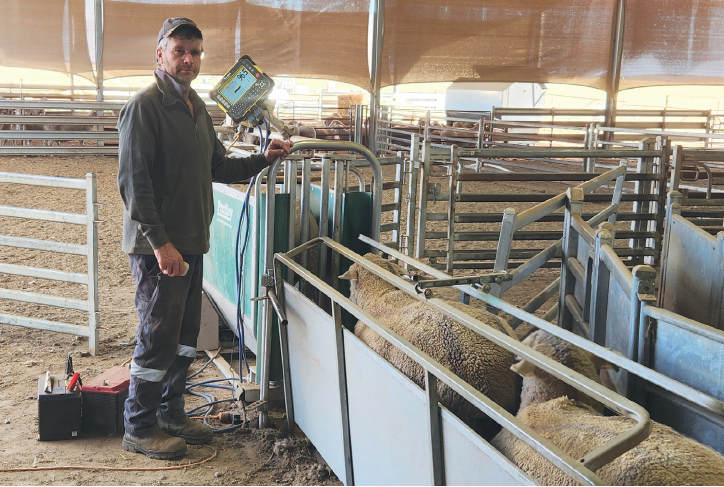
| Location | Upper Eyre Peninsula, South Australia |
|---|---|
| Enterprise | Commercial meat and wool enterprise running approximately 1,100 ewes and Poll Merino and Dohne Merino studs. Cropping program comprises 1,000 ha wheat, 500 ha barley, lentils, oats and the balance of cereal rye sown for grazing and medic pasture. |
| Use of eID data | Using eID for improving Merino performance on Eyre Peninsula |
Read case study: Using eID for improving Merino performance on Eyre Peninsula ( )
Using eID in Pastoral Zone Merinos
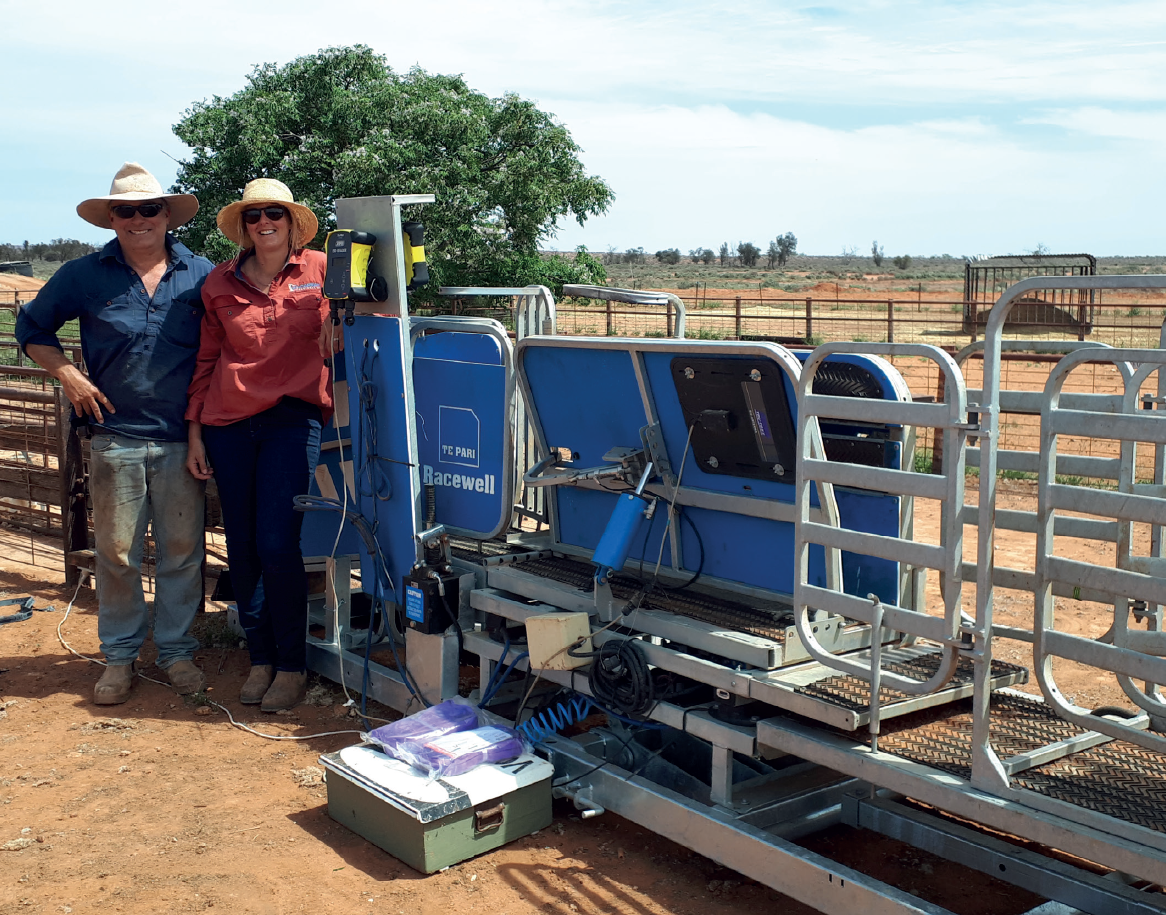
| Location | Olary, North East Pastoral, South Australia |
|---|---|
| Enterprise | Commercial meat and wool enterprise running 3,700 merino ewes. Store cattle are brought in on an opportunistic basis. |
| Use of eID data | Paddock of origin for mobs, wet/dry status at marking, weights of animals being sold and condition score of rams |
Read the case study: Using eID in Pastoral Zone Merinos ( )
Using eID to collect performance data from farmed goats
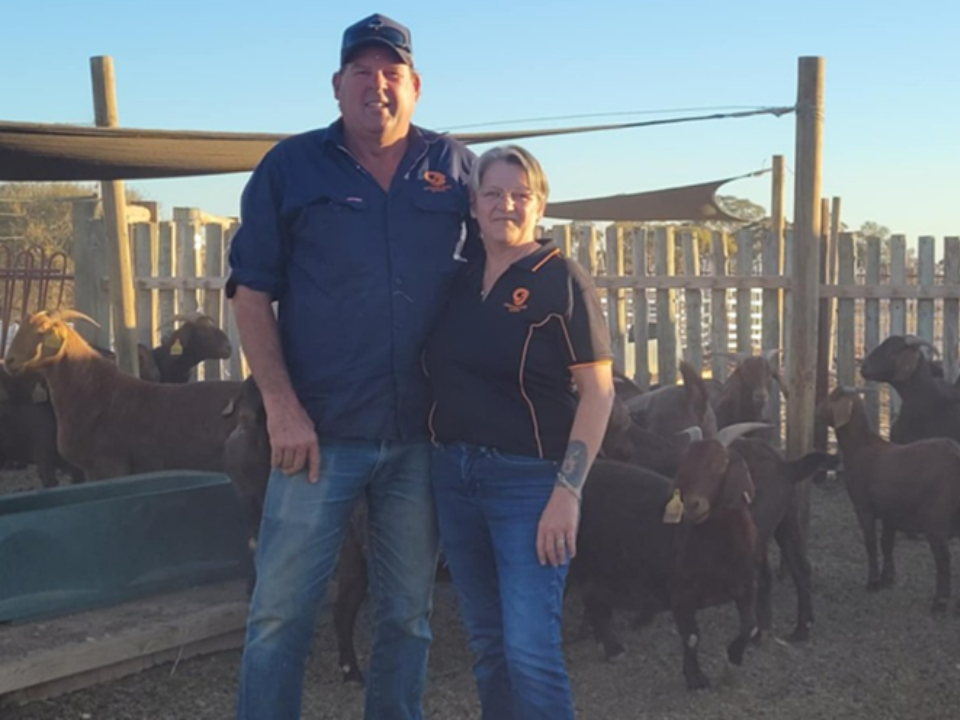
| Location | Cadell, Riverland, South Australia |
|---|---|
| Enterprise | 100 Fullblood and Commercial bred Kalahari Red does mated to Fullblood bred Kalahari Red bucks producing stud and commercial breeders. |
| Use of eID data | eID for decision making and tracking weight data on farmed goats. |
Read case study: Using eID to collect performance data from farmed goats ( )
Using eID for prime lamb production in the high rainfall zone
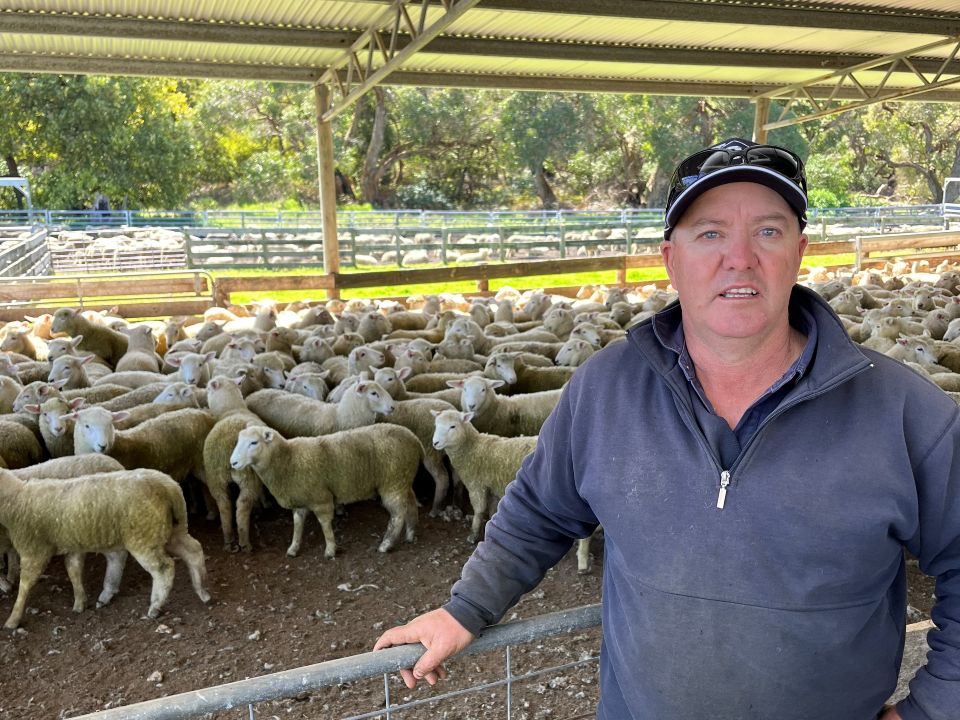
| Location | Furner, Lower South East, South Australia |
|---|---|
| Enterprise | Predominantly a prime lamb enterprise running approximately 9,000 maternal composite ewes and 2,000 ewe lambs, and crops 700 hectares with broad beans, wheat, barley and canola. |
| Use of eID data | Pregnancy scanning of all ewes for multiples, birth status of ewe lambs, average daily weight gain, lambing success by paddock. |
Read case study: Using eID for prime lamb production in the high rainfall zone ( )
Managing Merinos with eID in the Southern Flinders
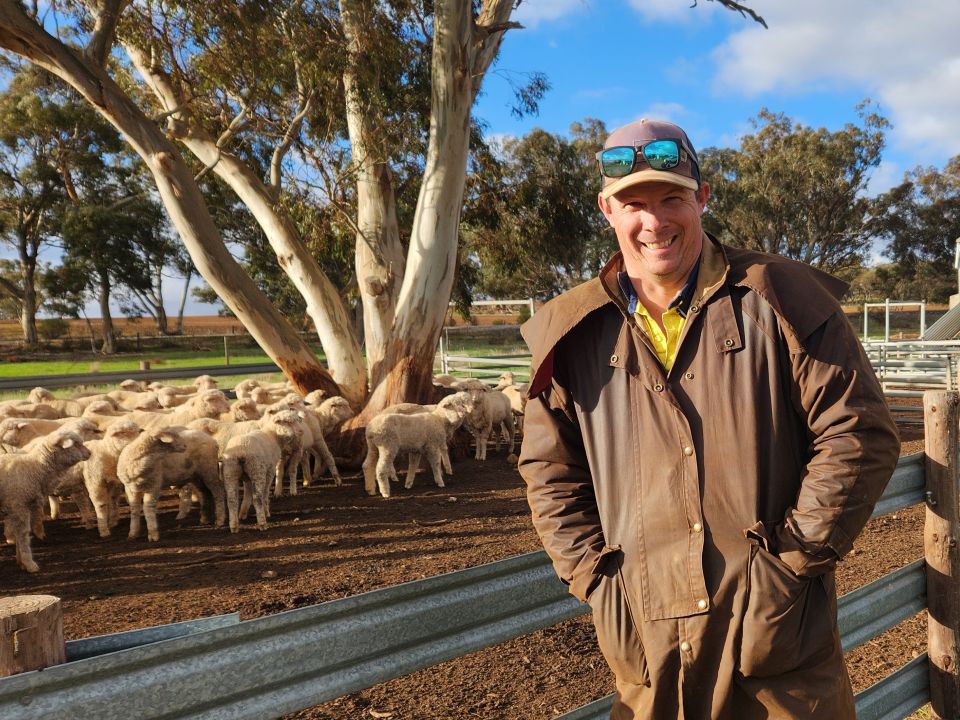
| Location | Multiple sites between Wirrabara and Hammond, South Australia |
|---|---|
| Enterprise | Self-replacing merino flock based on 500 to 650 ewes, and a cropping program of 1,100 hectares with cereals, legumes and canola. |
| Use of eID data | Pregnancy scanning of all ewes for multiples and average daily weight gain for ewe lambs. |
Read case study: Managing Merinos with eID in the Southern Flinders ( )
eID to achieve fleece improvement in self replacing Merinos
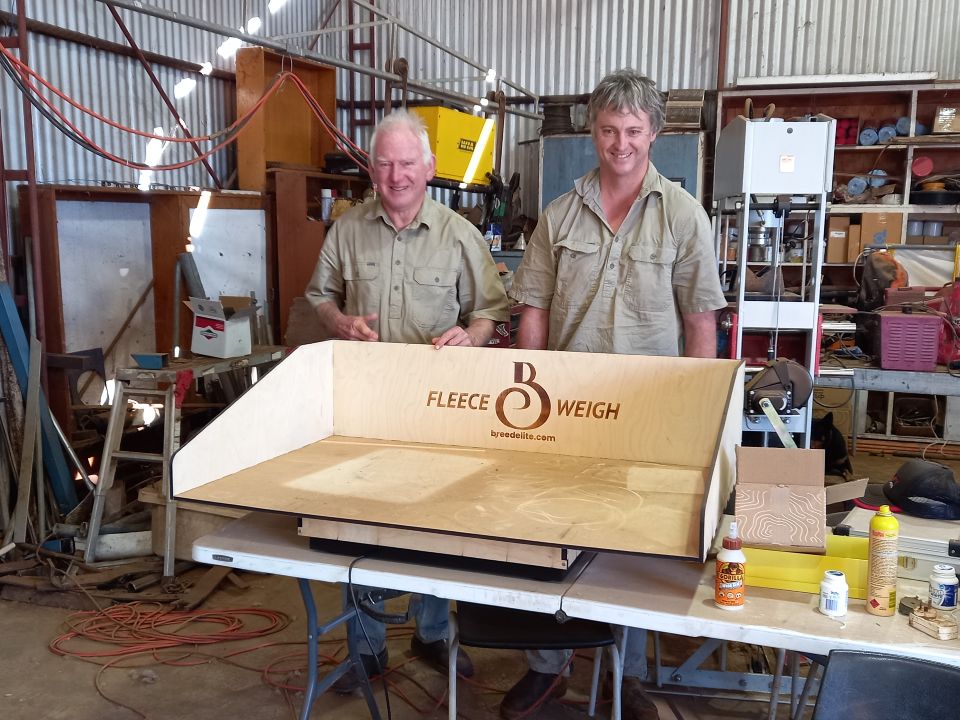
| Location | Galga, Murray Mallee, South Australia |
|---|---|
| Enterprise | A self-replacing merino flock based on 1,000 ewes, and a cropping program comprising 2,500 ha of cereals and legumes and 500-600 ha of sown. |
| Use of eID data | Pregnancy scanning of all ewes for multiples as well as fleece weights and characteristics. |
Read case study: eID to achieve fleece improvement in self replacing Merinos ( )
Using eID to efficiently collect data
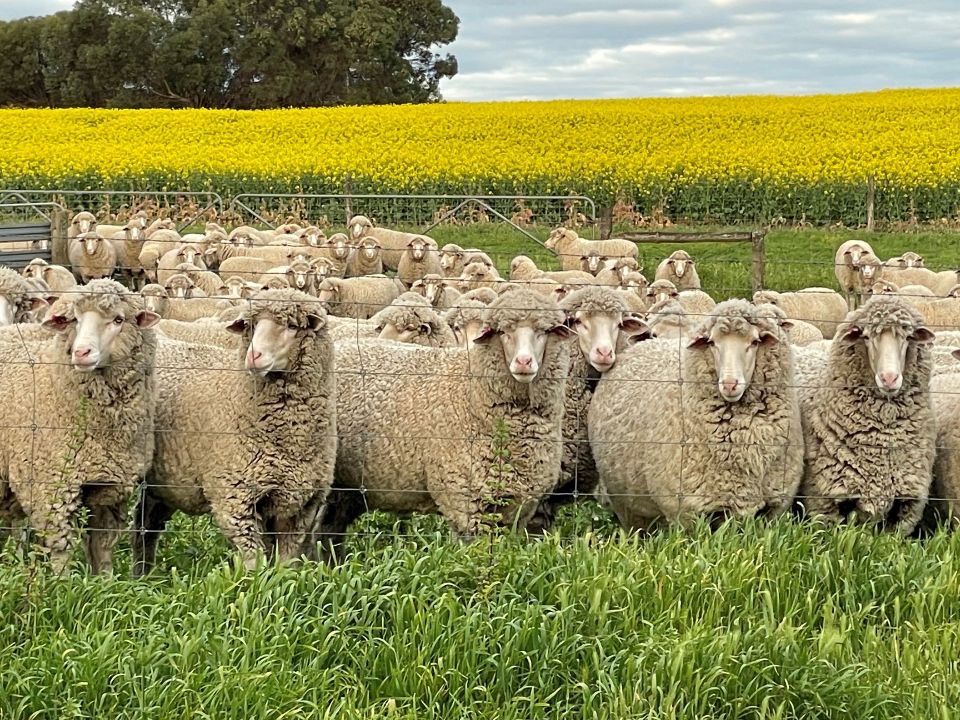
| Location | Coonalpyn, Upper South East, South Australia |
|---|---|
| Enterprise | 2,000 Dohne ewes and a cropping program comprising 3,000 hectares of cereals, canola, beans and chickpeas and over 900 hectares of lucerne for seed production and grazing. |
| Use of eID data | Pregnancy scanning of all ewes for multiples, weight gain, fleece weights and characteristics. |
Read case study: Using eID to efficiently collect data ( )
Managing Merino and prime lamb using eID
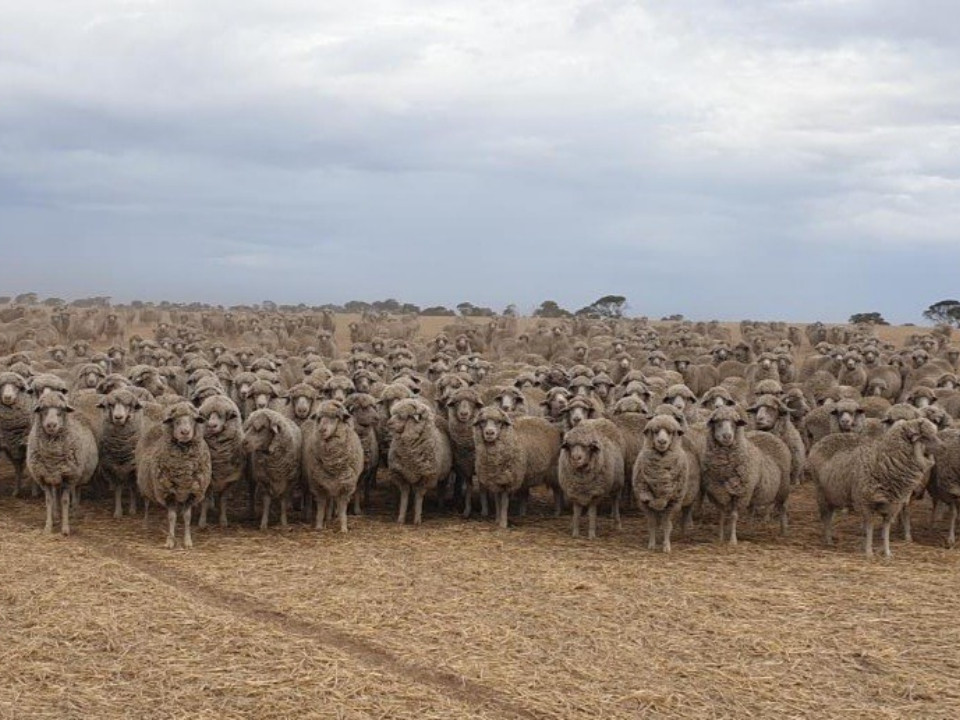
| Location | Coomandook, Upper South East, South Australia |
|---|---|
| Enterprise | 5,000 merino ewes split into Merino and cross breed flocks. 2,500 to 3000 hectares of cropping and 1,100 hectares of sown feed and pasture. |
| Use of eID data | Pregnancy scanning of ewes, live weight gain, fleece weights and characteristics. |
Read case study: Managing Merino and prime lamb using eID ( )
Other case studies
Improving performance with sheep EIDs (YouTube)
Find other eID case studies in the Livestock Tech Talks podcast and video series.