
PestFacts 15 May 2025
Uncovering the pests beneath the stubble
With sowing in progress across the state, it's now time to consider pest management for stubble pests:
- slugs
- earwigs
- weevils
- slaters
- millipedes.
These pests are all favoured by similar conditions, such as high stubble loads, and may occur together. Many of these species feed mostly on decaying plant matter, and large numbers don't always mean they will feed on crops.
Removing refuges pre-sowing, understanding the paddock history and monitoring are the best ways to understand and tackle these pests.
Night observations allow to get a much better understanding of who might be nibbling your seedlings. Bring a little torch and you will be surprised.
Earwigs
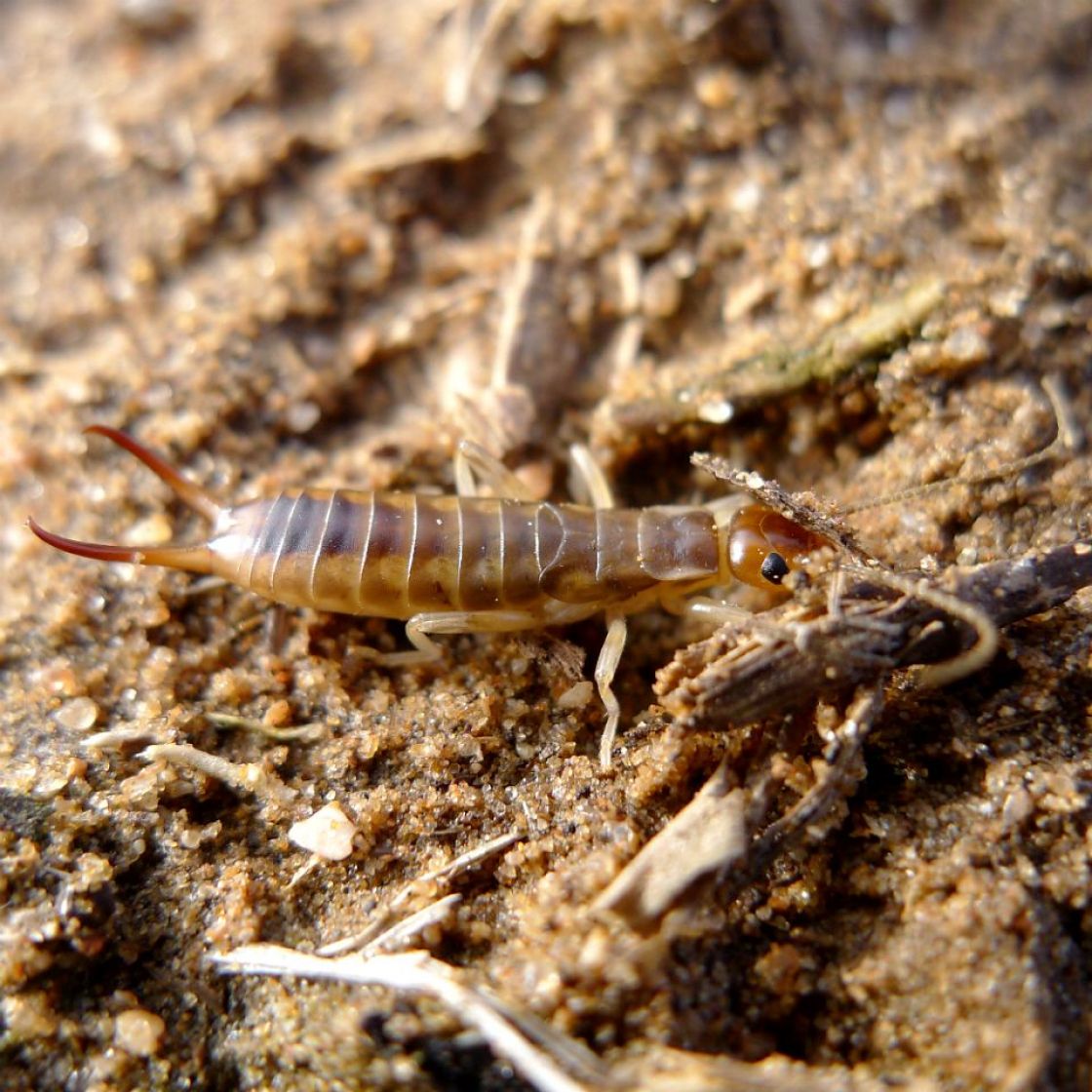
European earwig (Forficulina auricularia) is widely distributed in high and medium rainfall areas of South Australia (more than 400 mm) and is frequently observed grouping in large numbers.
European earwigs are 12 to 24 mm long, have a dark and relatively uniform body colour with yellowish shoulders, legs and pincers.
The European earwig can be confused with native earwigs including brown earwig (Labidura truncata). For more information, see GRDC's European earwigs fact sheet.
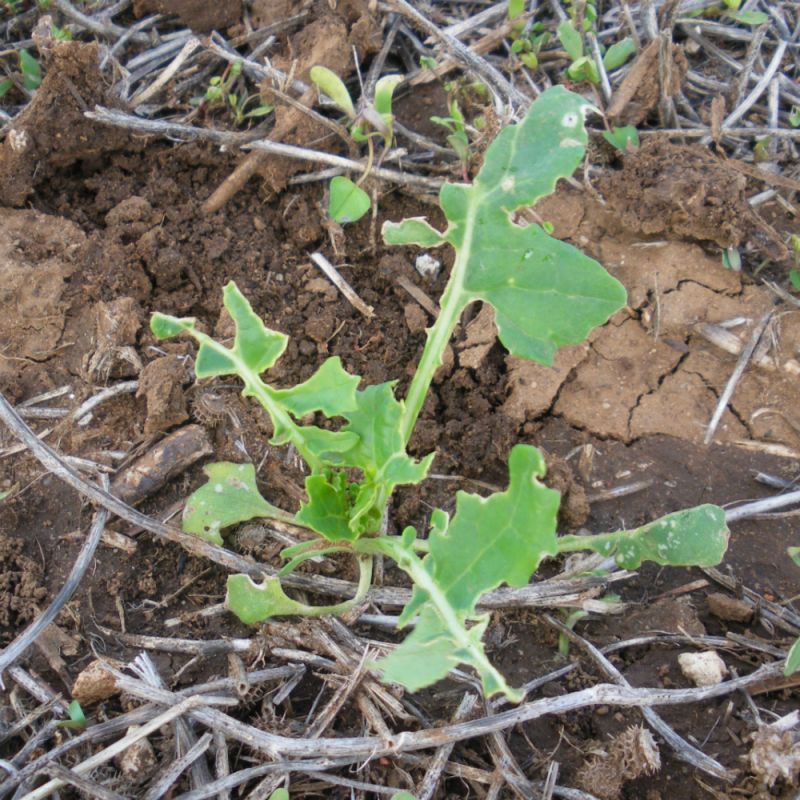
While all earwigs are beneficial because they predate on soft-bodied insects including moth larvae and pupae in broadacre crops, the European earwig can damage seedlings. A useful identification key can be found in the I Spy - Identification manual and education resource.
Millipede
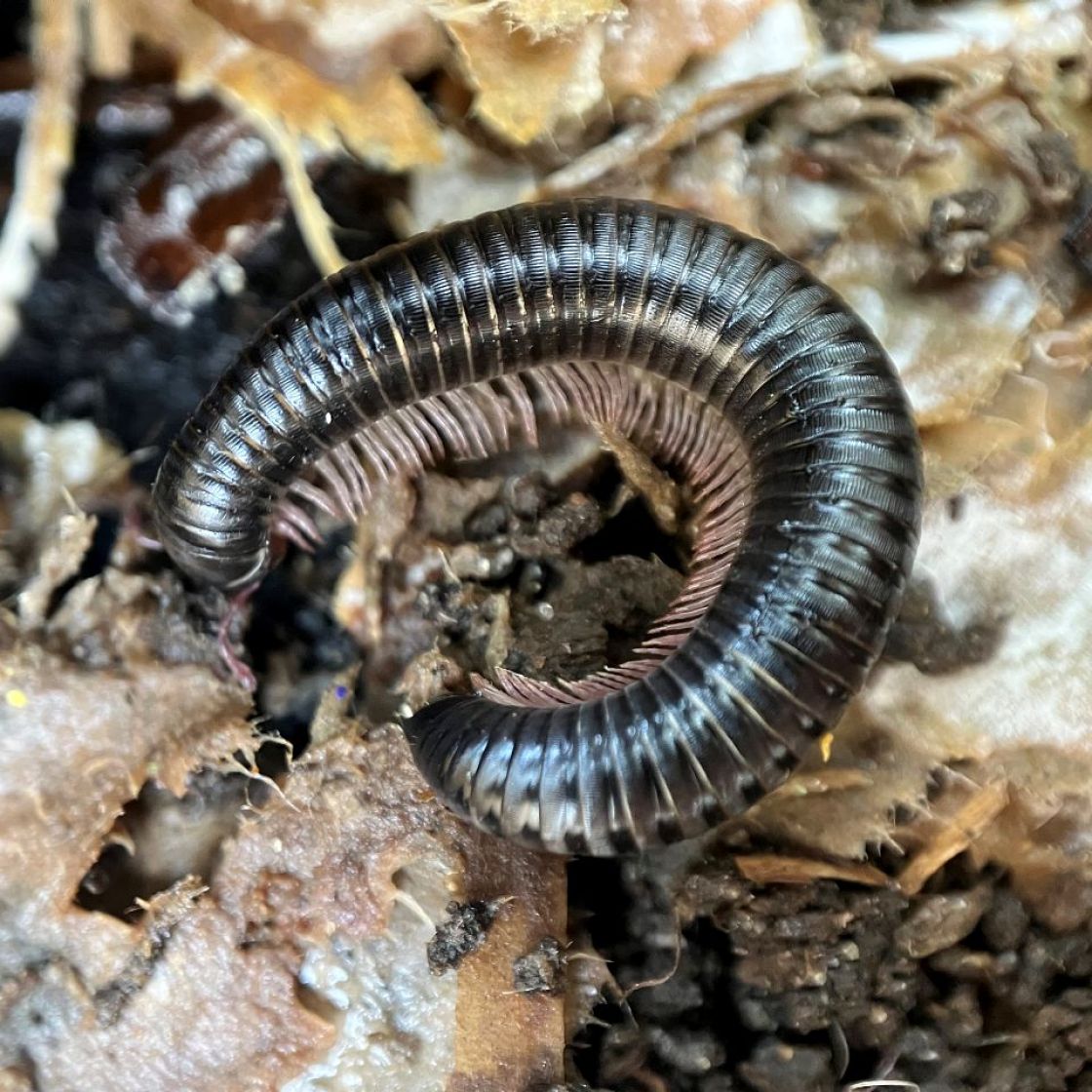
Millipedes feed largely on organic matter and often do not damage crops, even when in high numbers. Higher millipede abundance is usually associated with organic soil with higher stubble loads – see Slugs, earwigs, millipedes, and slaters – current management options.
In recent seasons they have been reported feeding on emerging canola, lupin and lucerne.
Black Portuguese millipedes (Ommatoiulus moreletii) have a smooth, cylindrical body. They are primarily detritus feeders, and they are hiding underground near stubble and weeds over summer. After the rains they will move to surface, and you will see millipedes moving in large numbers – even in your house.
Slaters
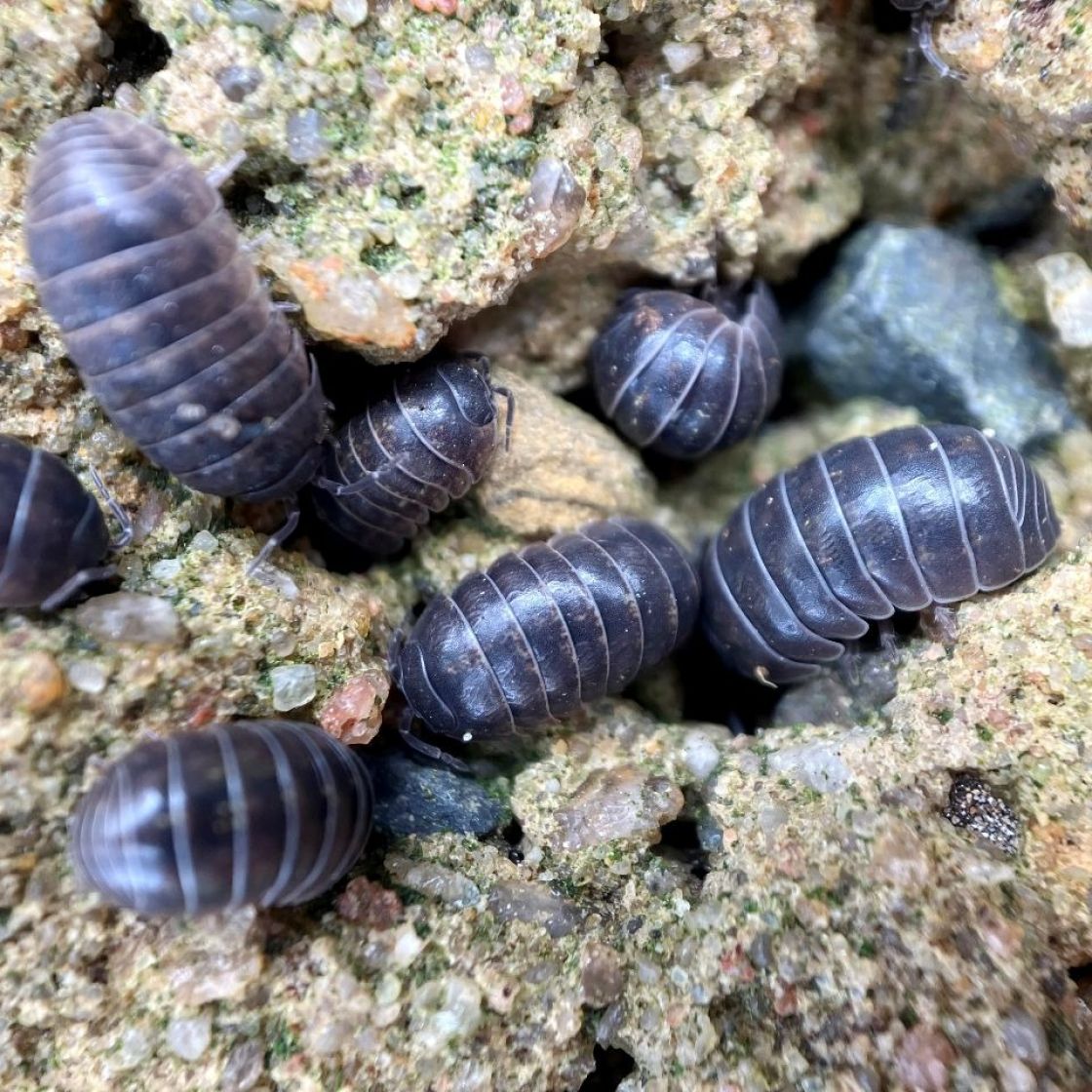
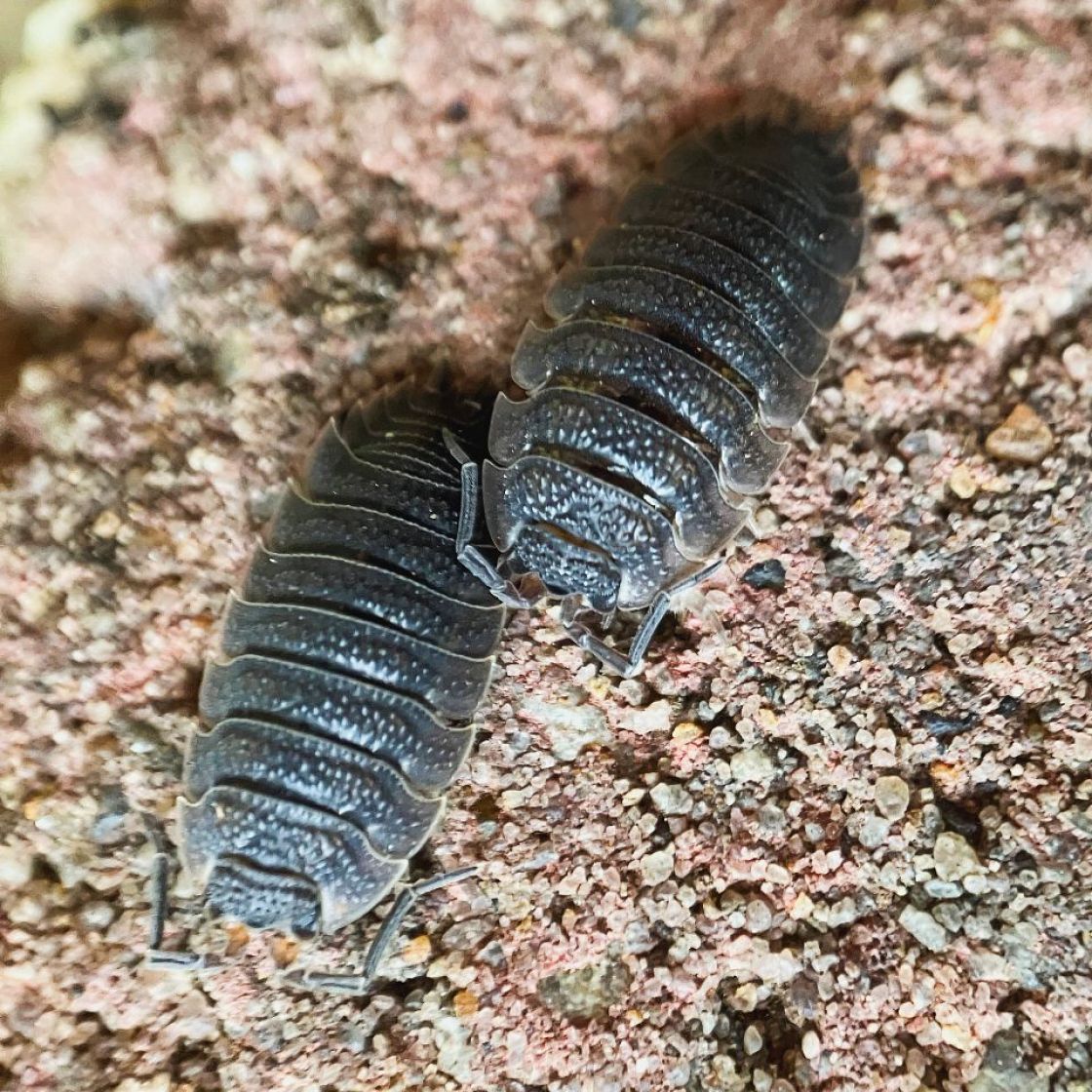
Slaters are land crustaceans that have oval-shaped bodies, often flattened. Most slaters are about 6 to 12 mm in length and dark grey in colour, but mottled colours are common. Their bodies have 14 segments, 7 pairs of legs and two pairs of antennae, though the second pair is small and hard to see – Invertebrate Knowledge Card: Slaters (PDF).
Several species of slaters including common rough woodlouse (Porcellio scaber), pill bug (Armadilidium vulgare) and flood bug (Australiodillo bifrons) are common in cropping areas across Australia. The pill bug rolls up into a ball when disturbed, but the rough woodlouse and the flood bug cannot.
The risk of slater damage is difficult to establish and several times they have been accused whereas night observation showed that earwigs were the real culprits.
Weevils and beetles
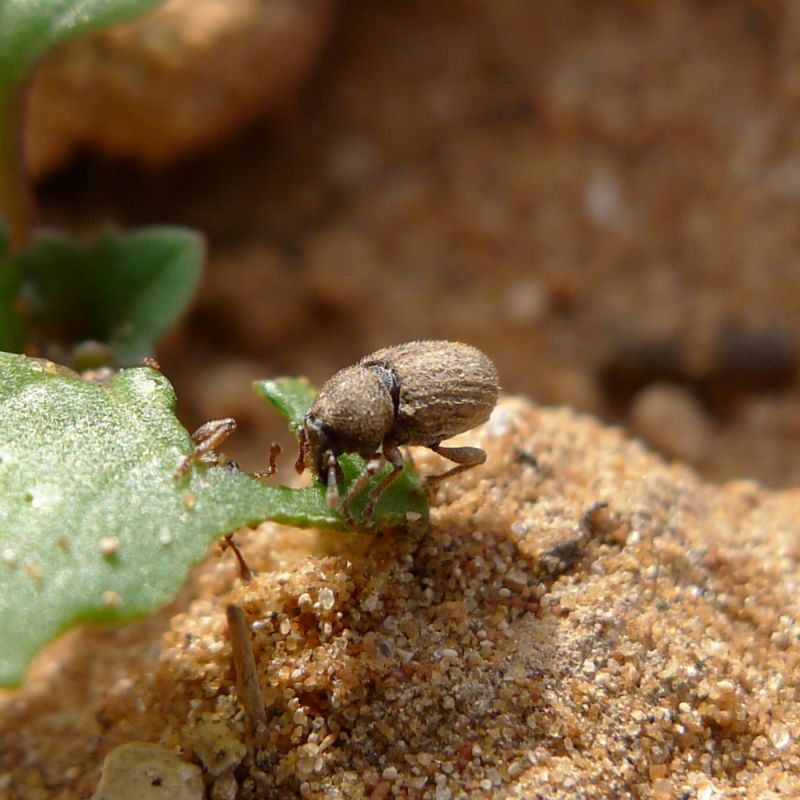
Adult Mandalotus weevils (Mandalotus spp.) are 3 to 5 mm long and emerge onto the soil surface in late autumn. They are often difficult to find, so search at night using a torch, or during the day in the top 1 cm of soil at the base of weeds or damaged seedlings. Adults lop stems, cotyledons or seedlings. In canola, check areas with a history of Mandalotus damage one week after emergence. See Mandalotus weevils in canola ( )
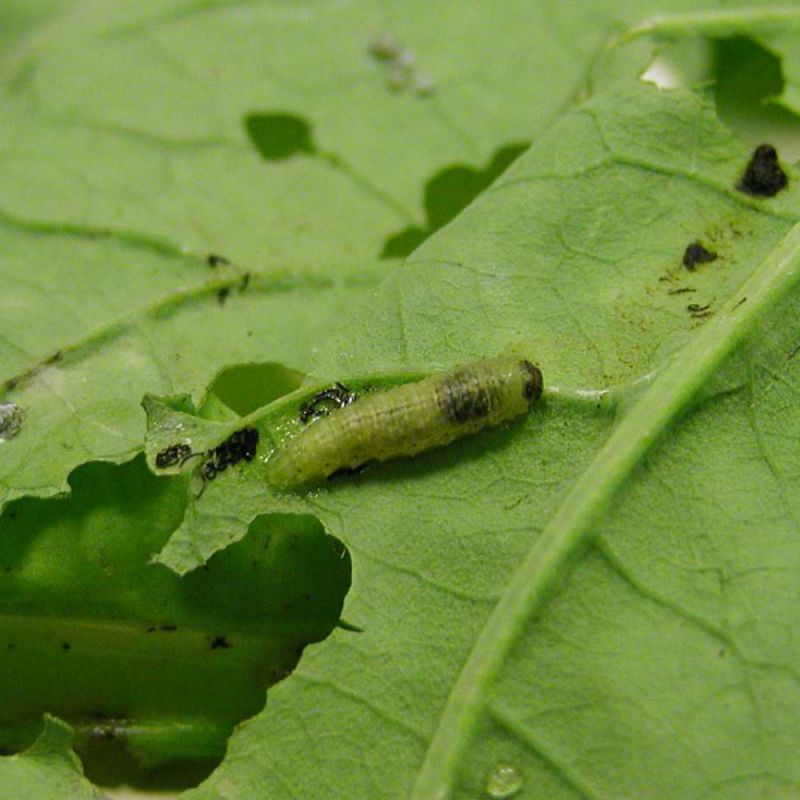
Adult vegetable weevil (Listroderes difficilis) are 8 mm long with grey-brown bodies, a prominent weevil snout and a distinctive pale-coloured V on their back. Larvae are legless, yellow to green in colour with an orange-brown head. Both feed on foliage at night in early winter. Check edges of emerging canola crops for damage or near areas with host weeds, particularly capeweed. Earlier SARDI work (SAGIT Project ‘Caught red handed’) showed that these weevils are often doing more damage than expected.
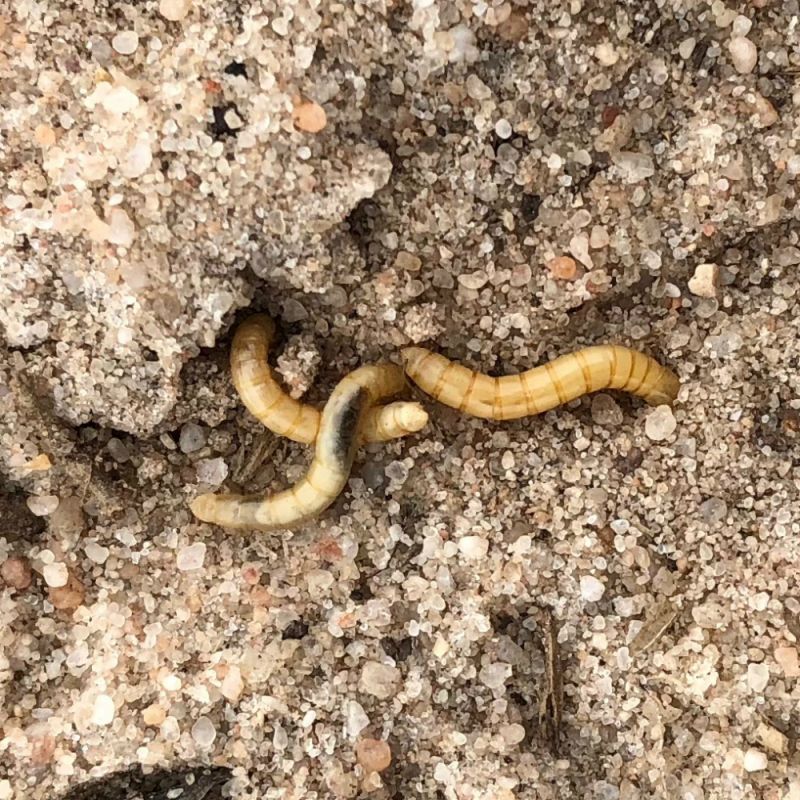
Southern false wireworm (vegetable beetle, Gonocephalum spp.) larvae are cream, yellow or tan with cylindrical elongate bodies. Adults are small, matte dark grey-black coloured. Larvae can feed on germinating seeds underground, while adults can feed on emerging canola at ground level.
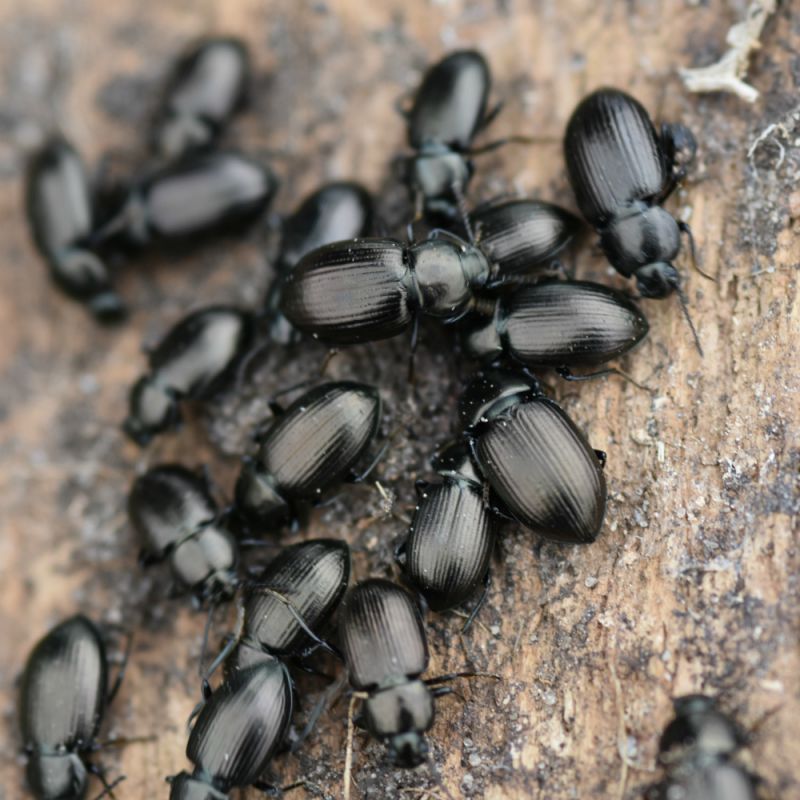
Bronzed field beetle (Adelium brevicorne) larvae are often active in autumn, and feed on canola at ground level, causing seedling losses. Adults are shiny black beetles up to 11 mm long with a slight bronzed colour. Larvae are up to 12 mm in length, dark and shiny with two upturned spines at the tail end. Removal of surface trash is an effective management strategy for this pest in problem areas.

Slugs
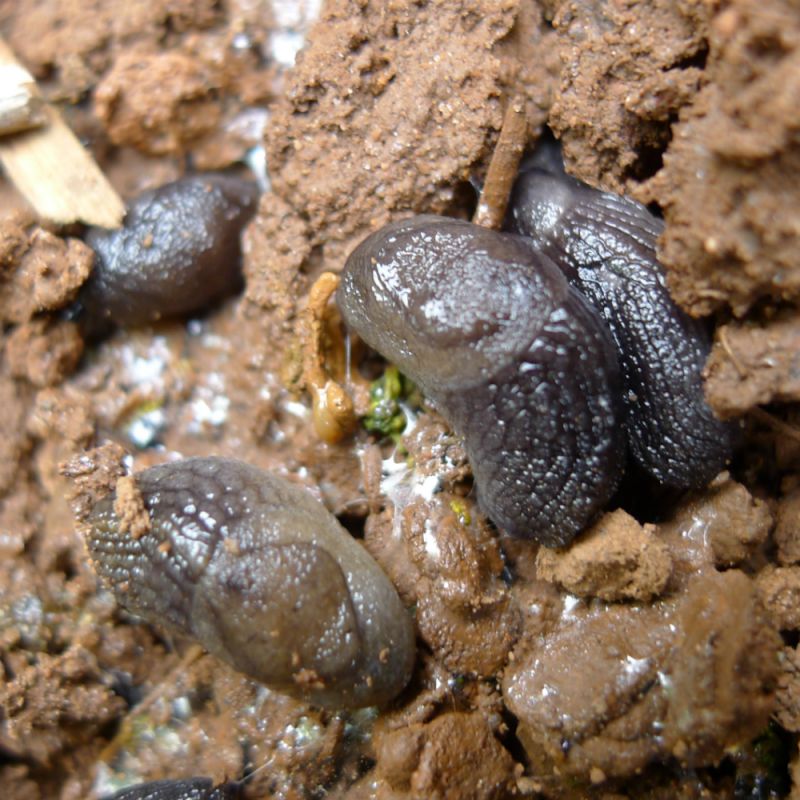
Slugs are establishment pests that can reduce yields by eating young seedlings. This year, with the dry conditions we’ve seen across South Australia, slug activity has been quieter than usual in most regions. Slugs need moisture to move around and feed, so the lack of rain has helped keep their numbers down on the surface. But it’s not a reason to relax just yet – even a small amount of rain or irrigation can quickly bring them back to an active state, especially in paddocks where slugs have been a problem before. Monitoring your historic problem spots for early population emergence and build up is still important to avoid surprises later on.
Mites and lucerne flea in dry start conditions
As the sowing season kicks off, many growers are understandably focused on getting crops up and away. But even in a dry year like this, it’s important not to overlook mites and lucerne flea. Both pests thrive in cool, moist conditions, so this season’s dry start has so far kept their activity relatively low. These pests are highly opportunistic, and even a small rain event or overnight dew can be enough to kick-start hatching and feeding.
Mites
Several types of mites can feed on emerging crops. Accurately identifying which mite species you're dealing with is essential, as their response to insecticides can differ, either due to natural tolerance or developed resistance. Use the GRDC Crop Mites Back Pocket Guide to help with identification.
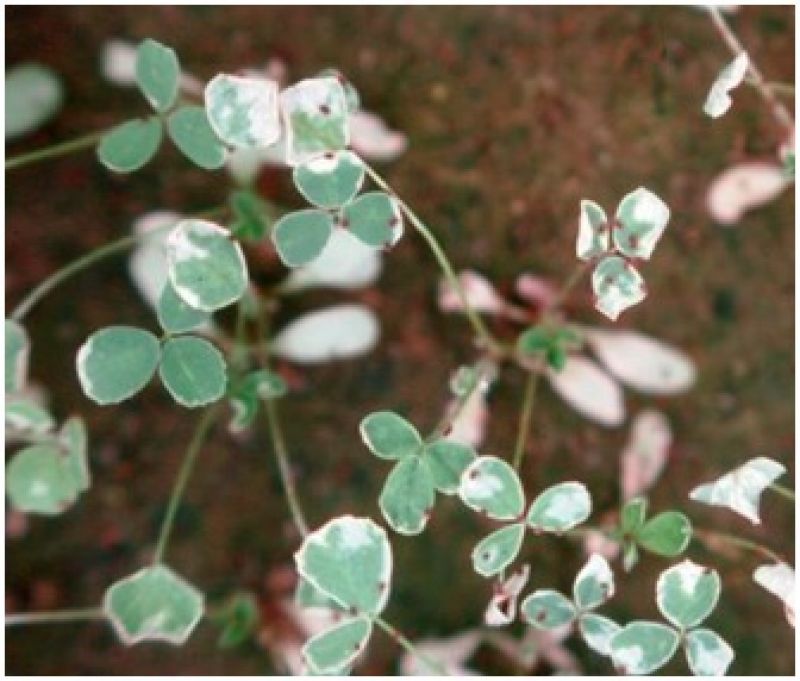
Redlegged earth mites (RLEM, Haylotydeus destructor) feed by biting leaf tissue and sucking out the contents, which leads to silvering or whitening of leaves. In large numbers, they can severely damage or kill crops in early stage particularly canola and pulses. Their eggs lie inactive over summer and hatch after autumn rains and a period of cooler temperatures (under 16°C for 10 days). So far this season, conditions have delayed this hatching window, but a well-timed break could bring them on quickly. Resistance to synthetic pyrethroid and organophosphate insecticides has been detected in RLEM around the upper Southeast and Fleurieu Peninsula regions. To help manage resistance, check:
Blue oat mites (Penthaleus spp.) are similar in appearance to RLEM but have a distinct orange-red patch on their back that is visible under a hand lens. Unlike RLEM, Blue oat mites typically feed singularly or in small groups, and their feeding damage tends to appear as isolated patches.
Bryobia mites (clover mite, Bryobia spp.) are characterised by their flattened bodies and noticeably long front legs – up to 1.5 times their body length. They thrive in warmer conditions and are often active earlier in autumn than other mite species.
With the warmer and drier conditions this year, you may see higher numbers of Bryobia mites than usual. These mites prefer broadleaf crops such as canola, lupins, vetch, lucerne, and clover but will also feed on cereals. In pastures, they tend to favour clovers and medics over grasses.
If control is needed, organophosphate insecticides are generally more effective than synthetic pyrethroids. However, their populations typically decline as colder winter conditions set in.
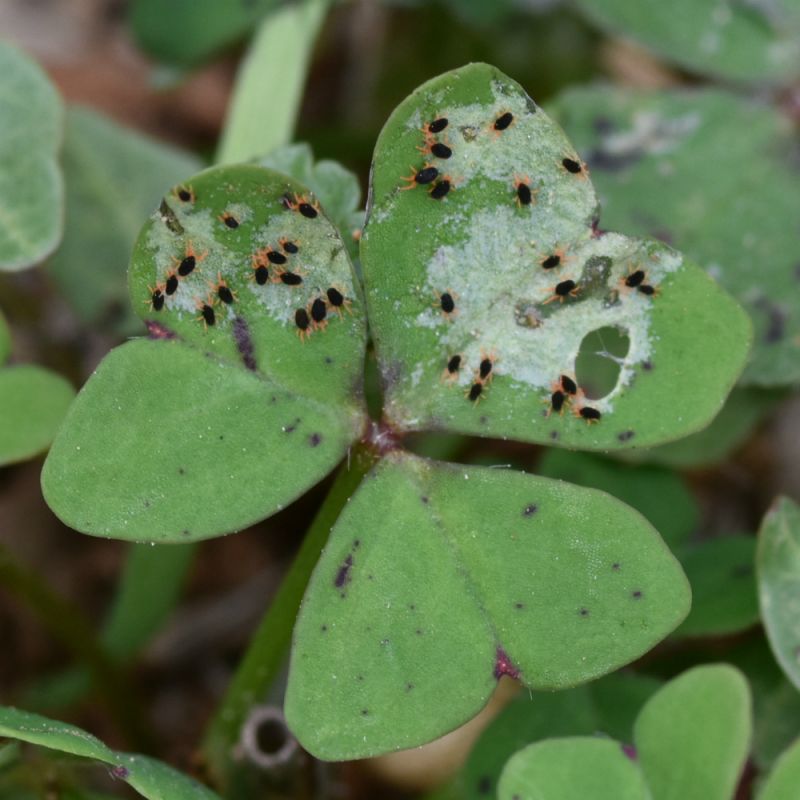
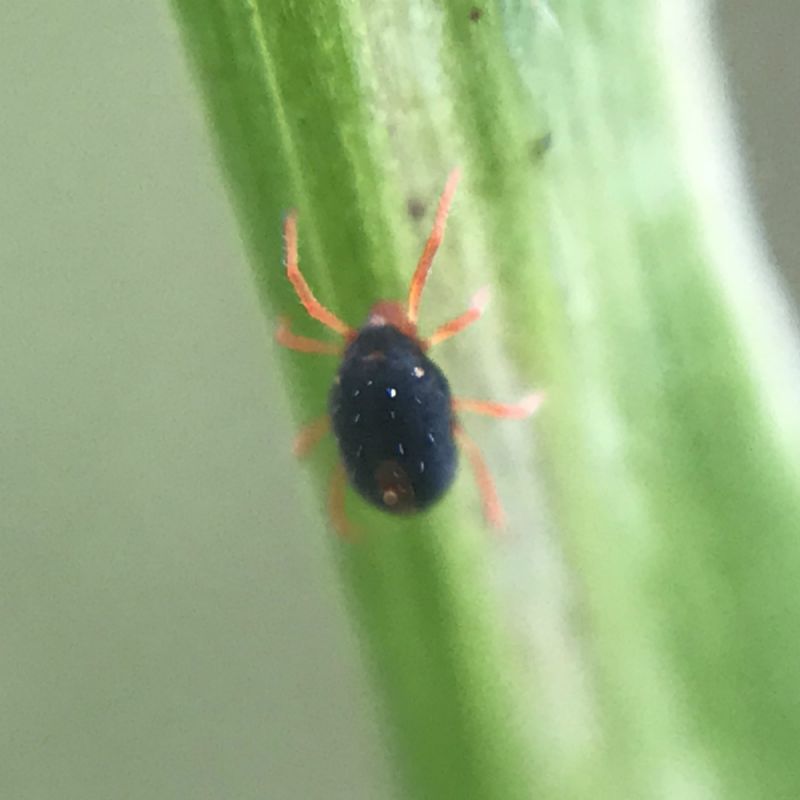
Balaustium mites (Balaustium medicagoense) are relatively large, slow-moving mites that are often spotted feeding on the tips of leaves, particularly in seedling crops and pastures. They are easily distinguished from other mites by their larger size, reddish-orange colour, and covering of fine hairs. These mites tend to be most active during warm, dry conditions and are often present in the early stages of crop emergence. As a result of dry conditions this year, you may notice more Balaustium mites than in cooler, wetter years. Their feeding rarely results in significant crop damage. However, in high numbers, they may cause leaf burning or reduced seedling vigour – particularly in canola or lucerne.
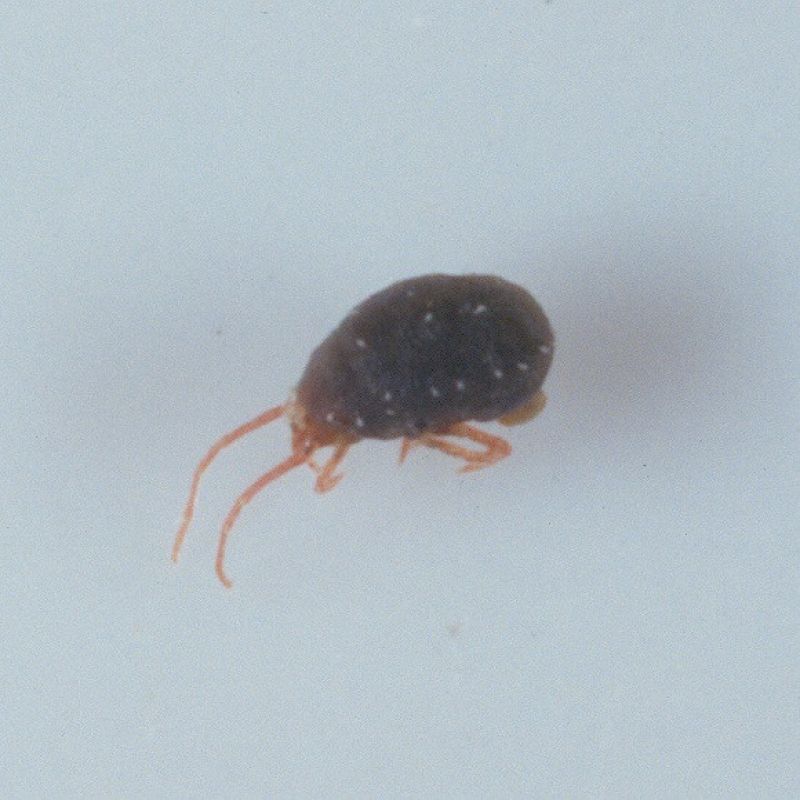
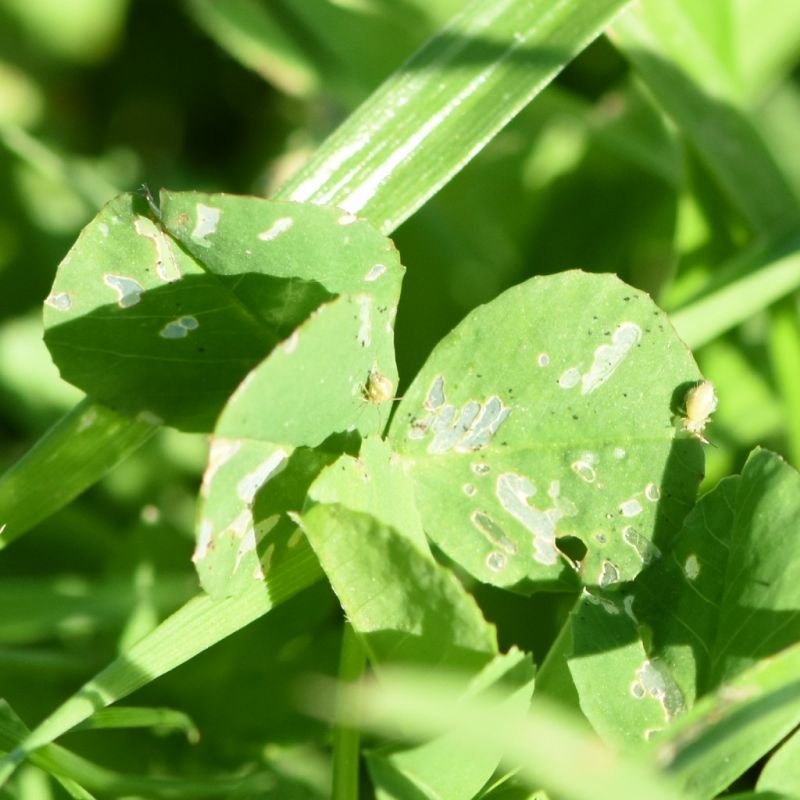
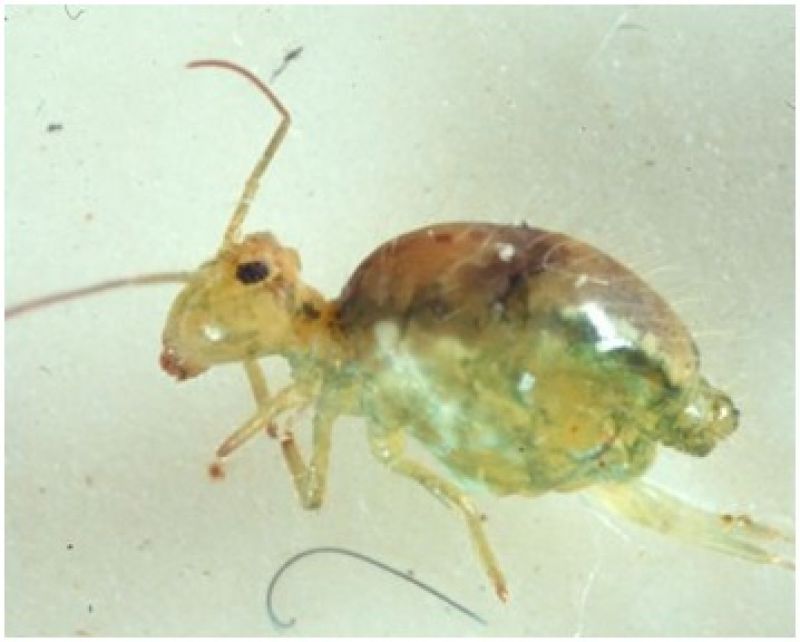
Lucerne flea (Sminthurus viridis) feeds on a range of crops and pastures including canola, field peas, lupins, faba beans, ryegrass, wheat and barley. They also feed on broadleaf weeds such as capeweed, shepherd's purse, chickweed, common sow thistle and wild radish. Their feeding causes a characteristic 'windowing' effect on leaves — where the green tissue is scraped away, leaving a transparent membrane.
They hatch following adequate rainfall and mild temperatures, with activity typically increasing in moist conditions. However, early sowing into dry soils may delay egg hatch and reduce early crop damage. Close monitoring is important during crop emergence, particularly in paddocks with a history of lucerne flea or high weed loads. If necessary, border sprays or early interventions may help reduce damage to establishing crops.

On the radar
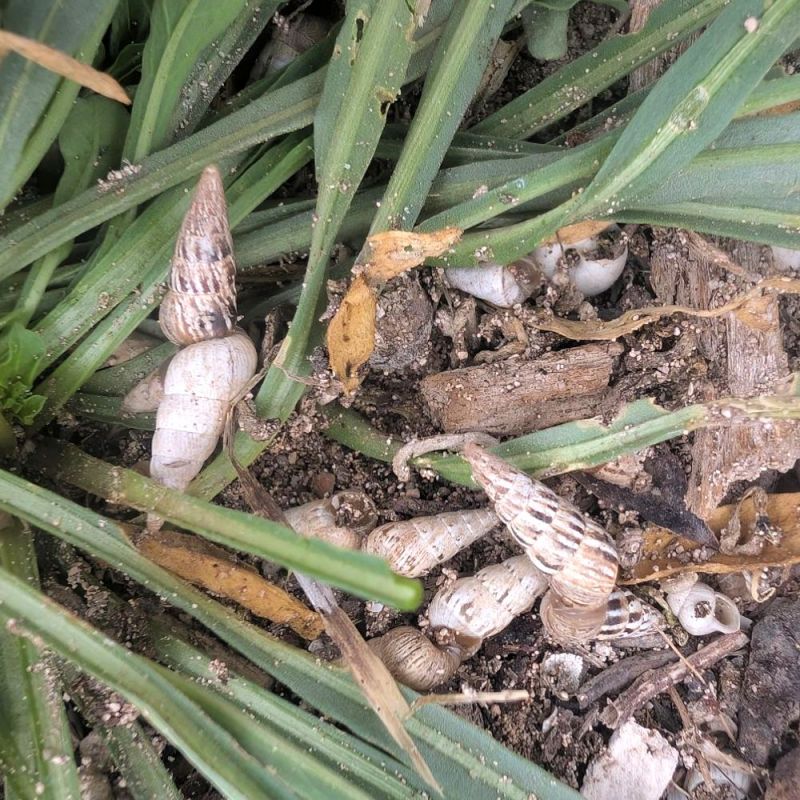
Conical snail activity observed on southern Yorke Peninsula
Reported by M. Nash, conical snails were observed active and mating on the southern Yorke Peninsula on 25 April, despite ongoing dry conditions. This field observation confirms recent increases in snail activity detected by real-time monitoring since 20 April, likely triggered by rising relative humidity. Snails are actively feeding on bait applied in paddocks, and lab assays indicate it is an effective time to bait. Timely control is recommended to reduce populations ahead of egg laying.
Ladybird beetles
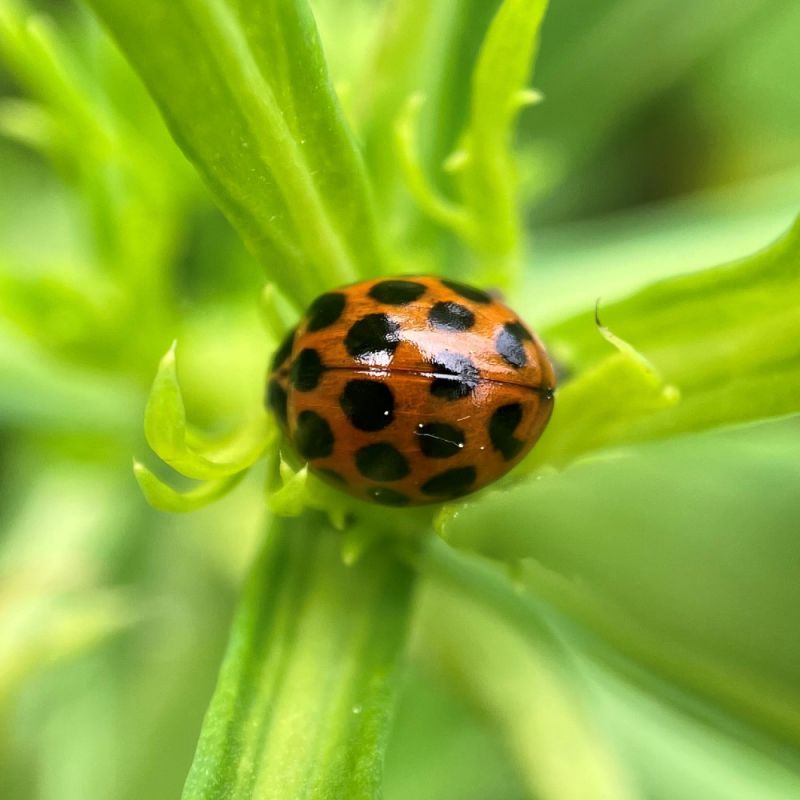
Adult ladybird beetles are one of the most easily recognisable natural enemies in cropping systems. Both adults and larvae are voracious predators and can have a considerable impact on pest populations, particularly aphids. They will consume more aphids as temperatures increase and populations build up.
This year’s dry conditions have contributed to a noticeable rise in ladybird numbers in the Mount Gambier region. Their presence is a positive sign for natural pest suppression early in the season. Read more at SA's drought causes huge ladybird swarms around Mount Gambier.
Report to PestFacts
The PestFacts SA team always wants to know what invertebrates you find in your crops and pastures, whether it is a pest, beneficial or unknown – even the usual pests.
Please send your reports or identification requests via the PestFacts map.
Alternatively, please contact:
Maryam Ehsangar
Phone: 0448 010 339
Email: maryam.ehsangar@sa.gov.au
Maarten van Helden:
Phone: 0481 544 429
Email: maarten.vanhelden@sa.gov.au